

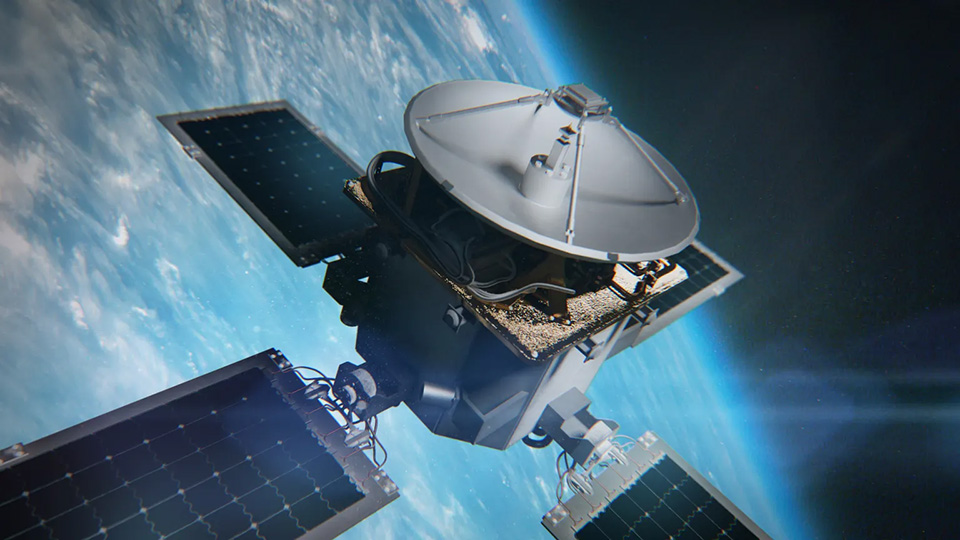
NASA has successfully concluded the primary technology demonstration for its Polylingual Experimental Terminal, fundamentally changing how spacecraft handle in-orbit data transfers.
A Shift Toward Multi-Network Roaming
Historically, space missions have been locked into a single communication network, relying primarily on dedicated government infrastructure such as the Tracking and Data Relay Satellite system. The recent tests, which utilized the Ka-band spectrum aboard a York Space Systems spacecraft, proved that a single terminal can seamlessly transition between government relays and commercial networks operated by providers like Viasat and SES.
This capability allows satellites to roam across different orbital infrastructures much like a cellular phone roams across terrestrial towers, ensuring a continuous and resilient flow of data even if one pathway becomes unavailable.
Enterprise Orchestration and Defense Synergies
To manage this complex routing, NASA is deploying Spacetime software developed by Aalyria Technologies, a platform designed to orchestrate connectivity across diverse operators dynamically. This enterprise approach provides a shared framework for planning and delivering communications support across multiple missions.
This development strongly mirrors the Defense Space Proliferation trend detailed in Lens Doc_4, where the military is actively integrating commercial capabilities into the Proliferated Warfighter Space Architecture. The interoperability achieved through the Polylingual Experimental Terminal directly supports the concept of an orbital hybrid mesh network, turning space from a mere support domain into a deeply integrated and active operational layer.
The ongoing collaboration with commercial software providers further aligns with initiatives from the Defense Innovation Unit, highlighting a unified government push toward relying on commercial mass-production and interoperability for future space resilience.
