

On Wednesday, July 22, 2026, defense contractor L3Harris Technologies announced the completion and shipment of four modified RS-25 main engines to NASA’s Michoud Assembly Facility in New Orleans.
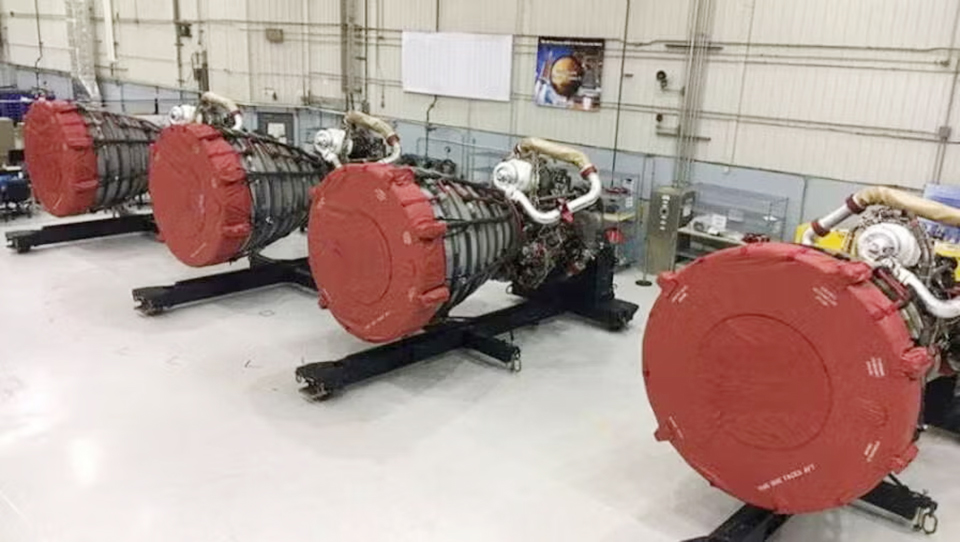
The liquid-fueled engines will be integrated directly into the Space Launch System (SLS) core stage designated for Artemis III, NASA’s planned crewed lunar landing mission.
Program Context and Legacy Flight Hardware
The Artemis III engine delivery marks the final deployment of upgraded Space Shuttle main engine (SSME) hardware within the initial phase of the Artemis propulsion architecture. While the first four SLS missions rely on repurposed shuttle engines retrofitted with modern engine controllers, L3Harris is concurrently transitioning production toward newly manufactured RS-25 engines built using additive manufacturing.
The delivery follows a series of milestone achievements across the company’s propulsion division, including the assembly of newly designed RS-25 hardware for Artemis V, extensive hot-fire acceptance testing at NASA’s Stennis Space Center, and broader advancements across nuclear and electric propulsion portfolios.
Technical Engine Specifications and Modifications
The four delivered RS-25 engines incorporate upgraded mechanical components designed to meet the higher structural and thermal performance profiles required during SLS core stage ascent:
- Total Vacuum Thrust: Produces over 2 million pounds of combined thrust across all four core stage engines during the eight-minute ascent to orbit.
- Propellant Mix: Operates on cryogenic liquid hydrogen (LH2) and liquid oxygen (LOX).
- Engine Control Unit: Features modernized, radiation-hardened digital engine control units (ECU) built to handle higher processing speeds and enhanced diagnostic telemetry.
- Nozzle Insulation: Integrates upgraded thermal protection insulation around the powerhead and nozzle assemblies to withstand high acoustic and thermal environments.
Core Stage Integration Timeline
With arrival at the Michoud Assembly Facility, Boeing and NASA technicians will begin mechanical installation and alignment of the four engines onto the engine section of the 212-foot-tall SLS core stage. Following structural integration and final checkout of the engine gimbaling systems, the fully assembled core stage will be prepped for barge transport to Kennedy Space Center in Florida for stack integration.
