

On October 6, 2026, U.S. Secretary of Transportation Sean Duffy announced five proposed rule changes to revise the Federal Aviation Administration’s (FAA) Part 450 commercial launch and reentry licensing framework.
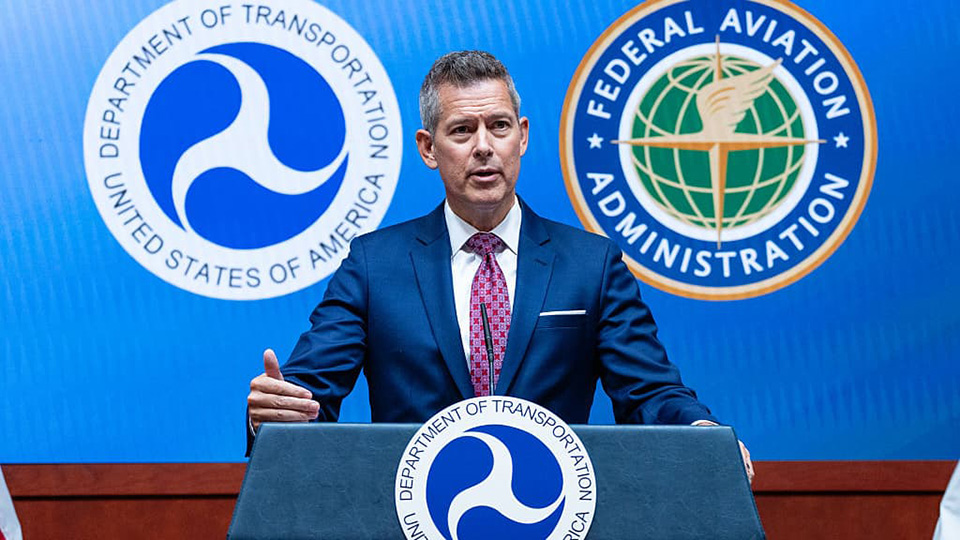
The Notice of Proposed Rulemaking (NPRM) actions aim to eliminate administrative bottlenecks and streamline regulatory approvals, with public comments open through November 4, 2026.
Proposed Regulatory Modifications
The five proposed rule changes introduce technical and administrative modifications to the FAA’s licensing process:
- Paperwork Consolidation: Combines three required flight-safety analysis submissions into a single filing while eliminating duplicative risk assessments.
- Physical Containment Hazard Sizing: Allows operators using physical containment systems to size flight-hazard areas based on a vehicle’s maximum kinetic energy rather than executing full probabilistic risk analyses.
- Lightning Mitigation Exception: Exempts descending spacecraft from extra lightning hazard mitigation requirements, provided the vehicle cannot traverse outside areas already cleared of the public.
- Digital Modernization: Permits commercial launch operators to submit license applications electronically through a modernized digital portal.
- Blast Effect Clarifications: Clarifies that far-field blast overpressure analyses must evaluate existing physical structures and populated locations rather than hypothetical sites.
Regulatory Context and Interagency Lineage
The rulemaking package marks the initial regulatory output from the USDOT Space Policy Administration, Coordination, and Execution (SPACE) Task Force, an intradepartmental body formed on September 9, 2026, to streamline commercial space oversight. The proposals represent the Department of Transportation’s first formal response to the August 2026 White House executive policy directive instructing federal agencies to modernize FAA licensing workflows and expand national launch capacity.
Since the FAA transitioned to the Part 450 regulations five years ago, the framework has produced 14 licenses. Commercial launch operators have cited administrative complexity, repetitive safety reviews, and extended processing timelines as primary drivers of launch manifest delays.
Comment Timeline and Policy Outlook
Following the conclusion of the public comment period on November 4, 2026, the FAA will evaluate industry feedback before finalizing the rule modifications. The regulatory reform initiative is structured to support broader federal objectives aimed at accommodating higher launch and reentry cadences across commercial spaceports nationwide.
