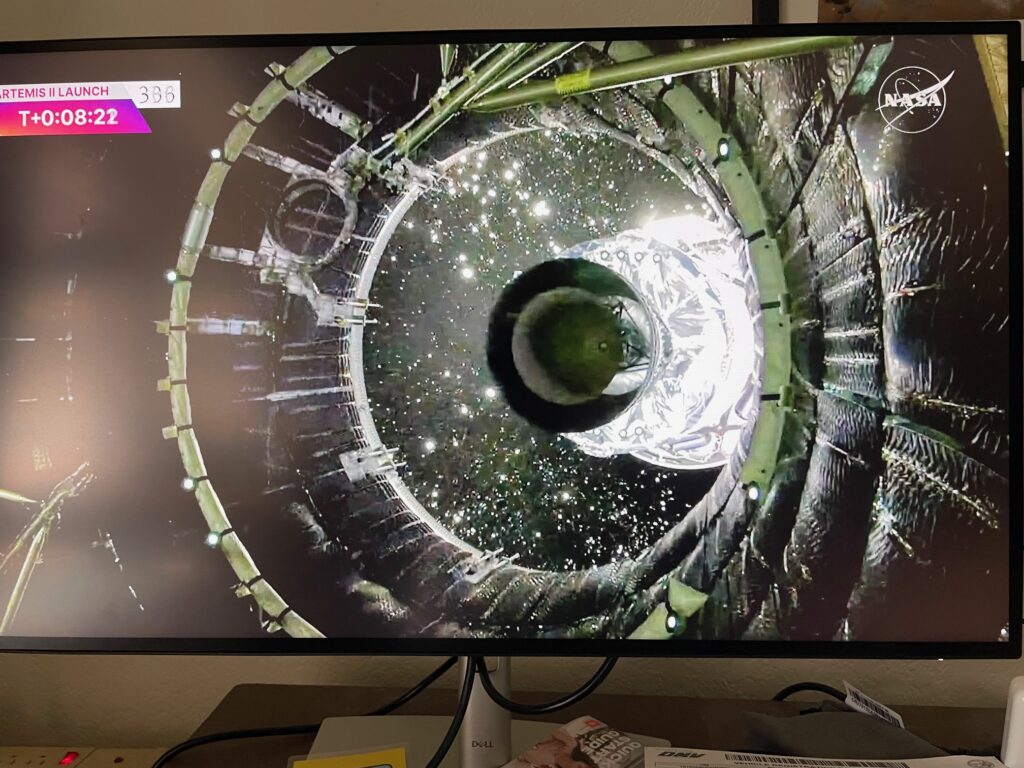
At 6:35 p.m. EDT, April 1, NASA’s Space Launch System (SLS) rocket successfully roared to life at Launch Complex 39B, sending the Artemis II mission on a historic journey.
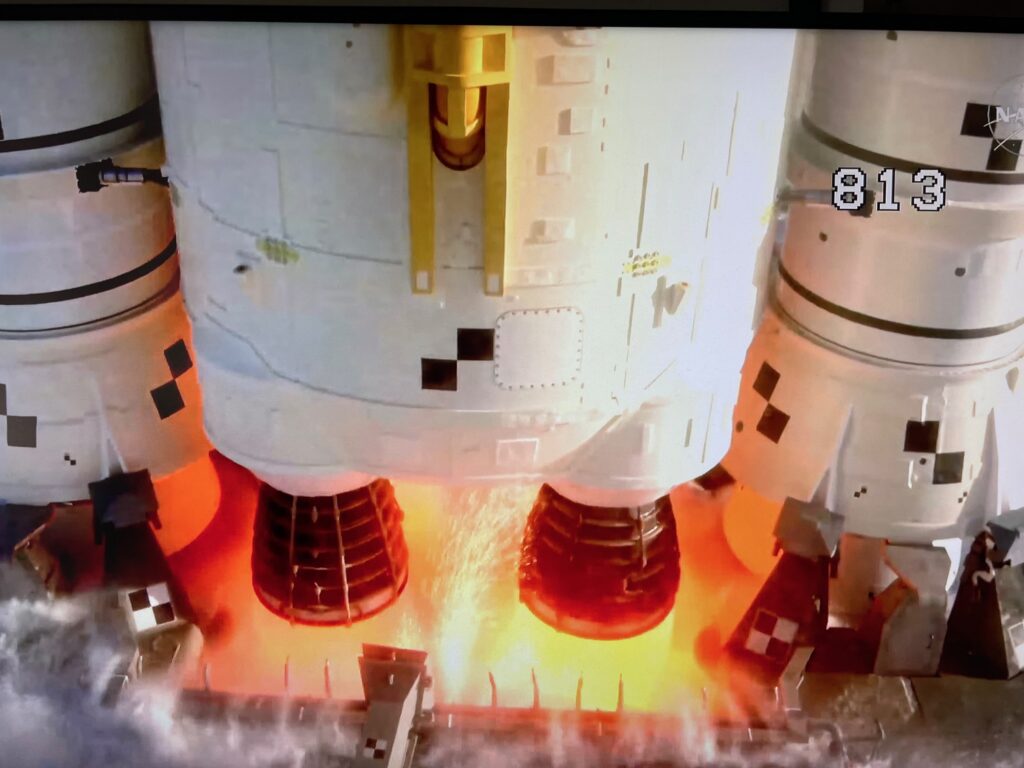
This marks the first time humans have departed Earth’s orbit for the lunar vicinity since the Apollo 17 mission in 1972.
Despite minor technical hurdles earlier in the day—including an instrumentation issue with a battery and a brief delay from the Eastern Range’s Flight Termination System—the countdown proceeded to a flawless ignition. The four-member crew is now safely in Earth orbit, beginning a 10-day mission that will take them approximately 4,600 miles beyond the far side of the Moon.
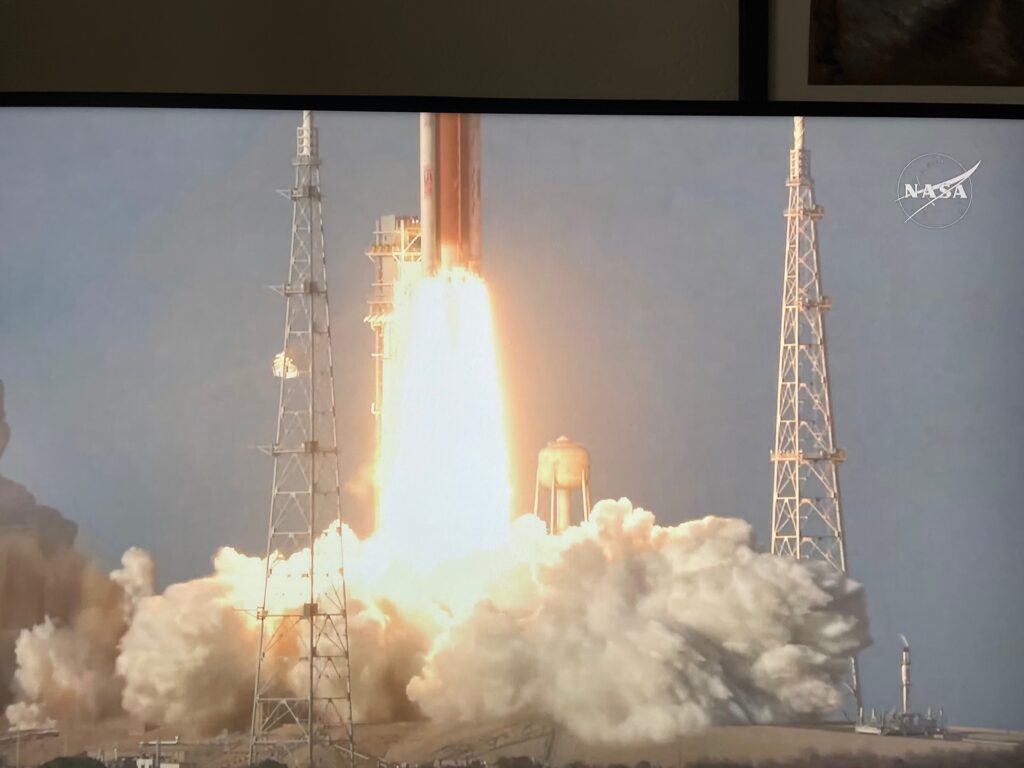
Mission Milestones: The First 24 Hours
The launch sequence followed a precise series of milestones to ensure the crew’s safety and the spacecraft’s integrity:
- T+02:09: Solid Rocket Booster separation occurred as planned, with the twin boosters falling back toward the Atlantic Ocean for recovery.
- T+08:02: Main engine cutoff (MECO) and core stage separation were confirmed, leaving the Orion spacecraft and its upper stage in a preliminary orbit.
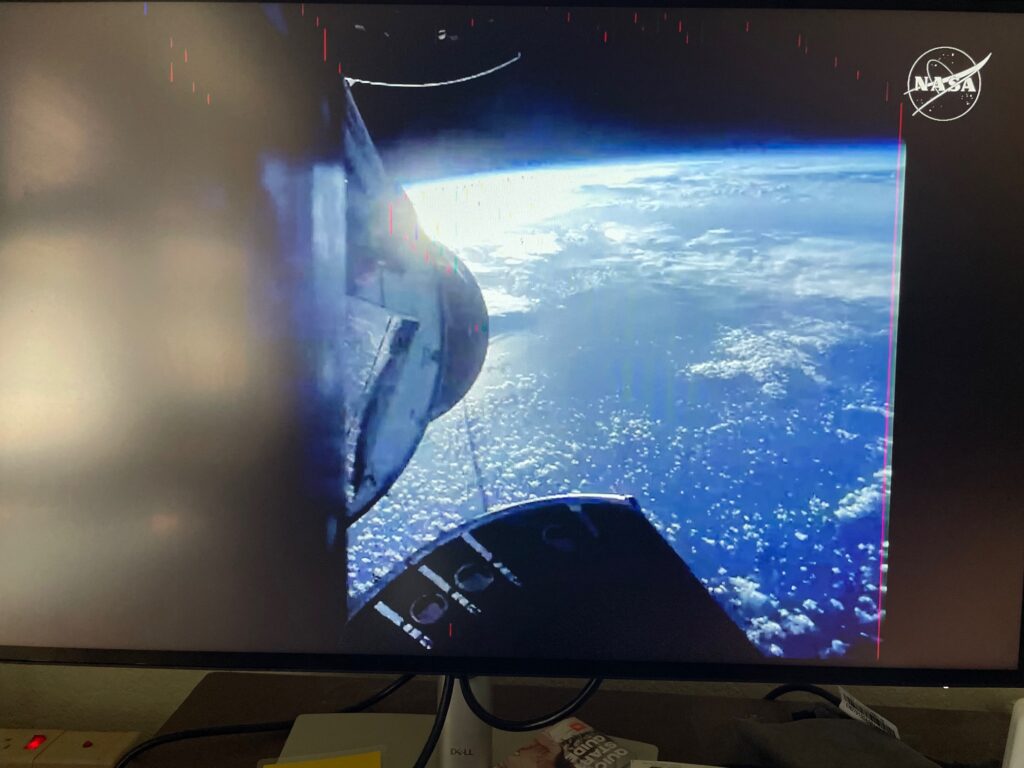
- T+40:00: The Orion spacecraft, named Integrity, successfully deployed its four solar array wings, which are now tracking the Sun to generate power.
- Current Phase: The crew is currently in a “High Earth Orbit” (HEO) for the first 24 hours. This phase is critical for testing the life-support systems and performing a proximity operations demonstration with the spent upper stage before the final burn toward the Moon.
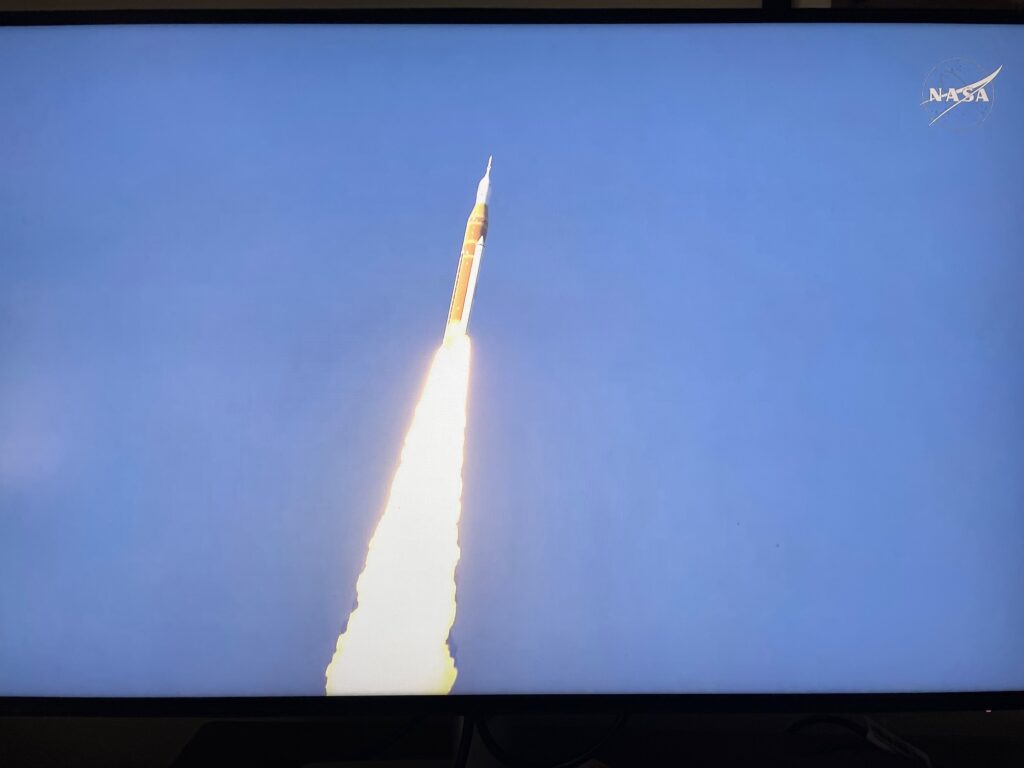
Mission Objectives and Trajectory
Unlike the Apollo missions, Artemis II will utilize a hybrid free-return trajectory. The Orion spacecraft will use the Earth’s gravity to slingshot around the far side of the Moon, reaching a distance of approximately 7,400 miles beyond the lunar surface. This path ensures that if the service module’s engine fails to fire for the return trip, the spacecraft’s momentum will naturally pull it back toward Earth for a splashdown in the Pacific Ocean.
During the flyby, the crew will perform manual handling maneuvers of the Orion capsule to test its responsiveness, which is essential for future docking operations with the Starship Human Landing System and the lunar Gateway station. The mission is expected to conclude with a high-speed atmospheric reentry at 25,000 miles per hour on April 11, 2026.