

On July 30, 2026, details emerged regarding the U.S. Space Force’s proposed fiscal year 2027 budget request, which seeks to double the service branch’s funding to $71 billion.
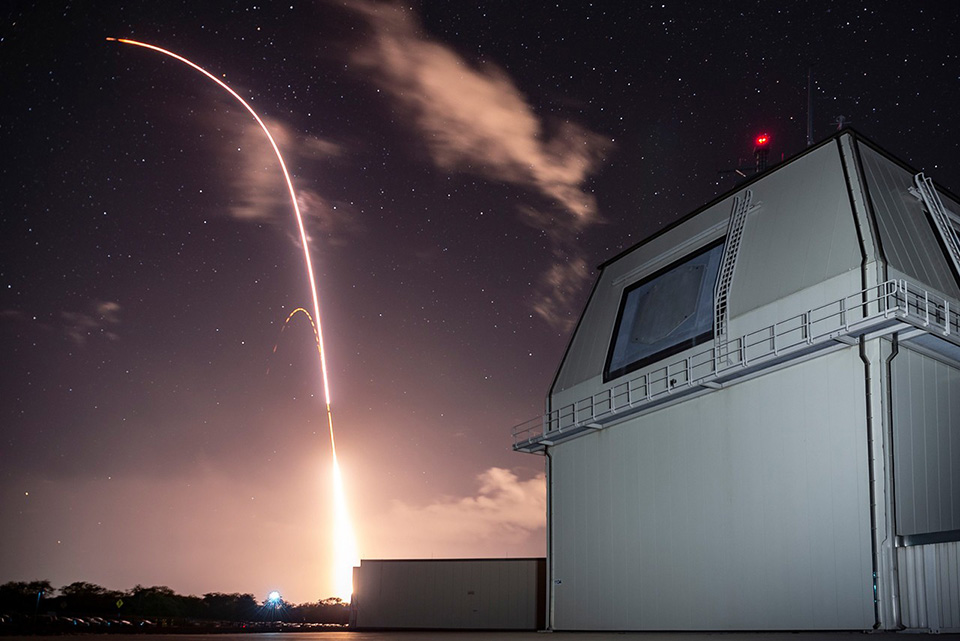
The requested capital expansion marks a transition for the six-year-old military service, shifting its core mission from passive orbital surveillance and launch support to active threat mitigation, proliferated missile tracking, and tactical warfighting integration.
The budgetary growth comes as military space operators transition from theoretical planning to managing active theater support roles in contested operational environments.
Combat Integration in Recent Global Operations
Space Force operational doctrine has evolved through real-world combat support missions across multiple combatant commands. As highlighted by outgoing Chief of Space Operations Gen. B. Chance Saltzman, space units provided essential target timing, orbital positioning, and electronic protection during high-visibility combat actions:
- Operation Midnight Hammer: During precision strikes against Iranian nuclear infrastructure in June 2025, Guardians executed real-time satellite constellation alignments to deliver GPS accuracy and electronic warfare protection for seven Air Force B-2 Spirit stealth bombers.
- Latin American Operations: Space Force assets provided continuous tactical satellite communications (SATCOM), localized signal jammer suppression, and real-time ISR tracking during Operation Absolute Resolve in Venezuela.
These engagements verified that modern strike operations depend on continuous space superiority to maintain command-and-control links in contested electromagnetic environments.
U.S. SPACE FORCE BUDGET EVOLUTION (FY2024–FY2027 REQUEST)
┌─────────────────────────────────────────────────────────────────┐
│ FY2024 Actual: $29.0 Billion                                    │
│ FY2025 Actual: $30.2 Billion                                    │
│ FY2026 Enacted: $33.5 Billion                                   │
│ FY2027 Request: $71.0 Billion  ████████████████████████████████ │
└─────────────────────────────────────────────────────────────────┘
Proliferated Architectures and Golden Dome Allocation
As outlined in SatNews coverage from April 5, 2026, the proposed $71 billion budget accelerates the pivot away from legacy, high-cost “battlestar” satellites toward resilient mesh networks in Low Earth Orbit (LEO) and Medium Earth Orbit (MEO).
A major funding driver is the Space Development Agency’s (SDA) Proliferated Warfighter Space Architecture (PWSA) and the Department of Defense’s Golden Dome initiative. Following the Space Systems Command’s April 25, 2026, award of $3.2 billion in contract framework agreements for Space-Based Interceptor (SBI) development, the FY2027 request allocates dedicated funding to scale early-warning missile tracking sensors and space-to-space defense interceptors designed to counter hypersonic glide vehicles.
FY2027 ALLOCATION BREAKDOWN ($71B PROPOSAL)
┌──────────────────────────────┬──────────────────────────────┬──────────────────────────┐
│ Pillar                       │ Major Focus                  │ Budget Allocation        │
├──────────────────────────────┼──────────────────────────────┼──────────────────────────┤
│ PWSA & Tracking Tranches     │ LEO/MEO Missile Tracking     │ $18.5 Billion            │
│ Golden Dome Initiative       │ Space-Based Interceptors     │ $12.2 Billion            │
│ SATCOM & Cyber Protection    │ Jam-Resistant Tactical Data  │ $14.8 Billion            │
│ Launch & Ground Operations   │ Rapid Responsive Launch      │ $11.5 Billion            │
│ R&D / Next-Gen Tech          │ AI Threat Detection / SWaP   │ $14.0 Billion            │
└──────────────────────────────┴──────────────────────────────┴──────────────────────────┘
Military Modernization and Commercial Integration
The budget request aligns with the operational roadmap established in SatNews’s April 15, 2026, report on the 2040 Blueprint, which stresses rapid commercial procurement cycles over multi-decade acquisition timelines. By contracting for mass-produced, standardized satellite buses, the service intends to reduce time-to-orbit for mission payloads from seven years to under 36 months.
“If you think that you simply turn GPS on and navigate like you’re going to the store, that’s not how Midnight Hammer goes,” stated General B. Chance Saltzman, Chief of Space Operations. “We’ve got to do this in a specific time… If you know all that and integrate, then you can backward-process it to make sure that the constellation is perfectly aligned to deliver accuracy. That synchronization is deliberate.”
Strategic Defense Outlook
As Congress evaluates the FY2027 defense authorization package, the Space Force’s funding request reflects an accelerating orbital arms race involving anti-satellite (ASAT) missiles, co-orbital jammers, and directed-energy counter-space weapons deployed by strategic competitors. Protecting the global space economy—now valued at $1.8 trillion—will require sustained capital investment to ensure orbital infrastructure remains operational during geopolitical crises.
