
CAPE CANAVERAL, Fla. — Blue Origin is preparing to resume flight operations of its New Glenn rocket as early as November 2026, significantly accelerating its recovery timeline following ground infrastructure repairs at Cape Canaveral Space Force Station.
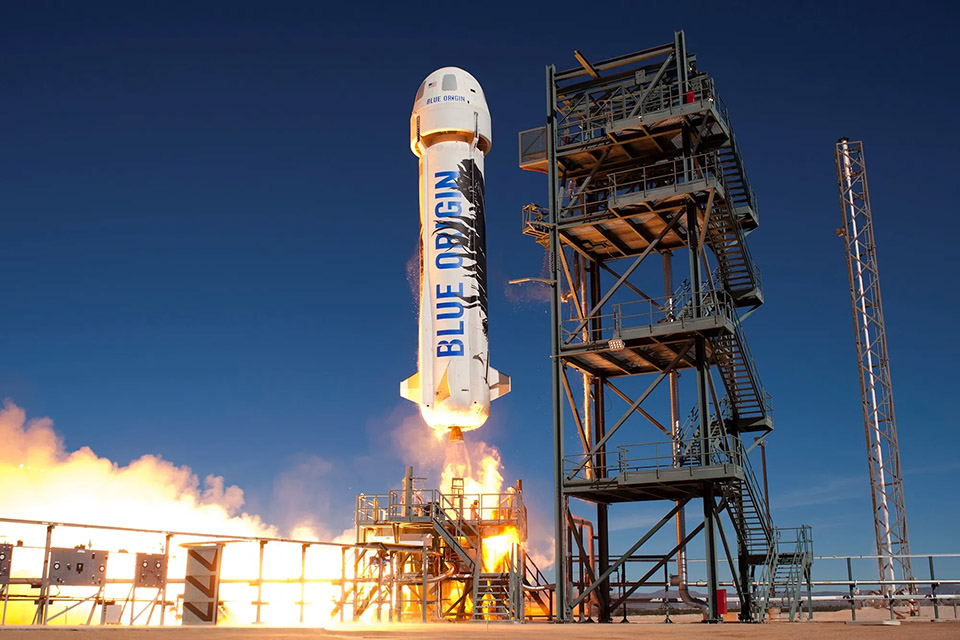
The updated target, detailed in an Oct. 28 report by Aviation Week, indicates an operational return weeks ahead of the late December 2026 or January 2027 window previously anticipated across the aerospace sector.
Recovery from May Engine Failure
The accelerated timeline follows intensive repair efforts stemming from a major ground-testing setback earlier this year. In May, a New Glenn vehicle exploded during a static fire test while anchored for a preflight test run. The catastrophic failure destroyed the rocket and inflicted severe damage across the launch pad and associated ground support equipment. The company, backed by founder Jeff Bezos, subsequently isolated the root cause to a faulty oxygen valve inside one of the booster’s BE-4 engines.
Rebuilding the Launch Complex 36 Infrastructure
Progress toward flight clearance reached a major milestone this week. According to the Oct. 28 Aviation Week report, Blue Origin has finished the full reconstruction of its 430-foot Vehicle Access Tower at Launch Complex 36 (LC-36). Rebuilding the tower and restoring critical ground connections provides the physical pathway necessary to conduct final integrated checkouts. While Blue Origin continues to officially target an operational return before the close of 2026, an exact launch date remains unconfirmed.
Upcoming Milestones for Commercial and Lunar Manifests
Resuming New Glenn flights ahead of schedule offers vital relief to anchor customers waiting on heavy-lift orbital capacity. Commercial direct-to-device constellation operator AST SpaceMobile has several New Glenn launches under contract to deploy its next-generation satellites. The National Aeronautics and Space Administration (NASA) is also tracking New Glenn’s availability to support upcoming orbital milestones tied to the NASA Artemis lunar program. Achieving a November launch would restore operational momentum at LC-36 and clear backlogged payloads ahead of 2027.