

Blue Origin experienced a massive failure last night when its heavy-lift New Glenn rocket exploded during a routine engine test in Cape Canaveral, Florida.
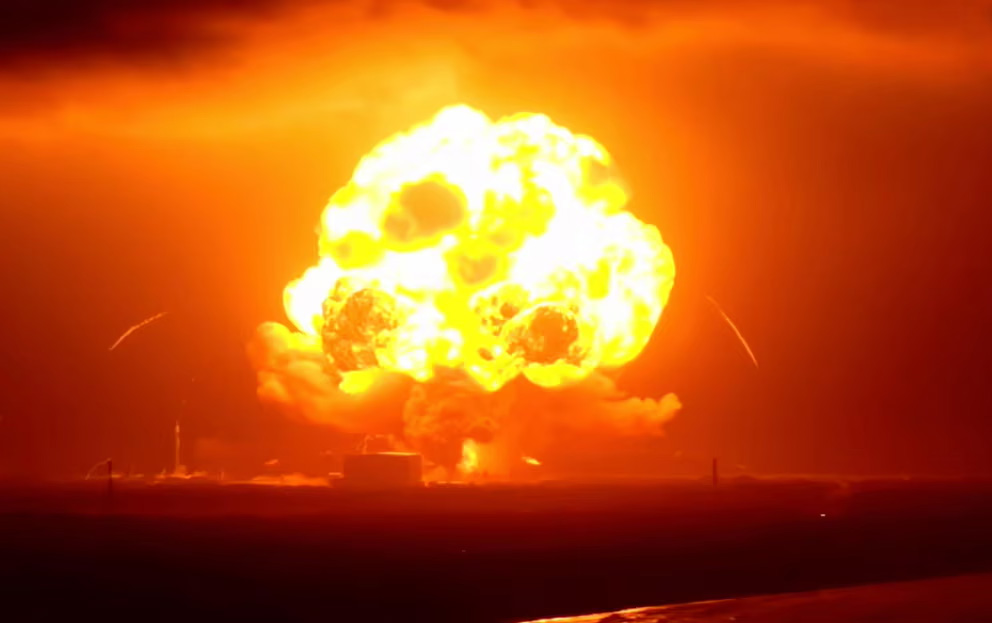
Video footage of the incident showed a massive fireball illuminating the night sky.
A Catastrophic Testing Anomaly
The explosion occurred at approximately nine in the evening local time. The vehicle was securely anchored to the launchpad to perform a hotfire test, a procedure that involves igniting all seven of the first-stage booster engines simultaneously in a static environment to verify their performance prior to an actual launch.
Ensuring Personnel Safety and Assessing Damage
Despite the sheer scale of the explosion, no Blue Origin personnel were injured during the event. Company founder Jeff Bezos quickly confirmed on social media that all staff at the test site were accounted for and safe.
While the aerospace company officially described the catastrophic failure as a mere anomaly, the explosion resulted in severe damage to the Florida launchpad. Industry experts anticipate that repairing this essential ground infrastructure will take several months, introducing a significant and costly delay to the vehicle’s highly anticipated inaugural flight.
Implications for the Heavy-Lift Launch Market
This major setback highlights the intense developmental hurdles associated with fielding next-generation heavy-lift launch vehicles. As the commercial space industry grapples with a growing gap in heavy-lift capabilities and the monopolistic pricing power currently held by direct competitors like SpaceX, the delay of the New Glenn program represents a substantial blow to market diversification.
This is not the first explosive setback for the company, which experienced a similar testing failure involving one of its BE-4 engines in July of 2023. Bezos noted that while the root cause of this latest explosion is still unknown, the company is actively investigating the failure and remains committed to rebuilding the necessary infrastructure to get the rocket flying.
