

Targeting the growing data transmission bottlenecks constraining commercial satellite operations, AnySignal Co-Founder Ricky Medina published an analysis on Saturday, October 24, 2026, arguing that hardware investments alone will not resolve ground infrastructure limitations without fundamental shifts in capacity management.
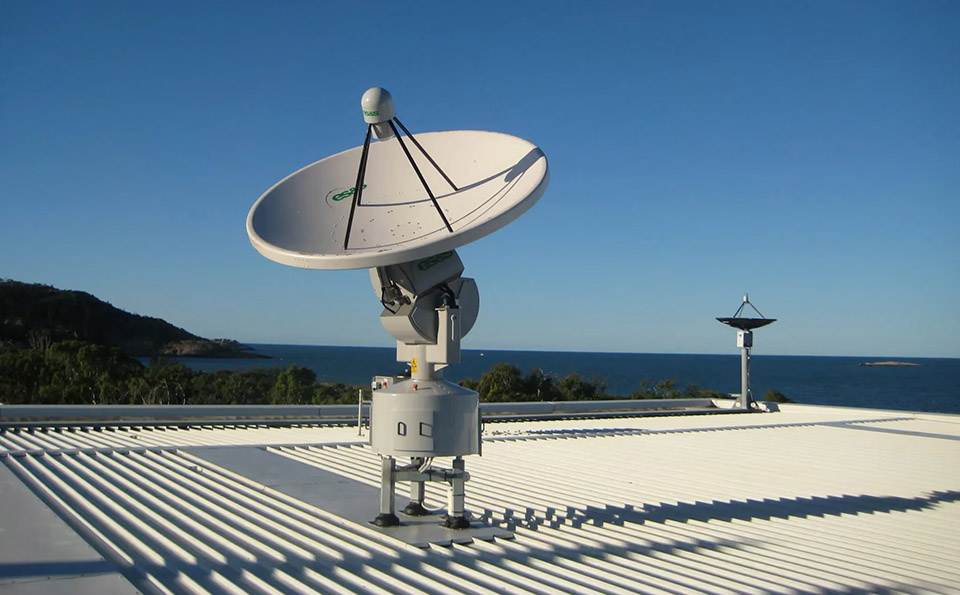
The commentary underscores the necessity of standardizing terrestrial reception networks to ensure reliable command and control for expanding commercial satellite constellations.
Capacity Management and Network Interoperability
The analysis addresses ongoing logistical challenges facing satellite operators as orbital deployments outpace terrestrial downlink availability. While commercial entities and government agencies continue investing in expanded physical ground sites, Medina argued that fragmented management systems and siloed provider networks limit the efficiency of these hardware expansions.
The commentary aligns with prior analysis examining the industry’s growing recognition of the orbital data bottleneck, emphasizing that long-term resilience requires deep interoperability among disparate service providers. By removing proprietary barriers and standardizing network handoffs, Medina suggested that orbital communications could eventually function as seamlessly as terrestrial mobile cellular roaming, allowing satellite operators to dynamically route data across multiple ground networks based on real-time availability and spectrum constraints.
Executive Perspectives on Downlink Resilience
The commentary emphasized that terrestrial infrastructure success should be evaluated by data reliability rather than physical antenna density.
“The next phase of the ground segment should be measured not by how many antennas the industry installs, but by how reliably operators can maintain command and control, reach their spacecraft and receive mission data without relying on individual sites, providers, or frequencies,” Medina wrote, highlighting the need for distributed, multi-vendor network resilience.
Infrastructure Modernization Horizon
Moving forward, the push toward ground segment virtualization and software-defined radio architectures is expected to facilitate greater interoperability across global teleports. As satellite operators prioritize assured communications access over dedicated site ownership, ground service providers will increasingly rely on automated capacity brokering and standardized interfaces to streamline orbital data transfer and maximize terrestrial network utilization.
