

On Tuesday, October 20, 2026, the U.S. Space Force released a comprehensive modernization plan to overhaul the Eastern and Western Ranges, establishing operational targets into the 2030s to support up to eight space missions per day.
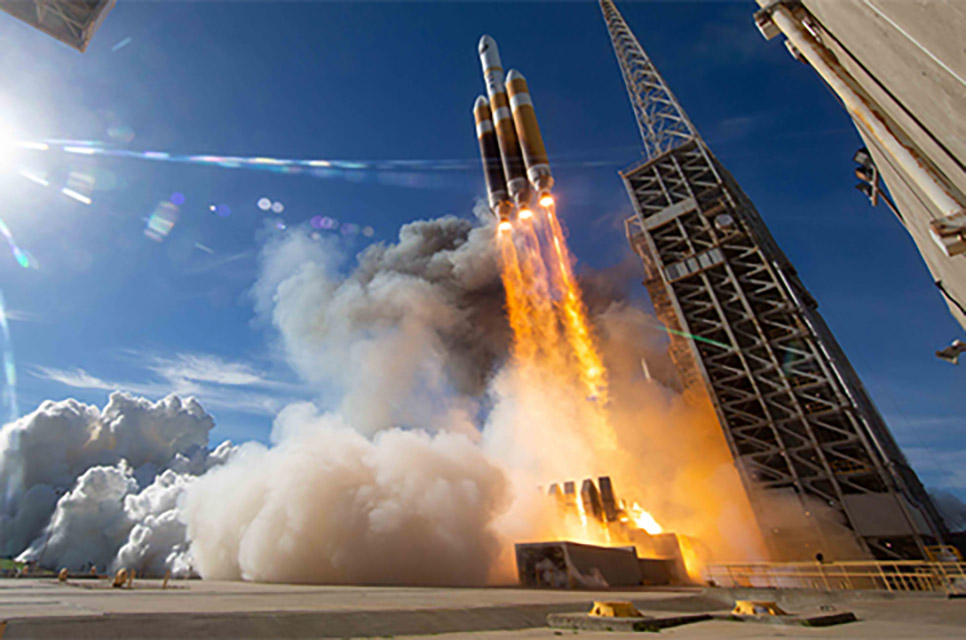
Published by SpaceNews, the strategic roadmap outlines a structural transition for Cape Canaveral Space Force Station in Florida and Vandenberg Space Force Base in California, moving both national spaceports away from legacy sequential scheduling toward high-throughput, concurrent multi-mission execution.
Operational Context and Range Modernization Lineage
The long-term roadmap addresses accelerating launch demands across commercial and national security sectors, building upon prior infrastructure programs where Space Systems Command advanced Eastern and Western Range capabilities. As commercial launch providers establish rapid turnaround cadences—demonstrated when Space Launch Delta 45 broke annual launch records on the Eastern Range—the military service is moving to eliminate range availability bottlenecks that constrain flight operations across both coasts.
Concurrent Operations Architecture and Capacity Thresholds
Under the new operational construct, each spaceport will transition away from the rigid, sequential scheduling model currently governing flight activities. Instead, the Eastern and Western Ranges will scale ground systems, telemetry networks, and safety tracking assets to conduct as many as three major operations simultaneously at a single spaceport. These concurrent activities encompass orbital launches, static engine firings, and vehicle recoveries. By decoupling pad activities and automating tracking assets, the Space Force projects total range throughput to expand from five to eight complete operations per day across the two complexes.
Commercial Financing Mechanisms and Range Fee Restructuring
To sustain this expanded operational posture into the 2030s, the Space Force is actively evaluating structural revisions to spaceport financing models. Officials are assessing potential reforms to how commercial launch providers reimburse the government for range usage, direct support services, and shared ground infrastructure maintenance. Modifying user-fee mechanisms aims to distribute operational sustainment costs equitably across commercial tenants while ensuring government spaceports retain capital to modernize tracking radar, telemetry networks, and ground facilities.
Infrastructure Evolution and Long-Term Horizon
The transition will unfold incrementally through the 2030s as the Space Force coordinates with commercial operators, civil agencies, and defense stakeholders to implement concurrent range safety protocols, ensuring both coasts can sustain growing launch volume without operational delays.
