

On Nov. 12, Ukrainian President Volodymyr Zelenskyy reported that military units have experienced systematic disruptions to SpaceX’s Starshield satellite communications service over several days, cutting connectivity for drones operating above 160 kilometers per hour.
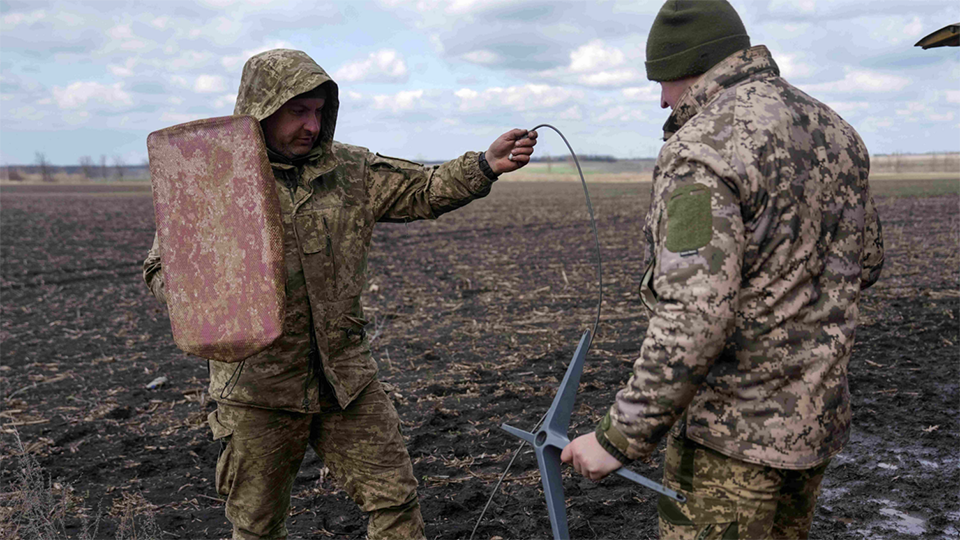
The operational restrictions have renewed friction over frontline satellite communications, while neither SpaceX nor the U.S. government has issued an official comment.
It is noted that the service disruption coincided with U.S. envoys arriving in Moscow, highlighting the intersection between diplomatic negotiations and tactical satellite access. Until Washington or SpaceX clarifies the status of the restriction, Ukrainian drone operators face ongoing constraints on high-speed aerial missions. Until Washington or SpaceX clarifies the status of the restriction, Ukrainian drone operators face ongoing constraints on high-speed aerial missions.
Recurrence of October Communications Limits
The latest service limits follow an earlier Starshield disruption in October that lasted about a week and a half before full connectivity was restored. Starshield operates as a militarized, encrypted variant of SpaceX’s low Earth orbit (LEO) satellite architecture designed to support government and defense operations. During the October outage—which prompted scrutiny over operational control of the network—similar velocity ceilings disrupted high-speed unmanned missions across active combat sectors.
Impact of the 160-Kilometer-Per-Hour Cutoff
Under the renewed parameters reported by Kyiv, Starshield transceivers lose their satellite links when platform velocities exceed 160 kilometers per hour. While fixed command posts and slower ground vehicles retain network access, the speed threshold prevents fast-moving unmanned aerial vehicles (UAVs) from maintaining continuous telemetry and command links during flight.
