
On Monday, October 19, 2026, the Federal Communications Commission (FCC) Space Bureau granted Globalstar, Inc. nationwide regulatory authority to operate its third-generation C-3 satellite constellation.
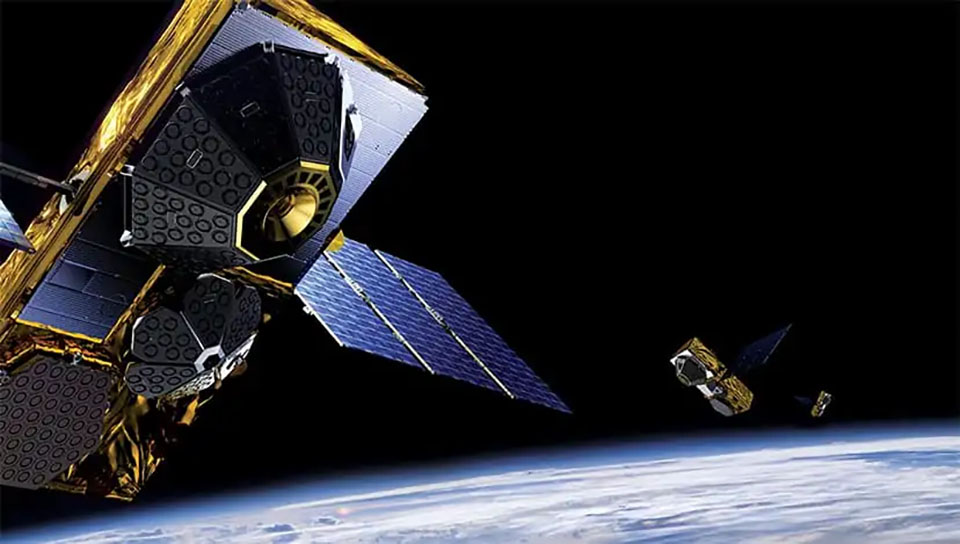
The approval authorizes the telecommunications provider to utilize its licensed Mobile Satellite Services (MSS) spectrum to deliver direct-to-device (D2D) connectivity to commercial smartphones across the United States, clearing the operational path for the space architecture supporting Apple’s satellite communication services.
Regulatory Mandates and Ecosystem Architecture
The ruling concludes a multi-year licensing proceeding that solidifies Globalstar’s position in the expanding satellite-to-cellular sector. The regulatory foundation builds upon earlier proceedings where the FCC Space Bureau rejected competing bids to share Big LEO spectrum, preserving frequency protections for emergency mobile communications. Under long-term wholesale capacity agreements, consumer electronics giant Apple finances infrastructure prepayments and commands 85 percent of the network’s bandwidth to power emergency text, messaging, and location tracking on iOS devices, reflecting Apple’s capital orchestration strategy over orbital hardware.
Constellation Configuration and Orbital Parameters
The authorized C-3 constellation comprises 48 operational low Earth orbit (LEO) satellites and six on-orbit spares, bringing the total approved fleet to 54 spacecraft. The space segment will operate at a primary mission altitude of 1,414 kilometers, utilizing advanced S-band dynamic beamforming to concentrate transmission power over active cellular devices. Primary satellite manufacturing is led by MDA Space, with Rocket Lab fabricating the satellite platforms. Spacecraft operations will be commanded through mission control centers in Covington, Louisiana, and Toulouse, France, supported by ground station antennas situated across Alaska, Hawaii, Nevada, Texas, Florida, and Puerto Rico alongside approximately 90 antennas distributed across 20 countries.
Launch Timeline and Milestone Conditions
The FCC order establishes strict orbital compliance milestones, requiring Globalstar to launch and operate at least 50 percent of the 48 authorized operational satellites by October 11, 2032. To maintain space traffic safety, Globalstar must submit semi-annual reporting to the Space Bureau detailing all orbital conjunction events and near-miss encounters. Globalstar plans to launch its initial tranche of 12 C-3 satellites into an initial 680-kilometer insertion orbit in early to mid-2027 before raising the spacecraft into their final operational plane.