

Targeting protracted delays in transmitting space-based reconnaissance to forward combat units, Dutch defense technology firm Bravo1Alpha B.V. has deployed its Close Satellite Support tactical system to stream commercial satellite imagery directly to frontline drone pilots in Ukraine.
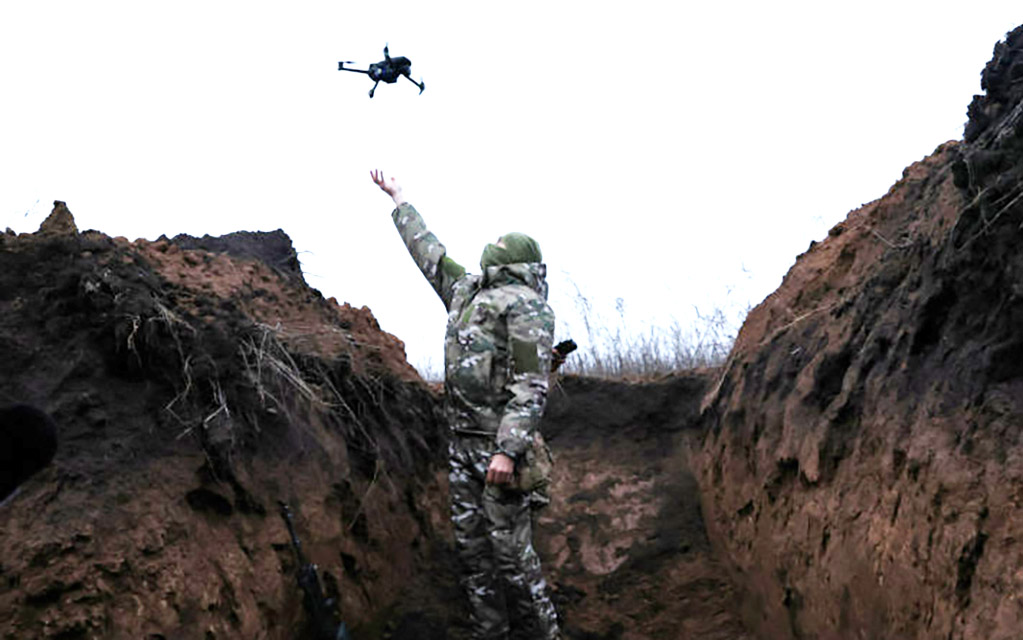
In an operational assessment published Monday, August 17, 2026, by The New York Times, field operators disclosed that the Rotterdam-based company’s edge hardware enables units to receive high-resolution orbital captures within minutes, bypassing multi-tiered command layers to coordinate precision drone strikes.
Handheld Terminal Architecture and Mobile Edge Integration
Bravo1Alpha’s Close Satellite Support (CSS) architecture combines vehicular mobile command nodes with compact, handheld terminals resembling video game controllers. Mounted in mobile field trucks configured with localized processing units and satellite transceivers, the system captures downlinked commercial satellite imagery and routes it directly to dismounted operators. Frontline drone pilots utilize the handheld interfaces to examine multispectral imagery, plot flight trajectories around hostile air defenses, and coordinate strike munitions from uncrewed aerial vehicles.
Sensor-to-Effector Compression and Tactical Targeting
The deployment addresses a critical operational bottleneck in modern non-terrestrial intelligence delivery. Historically, space-based imagery required days to filter through strategic headquarters down to frontline infantry, rendering satellite feeds ineffective against relocatable targets. By delivering refreshed imagery within fifteen minutes, the platform compresses the sensor-to-effector loop by up to 90 percent. Field units have utilized the capability to detect concealed Russian command bunkers, verify target coordinates with five-meter precision, and conduct immediate battle damage assessment following drone engagements.
Commercial Space Constellations and Network Heritage
The edge routing tool integrates multiple commercial orbital providers, drawing optical and synthetic aperture radar feeds from commercial fleets such as Vantor and ICEYE. Data streams are ingested directly into Ukraine’s indigenous DELTA battlefield management system, which fuses spaceborne intelligence with tactical drone feeds and terrain databases under NATO-compliant data standards. The reliance on dispersed commercial feeds follows recent operational lessons surrounding orbital space defense and tactical drone connectivity, highlighting the necessity of multi-source satellite networks resilient to electronic jamming.
Proliferated Tactical Deployment and Future Outlook
Bravo1Alpha is expanding the distribution of its tactical edge receivers across allied military forces, standardizing workflows for joint sensor and targeting control. As commercial Earth observation constellations achieve higher revisit rates, the operational focus is shifting from centralized strategic exploitation toward proliferated, edge-native terminals that deliver orbital intelligence directly to tactical warfighters.
