
As the global satellite propulsion market scales from $2.07 billion in 2026 toward a projected $4.66 billion by 2031, established aerospace prime contractors and specialized suppliers are restructuring manufacturing strategies to capture commercial constellation orders.
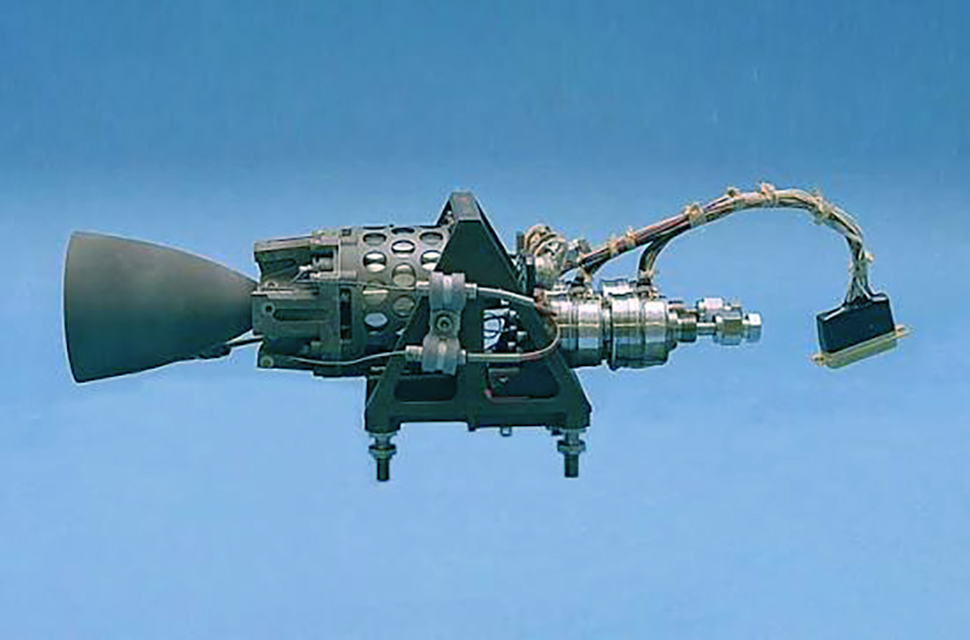
In a report published on Nov. 13, MarketsandMarkets Research Pvt. Ltd. identified Northrop Grumman (U.S.), Safran SA (France), Thales Alenia Space (France), ArianeGroup GmbH (Germany), and Space Technologies, Inc. (U.S.) among the primary companies shaping the competitive landscape.
Vertical Integration and Modular Bus Partnerships
The supplier ecosystem spans legacy defense primes, propulsion specialists, and commercial NewSpace entrants competing across chemical, electric, and green propulsion architectures. To win multi-satellite production contracts, vendors are prioritizing vertical integration, manufacturing capacity expansion, and direct partnerships with satellite bus builders to deliver turnkey propulsion modules.
In North America, U.S. aerospace primes anchor regional market leadership through defense contracts and broadband constellation builds. Across Europe, manufacturers such as Safran SA, Thales Alenia Space, and ArianeGroup GmbH are advancing modular thruster blocks and non-toxic propellant systems aligned with strict European Space Agency (ESA) orbital debris disposal regulations.
Qualification Hurdles and Turnkey Delivery Through 2031
Competitive differentiation increasingly depends on achieving higher thrust-to-power ratios, shortening delivery lead times, and certifying compliance with international debris mitigation standards. While standardized satellite platforms have lowered barriers to entry for emerging operators, suppliers still face complex radiation-hardening demands and constrained raw material supply chains.
Through 2031, propulsion providers capable of delivering scalable, off-the-shelf electric and green propulsion modules with shortened qualification cycles will be best positioned to secure long-term supply agreements with major constellation operators and in-orbit servicing providers.