

On July 30, 2026, a SpaceX Falcon 9 rocket lifted off from Space Launch Complex 40 (SLC-40) at Cape Canaveral Space Force Station in Florida, carrying the classified NROL-95 payload into orbit for the National Reconnaissance Office (NRO). The early-morning launch marks a critical operational milestone in the intelligence agency’s effort to divide its 2026 operational fleet between proliferated low Earth orbit (LEO) imaging constellations and specialized signals intelligence (SIGINT) platforms.
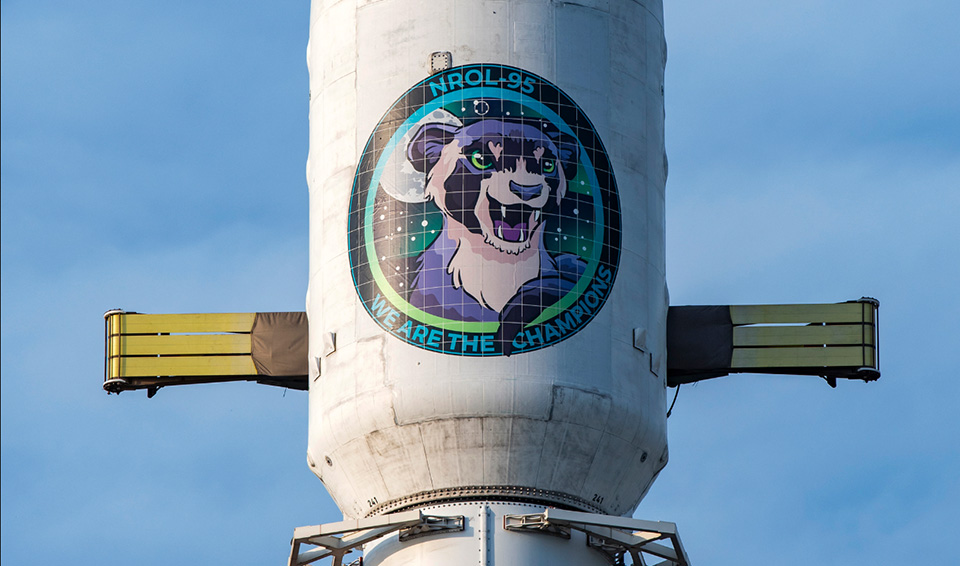
The NROL-95 deployment focuses primarily on maritime domain awareness and ship-tracking capabilities, supporting joint intelligence operations across the Indo-Pacific theater. Following stage separation, the Falcon 9 first stage booster returned to Cape Canaveral for a successful vertical touchdown at Landing Zone 2 (LZ-2).
NRO CISLUNAR & LEO FLEET ARCHITECTURE (2026)
┌─────────────────────────────────────────────────────────────────┐
│ PROLIFERATED LEO LAYER (Starshield / Mass Architecture)         │
│ High-revisit imaging, automated re-tasking, high resilience     │
├─────────────────────────────────────────────────────────────────┤
│ SPECIALIZED ISR & SIGINT LAYER (Traditional / NOSS Lineage)     │
│ Deep-spectrum signals intelligence, RF maritime tracking        │
└─────────────────────────────────────────────────────────────────┘
Dual-Track Architecture and Strategic Fleet Expansion
The deployment of NROL-95 highlights the NRO’s structural shift toward a hybrid space architecture. Building upon early mass-deployment missions such as NROL-153 in January 2025, the agency is actively balancing high-quantity proliferated satellite swarms with dedicated, high-capability intelligence platforms:
- Proliferated Starshield Swarms: Developed in partnership with SpaceX and Northrop Grumman, this layer utilizes hundreds of small satellites in low Earth orbit to provide high-revisit optical, infrared, and synthetic aperture radar (SAR) coverage across active operational theaters.
- Specialized SIGINT & Naval Surveillance Platforms: Represented by payloads like NROL-95, this architecture maintains the heritage Naval Ocean Surveillance System (NOSS) lineage, utilizing radio frequency (RF) geolocation and electronic intelligence (ELINT) sensors to track military surface vessels across vast ocean expanses.
The complementary framework ensures that high-revisit commercial-derivative layers provide rapid cueing for heavy-lift specialized sensors, reducing target identification timelines for tactical warfighters.
NRO CAPABILITY & LAUNCH PROFILES
┌──────────────────────────────┬──────────────────────────────┬──────────────────────────┐
│ Fleet Segment                │ Mission Objective            │ Primary Contractor       │
├──────────────────────────────┼──────────────────────────────┼──────────────────────────┤
│ Starshield Proliferated      │ Rapid Revisit Tactical ISR   │ SpaceX / Northrop        │
│ Dedicated SIGINT / Naval     │ RF Geolocation & Tracking    │ Classified Prime         │
│ MILNET Backhaul Layer        │ Encrypted Tactical Transport │ SpaceX / USSF      │
└──────────────────────────────┴──────────────────────────────┴──────────────────────────┘
Launch Contract Transition and Mission Assurance
NROL-95 was procured under the Space Systems Command (SSC) National Security Space Launch (NSSL) framework, bridging the final task orders of Phase 2 into the operational launch pipeline of Phase 3.
As announced during the April 2025 allocation of $13.7 billion in NSSL Phase 3 Lane 2 contracts, the Space Force divided future national security manifests between Lane 1 commercial-like providers and Lane 2 heavy-lift, mission-assured launch vehicles. The dual-lane approach allows the NRO to match risk-tolerant proliferated payloads with rapid-cadence commercial launches, while reserving dedicated launch vehicles from SpaceX, United Launch Alliance (ULA), and Blue Origin for complex, high-value national assets.
Furthermore, procurement frameworks such as the Space Force’s 480-satellite MILNET contract demonstrate how the NRO’s acquisition infrastructure is leveraged across the Department of Defense to field encrypted optical inter-satellite link (OISL) communications networks.
“Having hundreds of NRO satellites on orbit is invaluable to our nation and our partners,” stated Dr. T.J. Lincoln, Director of the NRO’s Mission Operations Directorate. “They will provide greater revisit rates, increasing coverage, faster delivery of information, and ultimately help us to more quickly deliver what our customers need.”
Indo-Pacific Maritime Surveillance Integration
Data harvested by NROL-95 will directly feed into the Indo-Pacific Maritime Surveillance Collaboration, a multi-national defense initiative designed to monitor dark vessels, unflagged maritime traffic, and foreign naval movements across critical international shipping lanes.
By integrating automated radio frequency signal processing with machine learning algorithms at ground processing nodes, the NRO aims to convert raw orbital telemetry into actionable targeting and surveillance data for allied naval forces operating in contested waters.
