

By Chris Forrester
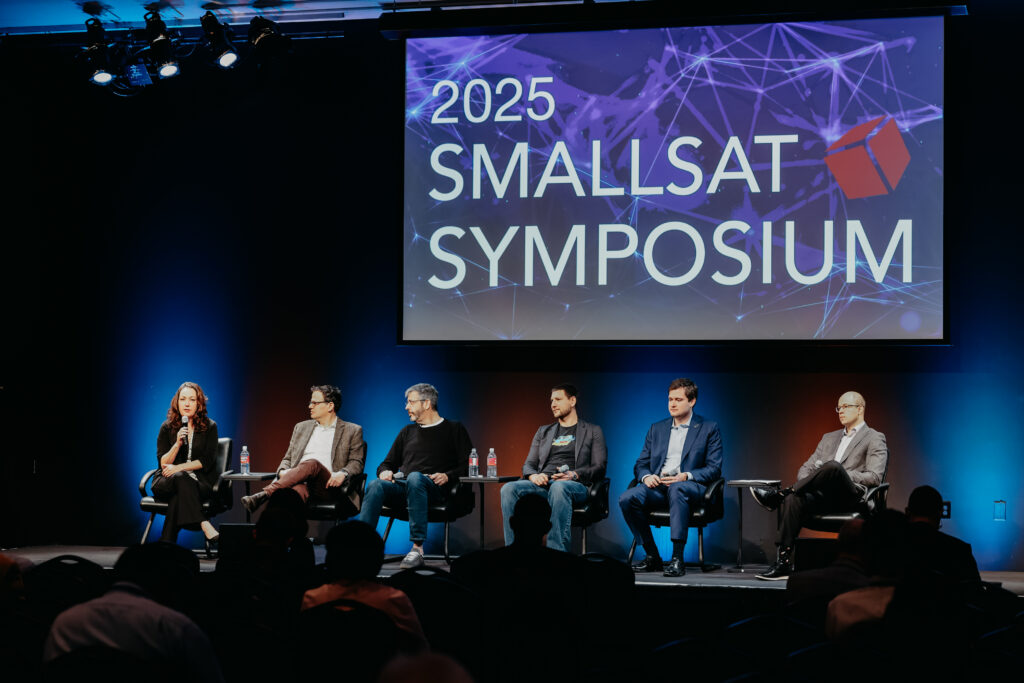
The Space Race for Capital session was a crowded and well attended panel at the SmallSat Symposium on February 5 at Mountain View. Brought together by the huge business advice consultancy Moss Adams, and moderated by partner Corey Preugschat, delegates wanted to know what the trends were in terms of fundraising and financing.
Meagan Crawford, Founder & Managing Partner, SpaceFund (and owner of spacefund.com site), explained that valuations came back into line in 2024 and more realistic than the crazy period – over-valued – of 2021-2022. Greater realism sometimes means a lower valuation, and trust the Venture Capitalist to give you hopefully realistic advice. Cash flow, in my experience is crucially important. It can be difficult and very damaging when a contract is held up meaning the cash doesn’t flow, despite an order being in place. I’d hope that the new Administration addresses this. It is also worth stressing that the world’s biggest funder in space is the U.S. government.
She suggested that the biggest opportunities were not in the launch industry. It is no longer ideal.
Noel Rimalovski, MD, GH Partners explained that some Venture Capital funds were often focussed just on the next ‘Facebook’ and not necessarily looking at Space. Space is capital intensive and investors prefer not to have to mark values down when a project comes back looking for more funding. Rimalovski also endorsed the view that the new Administration would be helpful with cash supporting U.S.-based activity. Defense and intelligence are also in favour and attractive to government. But always remember that you have to have your financial house in order. Start getting audits regularly, and be prepared for quarterly announcements.
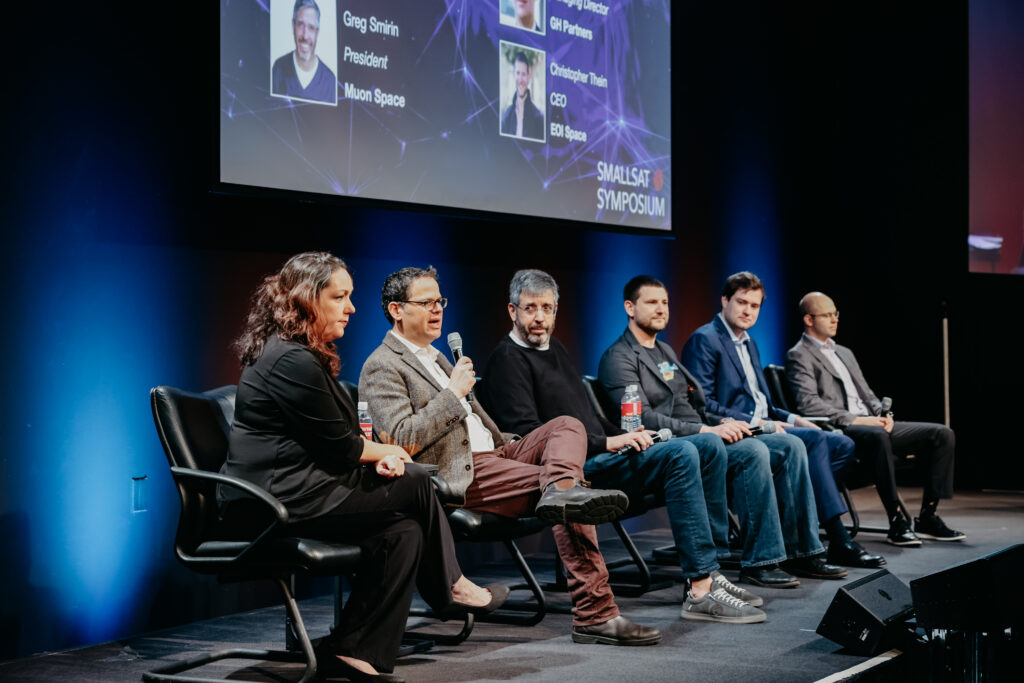
Greg Smirin, President, Muon Space. They raised $56 million in a Series B round. The challenges, he said, were in explaining to potential investors what space and for Muon Space what it was all about. “We were helped by signing just over $100 million in fresh contracts. What we have found subsequently is that valuations have improved and there’s a greater understanding (of Space).”
Christopher Thein, CEO, EOI Space said he was in the middle of a Round B funding. “It is fair to say that sometimes you have to kiss a lot of frogs before finding your prince. If I was an investor, I would be very wary of any proposal that was pitched against SpaceX. By and large there’s a 30-50% premium for AI-focused companies.”
Ari Juster, COO, Starfish Space, managed to raise almost $30 million in 2024 to take the total to $50 million raised. It was the 4th ‘real round’ of cash-raising but he said he found that lead times had expanded and applicants needed to take this on board when embarking on discussions. There were also many factors in the decision making that might be well outside the influence of investor and recipient.
