


On Thursday, February 29 at 10:30 a.m. ET, Falcon 9 launched 23 Starlink satellites to low-Earth orbit from Space Launch Complex 40 (SLC-40) at Cape Canaveral Space Force Station in Florida. February 29, Leap Day which comes around only every four years, marked only the first time in U.S. history that an orbital launch took place.
This was the 11th flight for the first stage booster supporting this mission, which previously launched CRS-26, OneWeb Launch 16, Intelsat IS-40e, O3b mPOWER, Ovzon 3, and now six Starlink missions.
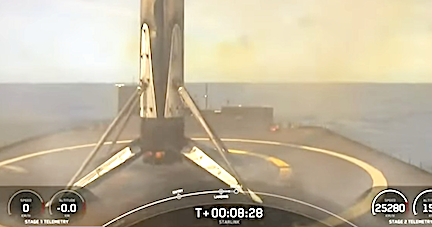
SpaceX made took advantage of a weather delay to an astronaut launch from Florida’s Space Coast to launch a batch of Starlink satellites from pad 40 at Cape Canaveral Space Force Station on Thursday morning. The launch on Thursday was only possible because of poor weather out in the Atlantic Ocean much farther north.
The Leap Day launch of the Starlink 6-40 mission added another 23 Starlink Version 2 Mini satellites to the growing low Earth orbit constellation. Liftoff of the Falcon 9 rocket from Space Launch Complex 40 occurred at 10:30 a.m. EST (1530 UTC).
The launch on Thursday was possible because of poor weather much farther north in the Atlantic Ocean. Launch weather forecasters predicted that if a mid-flight abort were necessary during the ascent of the Crew-8 mission to the International Space Station, conditions would be unsafe for the recovery crew and the astronauts within the Crew Dragon spacecraft.
NASA and SpaceX determined a new launch date of March 2.
