

Orbit Fab and Thales Alenia Space have announced a new partnership aimed at revolutionizing spacecraft longevity and sustainability.
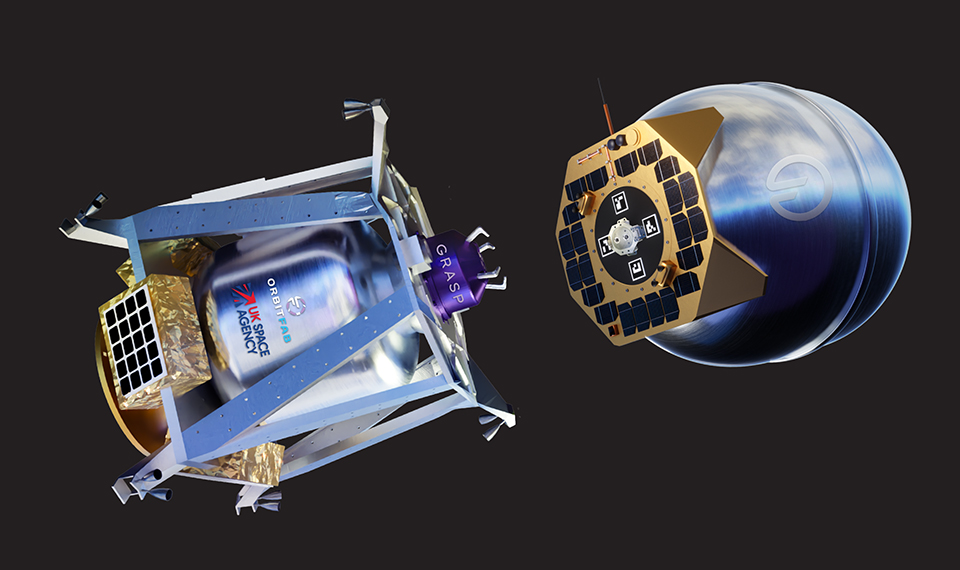
Unveiled against the backdrop of the Space Propulsion 2026 conference, the collaboration focuses on a joint project supported by the UK Space Agency. The initiative merges the specialized skills of both companies to design a novel architecture for satellite refueling, addressing the growing need for resilient space operations.
The REEF Demonstrator
At the heart of this collaboration is the Refuellable Electric Engine Flatsat, known as REEF. Teams from Orbit Fab and Thales Alenia Space in the United Kingdom are working together to build this ground-based demonstrator. The flatsat serves as an essential testing platform, allowing engineers to comprehensively validate fluid interfaces, operational procedures, and innovative concepts for the in-orbit refueling of electric propulsion systems. The concept of REEF has been formed and the preliminary design of the system has begun. Full system breadboard testing of REEF will be completed by early 2027.

Thales Alenia Space contributes its extensive background in spacecraft propulsion subsystems to ensure the architecture can practically extend mission lifetimes and improve operational flexibility.
Driving a Circular Space Economy
This joint venture represents a significant shift toward designing spacecraft that are meant to be serviced, upgraded, and refueled rather than eventually abandoned as debris. By promoting reuse and life extension, the REEF project supports a circular economy in space, which minimizes orbital waste and maximizes the return on investment for orbital assets.
Jacob Geer, the managing director of Orbit Fab in Europe, noted that integrating their proprietary interface technology with the electric propulsion expertise of Thales Alenia Space is a natural combination. He emphasized that collaborations like this are vital for making in-orbit refueling a practical reality for operators across Europe as the demand for sustainable spacecraft increases.
Setting the Industry Standard
Orbit Fab is already laying the groundwork for widespread in-orbit servicing infrastructure to ensure any satellite can be refueled. The Colorado-headquartered company, which also operates facilities in the United Kingdom, currently has its first fuel depot in orbit.
Over the next two years, they plan to launch four additional refueling missions to demonstrate services to customers. These efforts rely on their specialized RAFTI refueling interface, which replaces traditional satellite service valves for ground fueling without adding significant cost, weight, volume, or complexity to the client spacecraft. The primary propellants demonstrated within REEF are xenon and krypton. These noble gases are widely used in spacecraft electric propulsion systems, making them the leading candidates for refuelling within a system such as REEF.
Available under an open license, this interface is rapidly becoming the de facto industry standard, paving the way for dozens of client satellites currently in development to receive fuel deliveries in orbit.
