

The commercial space sector is bracing for a potential paradigm shift as industry analysts convened on January 20, 2026, to debate the feasibility and implications of a SpaceX initial public offering (IPO) within the calendar year.
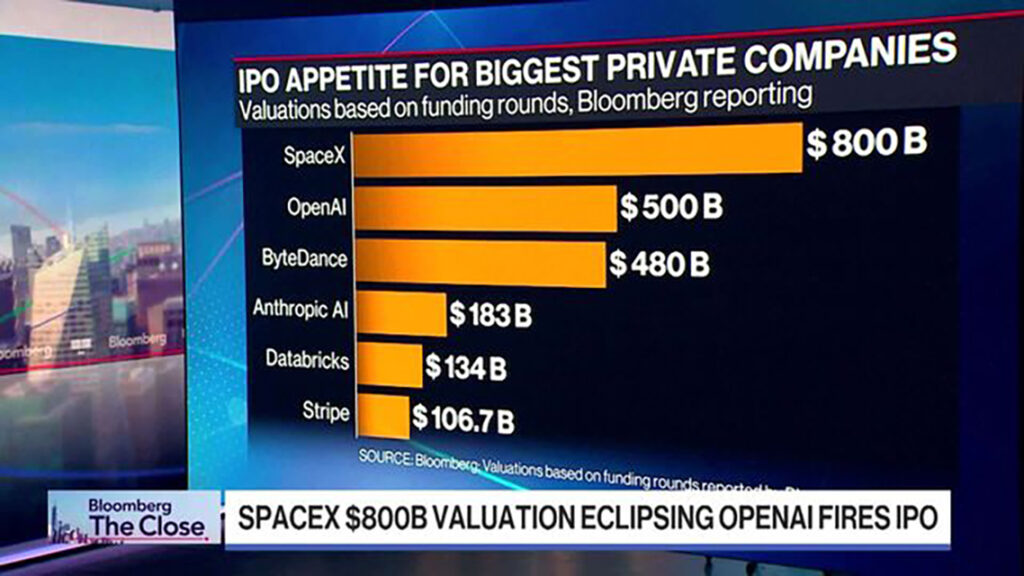
While CEO Elon Musk has historically tied public markets to the stability of the Starship program, the maturation of Starlink’s cash flow and the rapid expansion of the Starshield defense vertical have fueled consensus that 2026 represents a strategic window for the world’s most valuable private aerospace entity to transition to the public domain.
SpaceX has spent the last several years systematically dismantling the traditional barriers to entry in both the launch and satellite broadband markets. The company’s Starship vehicle, now entering a cycle of high-cadence orbital testing, is viewed by analysts not just as a heavy-lift rocket, but as the primary engine for orbital infrastructure density.
This vertical integration allows SpaceX to deploy its own Starlink v3 satellites at a fraction of the cost faced by competitors such as Amazon’s Project Kuiper, which remains in the early deployment phases. The roundtable emphasized that a 2026 IPO would likely focus on this “closed-loop” economy, where the company’s launch dominance directly subsidizes its high-margin data services.
The strategic rationale for an IPO at this juncture extends beyond simple capital infusion. Analysts noted that SpaceX is increasingly pivoting toward high-value segments like orbital data centers and integrated battle management through its Starshield division. These initiatives require the kind of long-term institutional capital and transparency that public markets provide, even as they introduce new competitive pressures on mid-tier players like Rocket Lab.
The panel suggested that a public SpaceX would essentially set the “gold standard” for space valuation, potentially forcing a consolidation wave among smaller firms that cannot match the economies of scale provided by the Starship-Starlink nexus.
Looking toward the remainder of 2026, the primary hurdles for a successful IPO remain regulatory scrutiny and the inherent volatility of the Starship development timeline. Investors will be closely watching the integration of Starlink’s consumer broadband success with its burgeoning government and enterprise contracts.
If SpaceX can demonstrate that its orbital data center architecture is viable, the company’s valuation could transcend the aerospace sector entirely, positioning it as a fundamental global utility provider. The consensus from the roundtable indicates that while the technical risks remain significant, the financial appetite for a SpaceX public debut has never been higher, potentially redefining the economics of the entire space industrial base for the next decade.
