

By Chris Forrester
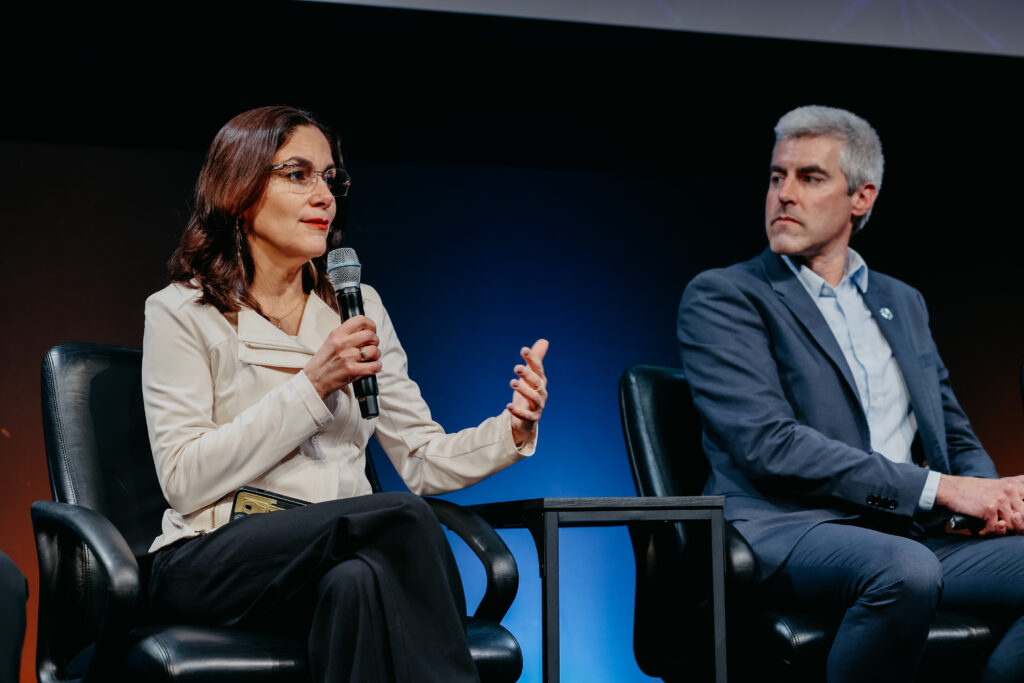
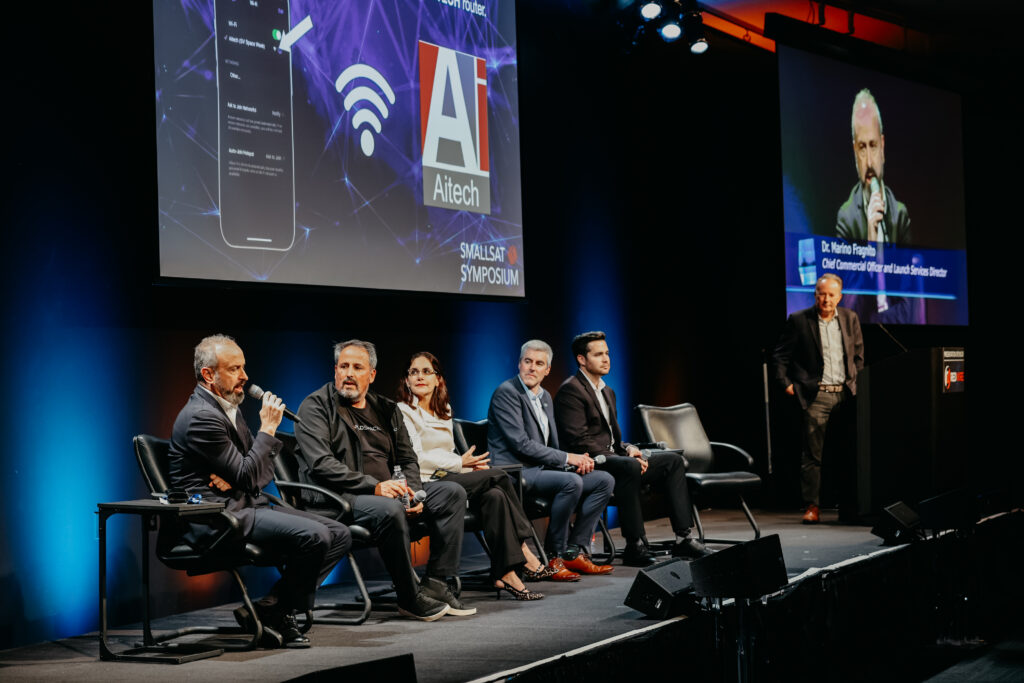
Silvano Payne, producer of the SmallSat Symposium told delegates that his company was tracking some 145 companies which were trying to build and launch new rockets. Moderator Curt Blake, Senior of Counsel at Wilson Sonsini, led the panel of experts. He asked his panel to differentiate what they were trying to do when set against the benchmark – which is SpaceX, and its domination of the launch market.
Brian Rogers, VP/Global Launch Services, Rocket Lab, answered that its Electron rocket and the upcoming Neutron medium-lift variant which will be capable of handling 13,000 kgs to LEO, and capture a slice of the market. “Our market entry strategy is to be less expensive than a Falcon 9. Our aim is not to initially focus on Rideshare-type missions but to handle ‘all of the above’ tasks which the market is seeking.”
Mr Rogers said that, for his customers, price was important but so was speed to launch. “If they can get their mission launched speedily then revenues will start flowing.”
Dr. Robert Sproles, CEO, Exolaunch said that they are also looking for a growing slice of the launch market and while they initially focussed on commercial clients they were now seeing government tasks on the table. “We see smaller start-ups getting bigger, and some larger clients also coming down in size with their needs. This includes CubeSats and MicroSats. There’s also a revitalisation in the GEO market where clients are looking for smaller satellites. We see the 200-700 kgs as our ‘sweet spot’ and not just in LEO but in GEO and even Lunar tasks.” He said that launch schedules would always be important but so was price.
Stella Guillen, CCO, Isar Aerospace SE, said her client list was split with some 80% looking after commercial clients and with a growing government segment. “Recently, there has been a lot of focus on defence and rapid response. All of our contracts except one are for multiple launch tasks and where the client is looking to lock in launch capacity because of the huge demand. We have contracts on the books that run to 2030 and 2032.”
She added that while price and launch schedule were obviously important, so was flexibility for clients. “These terms can also be translated into dollar amounts in some cases.” Having two launch sites (Polar and Equatorial) helps in that scheduling mix. Some of our Rideshare clients have ended up switching to more dedicated missions, so flexibility is very useful.
Germany-based Isar Aerospace is manufacturing its two-stage vehicles in-house and targeting small to medium-sized satellites. It has won business from ESA and investment from NATO.
Pablo Gallego, SVP, Sales & Customers, PLD Space. Alicante (Spain)-based PLD Space is developing three variants, Miura 1 for sub-orbital missions and Miura 5 for orbital launch with payloads up to 900 kgs into LEO. Them Miura NEXT is for a partially reusable version. They have agreements in place from French Space Agency (CNES) for use of their rockets from French Guiana.
Dr. Marino Fragnito, CCO & Launch Services Director at Avio, which is an Italy-based business but with staff also in France and French Guiana for its Vega rocket family. It has launch contracts in place with ESA and is planning on 6 launches annually for its Vega C version. Dr. Fragnito said Avio is a mid-sized launcher business. “Our biggest problem at the moment is a limitation in terms of actual launches so we have to select the clients to work with and we have a very full backlog up to 2028. This means, unfortunately, we have less and less space for CubeSats and MicroSats simply because of launch demand from European institutions. Those European institutions make up about 90% of our schedule, but we are also seeing demand from international customers.”
