


It’s been a week of firsts for several companies, and SpaceX’s success today with the world’s most powerful rocket pushing faster than the speed of sound to test its engines, is an incredible feat.
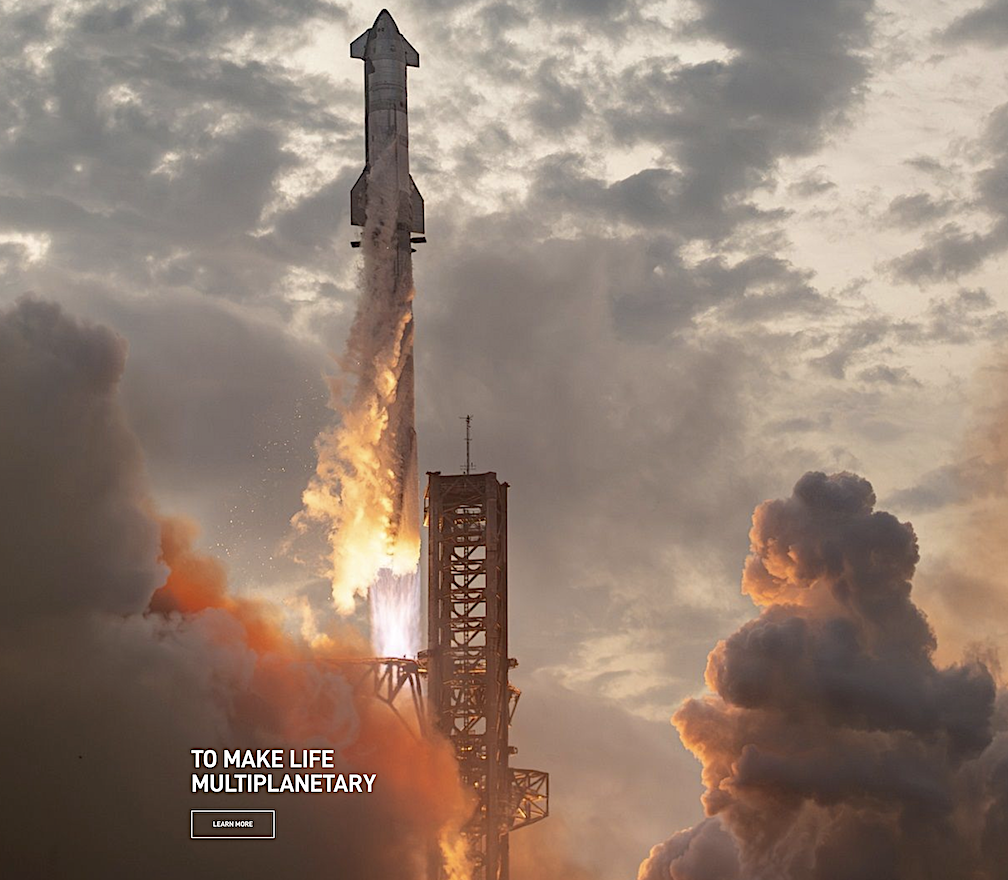
The SpaceX 400-foot-long Starship rocket, classified as a super heavy-lift launch vehicle is the biggest and most powerful rocket ever built.
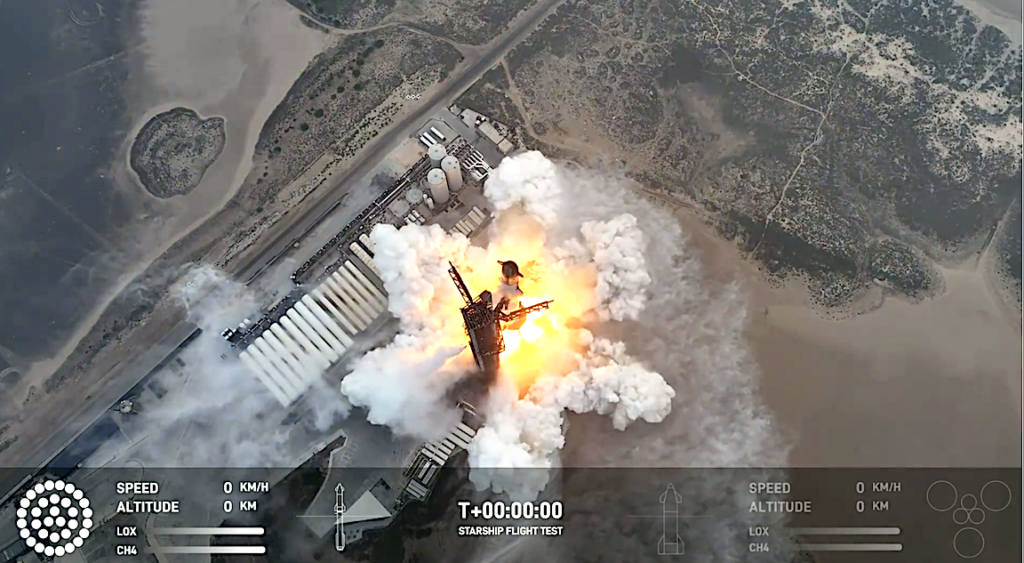
The launch took off from the Texas Starbase site Thursday morning for its fourth test flight, resulting in its most successful run yet, whereas the three previous tests ended in explosions.
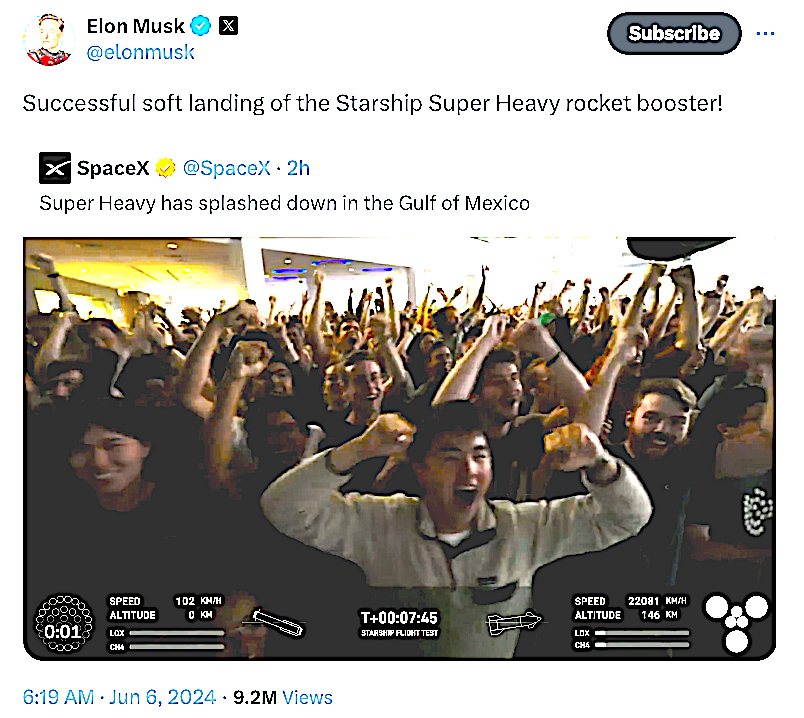
Starship achieved many milestones during Thursday’s test flight that includes the survival of the Starship capsule’s Super Heavy booster achieving a landing burn and a soft splashdown of both the capsule and booster in the Gulf of Mexico about eight minutes after launch.
“Despite loss of many tiles and a damaged flap, Starship made it all the way to a soft landing in the ocean! Congratulations @SpaceX team on an epic achievement!!” posted SpaceX founder and CEO Elon Musk on X.
The Starship spacecraft is covered with approximately 18,000 lightweight, ceramic hexagonal tiles to protect the vehicle during reentry.
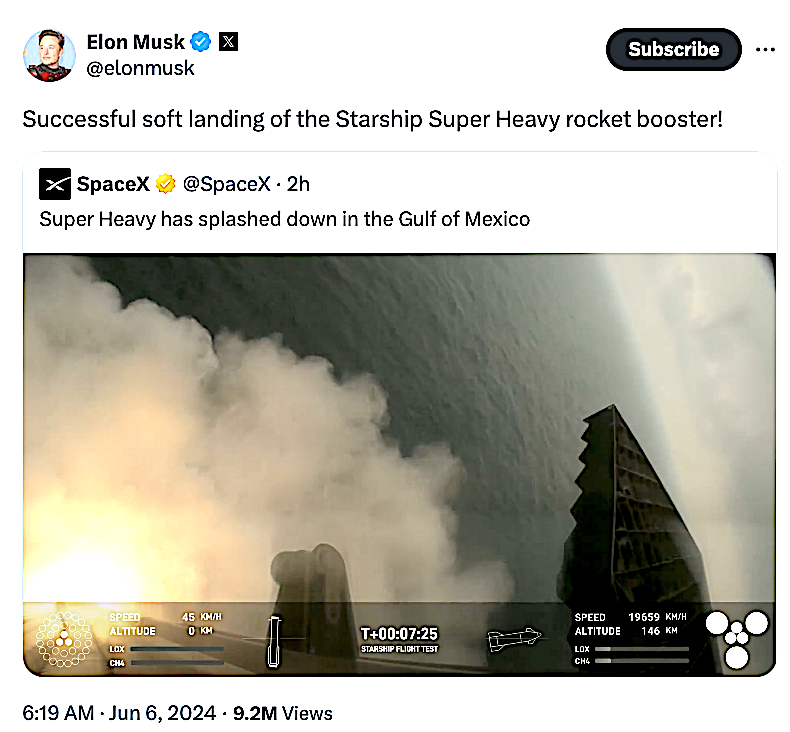
Perhaps one of the final milestones was as the Starship capsule successfully achieved orbital insertion, about 50 minutes after launch, the spacecraft began its controlled reentry journey, and Starlink satellites provided a livestream that was continuously available during reentry.
NASA administrator Bill Nelson participated in the celebratory event with, “Congratulations @SpaceX on Starship’s successful test flight this morning! We are another step closer to returning humanity to the Moon through #Artemis — then looking onward to Mars.”
SpaceX Starship still GO for June 6
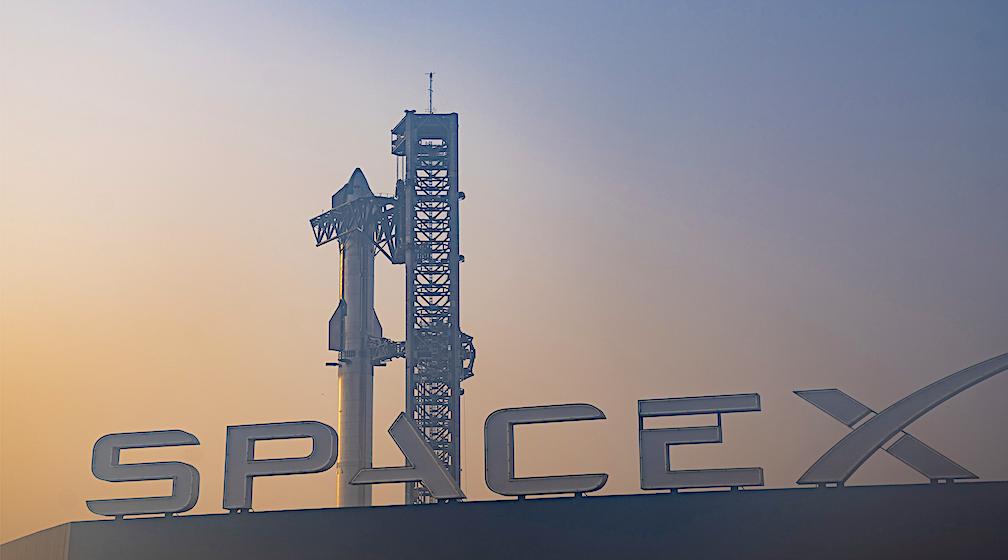
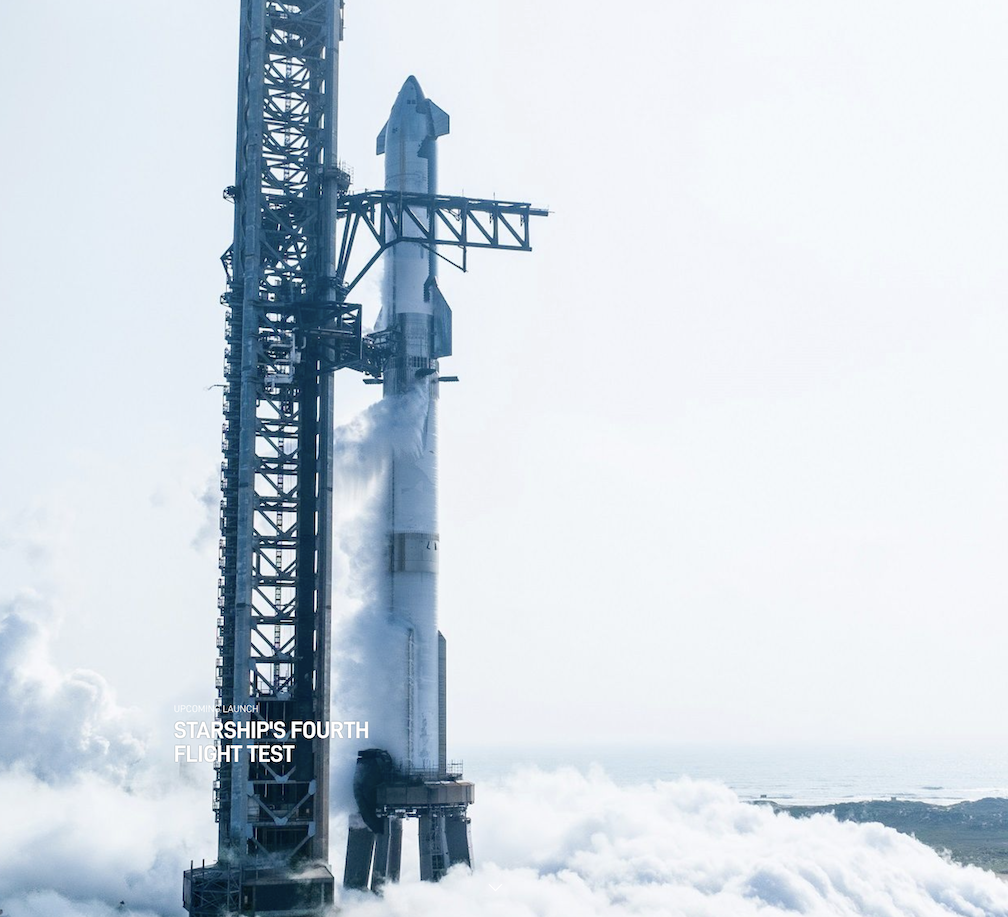
Starship stacked for Flight 4 The two-hour launch window opens tomorrow morning at 7 a.m. CT
The fourth flight test of Starship is still targeted to launch Thursday, June 6 from Starbase in Texas. The 120-minute test window opens at 7:00 a.m. CT.
A live webcast of the flight test will begin about 30 minutes before liftoff, which you can watch here and on X @SpaceX. The launch window will open as early as 7 a.m. CT. As is the case with all developmental testing, the schedule is dynamic and likely to change, so be sure to stay tuned to our X account for updates.
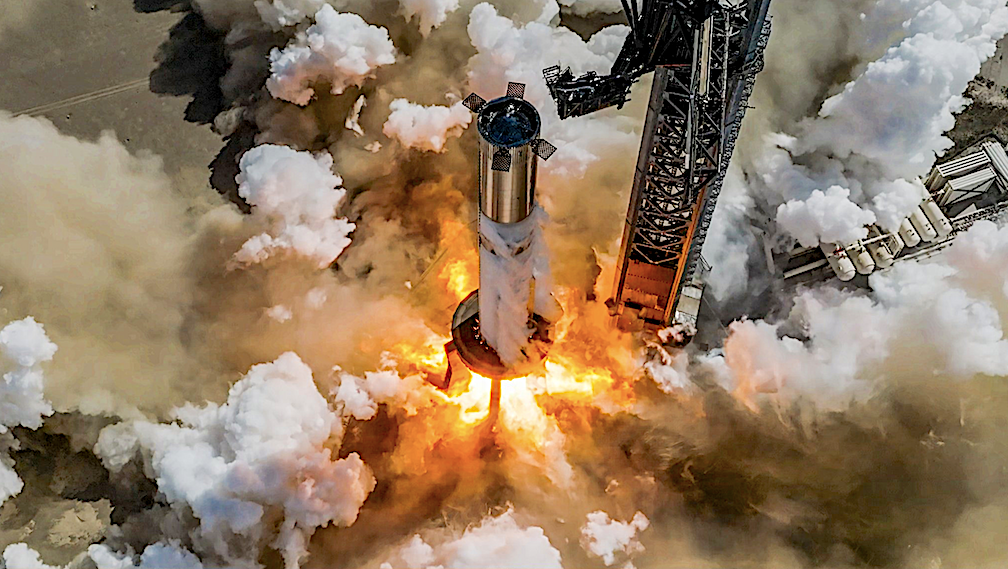
Starship’s third flight test made tremendous strides towards a future of rapidly reliable reusable rockets. The test completed several exciting firsts, including the first Starship reentry from space, the first ever opening and closing of Starship’s payload door in space, and a successful propellant transfer demonstration. This last test provided valuable data for eventual ship-to-ship propellant transfers that will enable missions like returning astronauts to the Moon under NASA’s Artemis program.
The fourth flight test turns our focus from achieving orbit to demonstrating the ability to return and reuse Starship and Super Heavy. The primary objectives will be executing a landing burn and soft splashdown in the Gulf of Mexico with the Super Heavy booster, and achieving a controlled entry of Starship.
To accomplish this, several software and hardware upgrades have been made to increase overall reliability and address lessons learned from Flight 3. The SpaceX team will also implement operational changes, including the jettison of the Super Heavy’s hot-stage following boostback to reduce booster mass for the final phase of flight.
Flight 4 will fly a similar trajectory as the previous flight test, with Starship targeted to splashdown in the Indian Ocean. This flight path does not require a deorbit burn for reentry, maximizing public safety while still providing the opportunity to meet our primary objective of a controlled Starship reentry.
The fourth flight of Starship will aim to bring us closer to the rapidly reusable future on the horizon. We’re continuing to rapidly develop Starship, putting flight hardware in a flight environment to learn as quickly as possible as we build a fully reusable transportation system designed to carry crew and cargo to Earth orbit, the Moon, Mars and beyond.
SpaceX’s Starship receives FAA license to fly the ‘world’s most powerful rocket’ on June 6
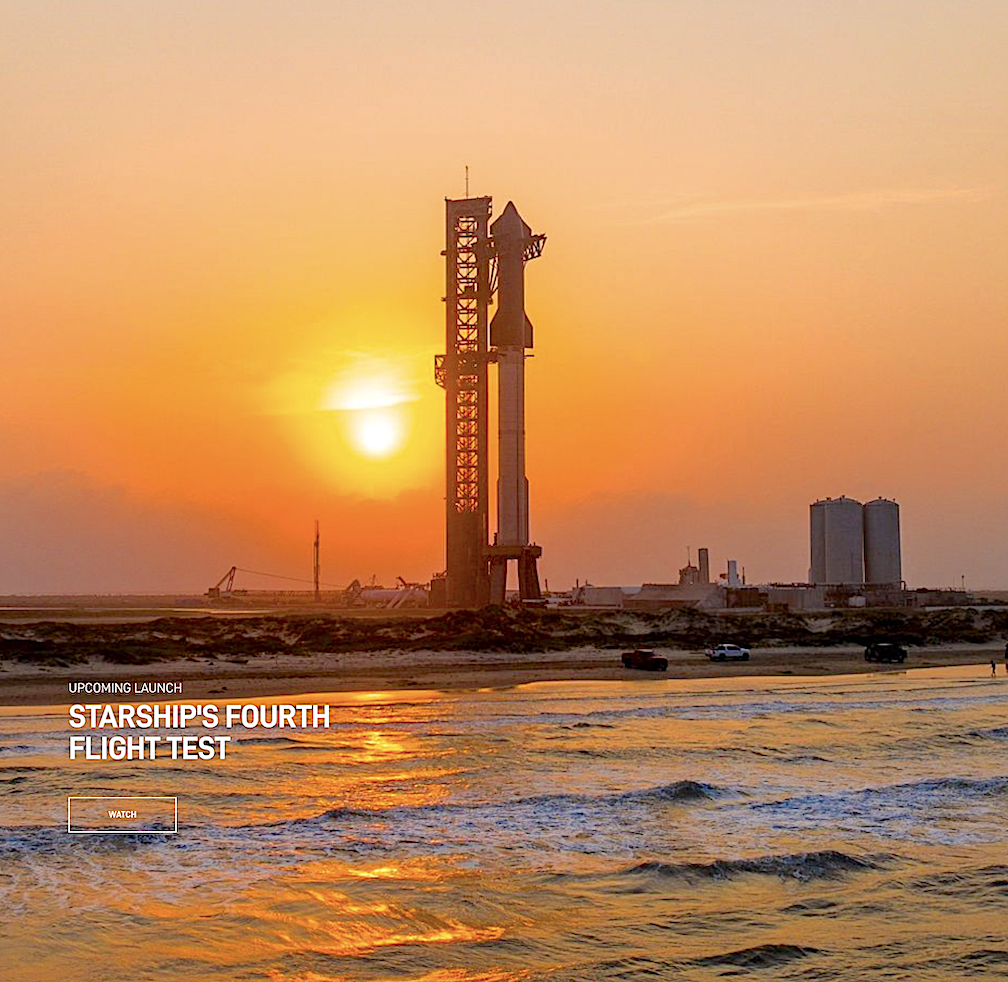

The Federal Aviation Administration officially documented the issuance of a launch license to SpaceX’s Starship regarding the Flight 4 test mission. The test flight is scheduled to launch no earlier than Thursday, June 6, from the company’s Starbase facility near Boca Chica Beach in South Texas.
“The FAA has approved a license authorization for SpaceX Starship Flight 4,” FAA officials wrote in a statement. “SpaceX met all safety and other licensing requirements for this test flight.”
“The fourth flight of Starship will aim to bring us closer to the rapidly reusable future on the horizon. We’re continuing to rapidly develop Starship, putting flight hardware in a flight environment to learn as quickly as possible as we build a fully reusable transportation system designed to carry crew and cargo to Earth orbit, the Moon, Mars and beyond.”
SpaceX’s Flight 4 of Starship now scheduled for June 6
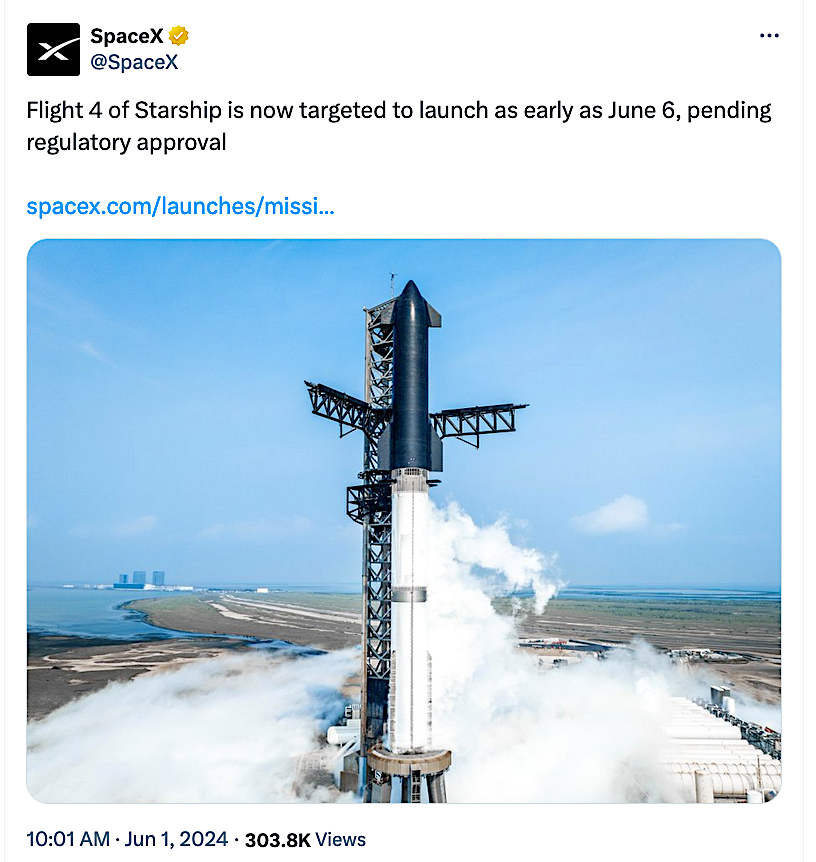
The fourth flight test of Starship could launch as soon as June 6, pending regulatory approval.
A live webcast of the flight test will begin about 30 minutes before liftoff, which you can watch here and on X @SpaceX. The launch window will open as early as 7 a.m. CT. As is the case with all developmental testing, the schedule is dynamic and likely to change, so be sure to stay tuned to our X account for updates.
Starship’s third flight test made tremendous strides towards a future of rapidly reliable reusable rockets. The test completed several exciting firsts, including the first Starship reentry from space, the first ever opening and closing of Starship’s payload door in space, and a successful propellant transfer demonstration. This last test provided valuable data for eventual ship-to-ship propellant transfers that will enable missions like returning astronauts to the Moon under NASA’s Artemis program.
The fourth flight test turns our focus from achieving orbit to demonstrating the ability to return and reuse Starship and Super Heavy. The primary objectives will be executing a landing burn and soft splashdown in the Gulf of Mexico with the Super Heavy booster, and achieving a controlled entry of Starship.
To accomplish this, several software and hardware upgrades have been made to increase overall reliability and address lessons learned from Flight 3. The SpaceX team will also implement operational changes, including the jettison of the Super Heavy’s hot-stage following boostback to reduce booster mass for the final phase of flight.
Flight 4 will fly a similar trajectory as the previous flight test, with Starship targeted to splashdown in the Indian Ocean. This flight path does not require a deorbit burn for reentry, maximizing public safety while still providing the opportunity to meet our primary objective of a controlled Starship reentry.
The fourth flight of Starship will aim to bring us closer to the rapidly reusable future on the horizon. We’re continuing to rapidly develop Starship, putting flight hardware in a flight environment to learn as quickly as possible as we build a fully reusable transportation system designed to carry crew and cargo to Earth orbit, the Moon, Mars and beyond.
SpaceX’s Starship’s Dress Rehearsal ready for June 5
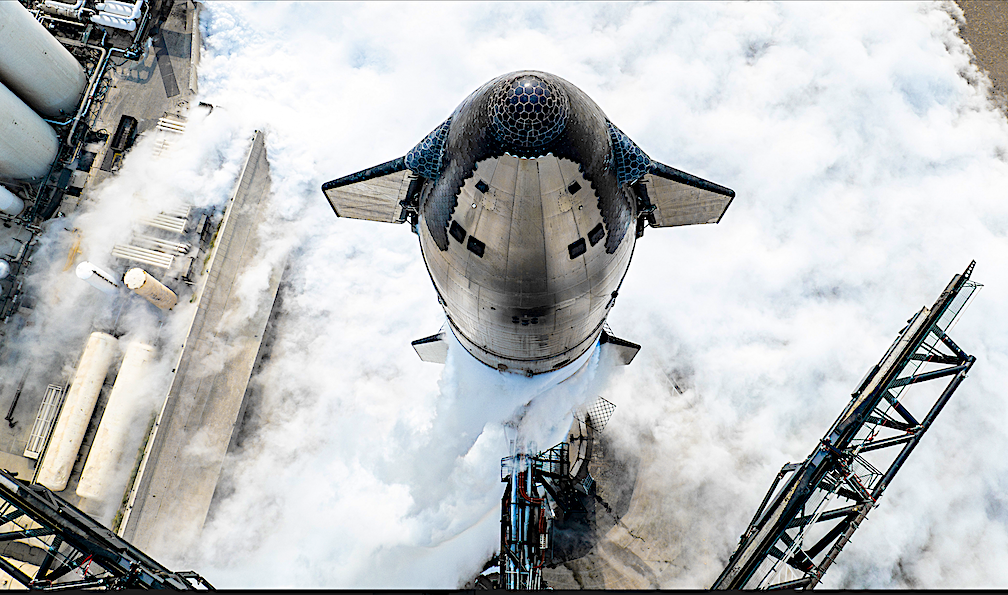
Starship and Super Heavy loaded with more than 10 million pounds of propellant in a rehearsal ahead of Flight 4. Launch is targeted as early as June 5.
“The FAA determined SpaceX met all safety, environmental, policy and financial responsibility requirements,” the Federal Aviation Administration (FAA), which oversees launch site safety, said in a statement.
Flight 4 will fly a similar trajectory as the previous flight test, with Starship targeted to splashdown in the Indian Ocean. This flight path does not require a deorbit burn for reentry, maximizing public safety while still providing the opportunity to meet our primary objective of a controlled Starship reentry.
To accomplish this, several software and hardware upgrades have been made to increase overall reliability and address lessons learned from Flight 3. The SpaceX team will also implement operational changes, including the jettison of the Super Heavy’s hot-stage following boostback to reduce booster mass for the final phase of flight.
The 400-foot-tall (122 meters) Starship has flown three times to date, in April 2023, November 2023 and March 14 of this year. The megarocket has performed better on each successive flight.
SpaceX Starship still on schedule for fourth flight test June 5
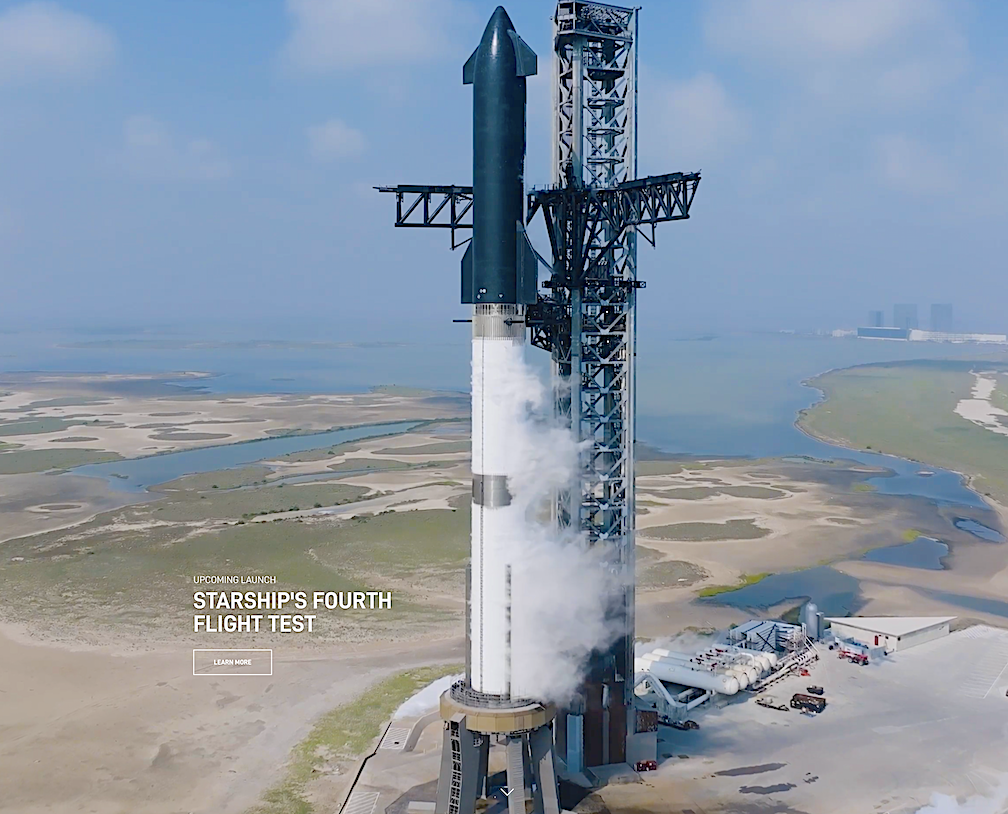
SpaceX is ready to launch their fourth flight test of Starship on June 5, after approval from the proper agencies.
“The fourth flight test turns our focus from achieving orbit to demonstrating the ability to return and reuse Starship and Super Heavy. The primary objectives will be executing a landing burn and soft splashdown in the Gulf of Mexico with the Super Heavy booster, and achieving a controlled entry of Starship.”
SpaceX said that if all goes right with Starship four, they may attempt to catch a returning 71-meter-tall booster back at the Starbase pad on the next Starship flight.
The goal of this fourth test flight is that with the hardware changes it will rapidly set its hot-staging adapter (a shielded ring that allows its second-stage engines to start up before its booster engines shut off) post-use. Tossing the ring will enable Starship to reduce the booster’s mass and increase its chances of nailing a controlled water landing on what SpaceX calls a “virtual tower.”
SpaceX may launch fourth flight test of Starship by June 5
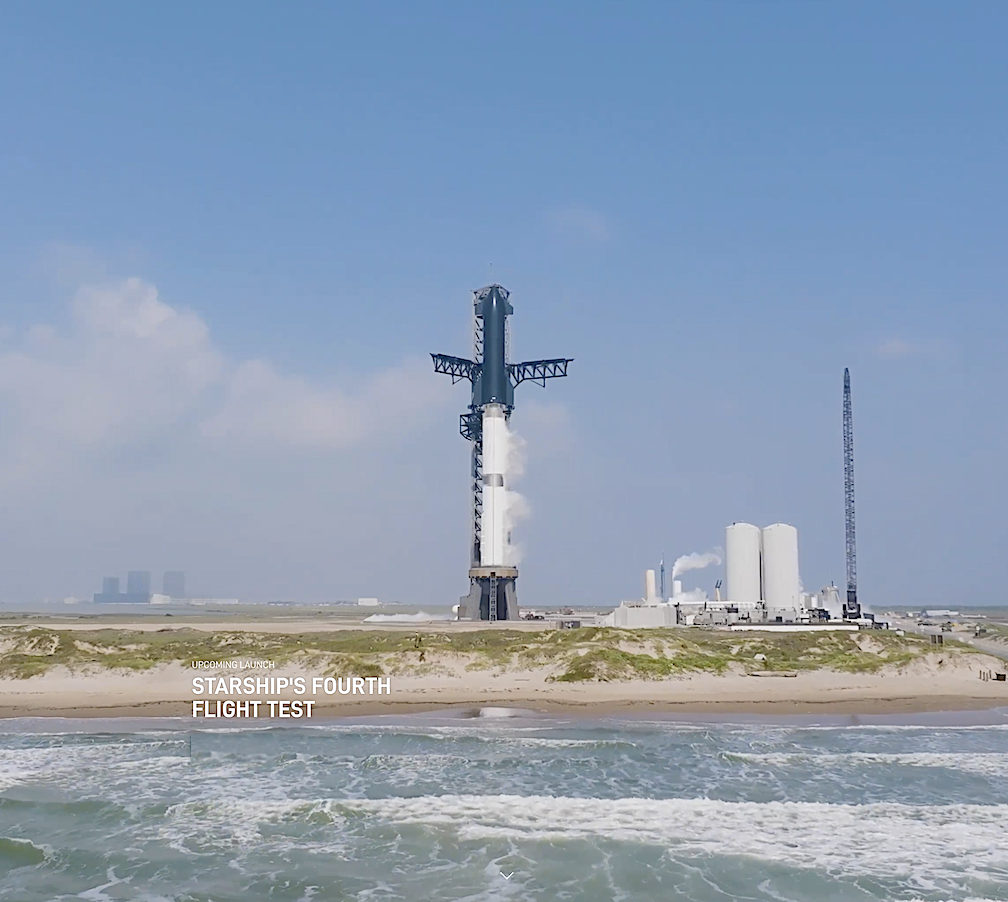
Life’s a beach
SpaceX is ready to send off Starship 4
The fourth flight test of Starship could launch as soon as June 5, pending an updated Federal Aviation Administration license and regulatory approval.
A live webcast of the flight test will begin about 30 minutes before liftoff, which you can watch here and on X @SpaceX. The launch window will open as early as 7 a.m. CT. As is the case with all developmental testing, the schedule is dynamic and likely to change, so be sure to stay tuned to our X account for updates.
Starship’s third flight test made tremendous strides towards a future of rapidly reliable reusable rockets. The test completed several exciting firsts, including the first Starship reentry from space, the first ever opening and closing of Starship’s payload door in space, and a successful propellant transfer demonstration.
This last test provided valuable data for eventual ship-to-ship propellant transfers that will enable missions like returning astronauts to the Moon under NASA’s Artemis program.
The fourth flight test turns our focus from achieving orbit to demonstrating the ability to return and reuse Starship and Super Heavy. The primary objectives will be executing a landing burn and soft splashdown in the Gulf of Mexico with the Super Heavy booster, and achieving a controlled entry of Starship.
To accomplish this, several software and hardware upgrades have been made to increase overall reliability and address lessons learned from Flight 3. The SpaceX team will also implement operational changes, including the jettison of the Super Heavy’s hot-stage following boostback to reduce booster mass for the final phase of flight.
Flight 4 will fly a similar trajectory as the previous flight test, with Starship targeted to splashdown in the Indian Ocean. This flight path does not require a deorbit burn for reentry, maximizing public safety while still providing the opportunity to meet our primary objective of a controlled Starship reentry.
The fourth flight of Starship will aim to bring us closer to the rapidly reusable future on the horizon. We’re continuing to rapidly develop Starship, putting flight hardware in a flight environment to learn as quickly as possible as we build a fully reusable transportation system designed to carry crew and cargo to Earth orbit, the Moon, Mars and beyond.
