

U.S. Space Forces Indo-Pacific (SPACEPAC) has deployed personnel and specialized technology to the Philippines for the annual Exercise Balikatan 2026, which commenced on April 20. The multinational exercise, scheduled to conclude on May 8, marks a significant expansion of space-based integration into joint U.S.-Philippine military operations.
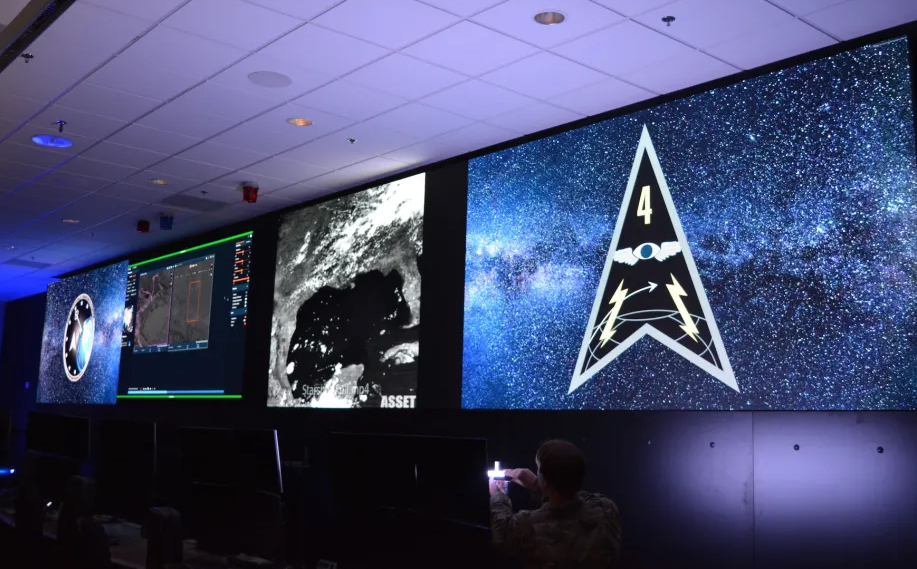
This year’s participation focuses on incorporating space domain awareness (SDA), theater missile warning, and satellite communications (SATCOM) into the territorial defense framework of the archipelago.
Tactical Integration of Space Control Systems
During the exercise, USSF personnel are operating alongside the Armed Forces of the Philippines (AFP) to validate the “kill web” functionality across the Indo-Pacific theater. Technical efforts include the deployment of mobile satellite communication terminals and the integration of theater missile warning data into Philippine command and control nodes.
These systems are designed to provide real-time situational awareness, ensuring that joint forces can detect and track potential aerial and maritime threats in contested environments. The exercise also tests the resilience of GPS and timing signals in simulated electronic warfare scenarios, a critical component for precision-guided munitions used by both nations.
Strengthening Regional Deterrence and Multi-Domain Readiness
The inclusion of space capabilities in Balikatan 2026 addresses the evolving threat environment in the South China Sea and Northern Luzon. By treating space as a functional component of joint operations rather than a support service, the U.S. and the Philippines aim to enhance combined readiness and regional deterrence.
Brig. Gen. Anthony Mastalir, Commander of U.S. Space Forces Indo-Pacific, noted that the integration of space domain awareness is vital for maintaining a free and open Indo-Pacific. The training aims to bridge the gap between traditional ground-based defense and the high-altitude sensors required for modern multi-domain warfare.
Schedule for Combined Field Training
As the exercise enters its final week, USSF units will participate in a series of live-fire demonstrations and maritime strike simulations. These concluding phases will test the ability of space assets to provide targeting data for long-range fires and naval maneuvers.
Following the completion of Balikatan on May 8, SPACEPAC is expected to conduct a formal after-action review with Philippine counterparts to identify requirements for permanent space-based infrastructure and future training objectives in the region.
