

On August 17, 2026, Ukrainian forces executed a long-range missile strike against the Progress Rocket Space Centre in Samara, Russia, damaging production facilities used to manufacture launch vehicles and hardware for Moscow’s satellite internet network.
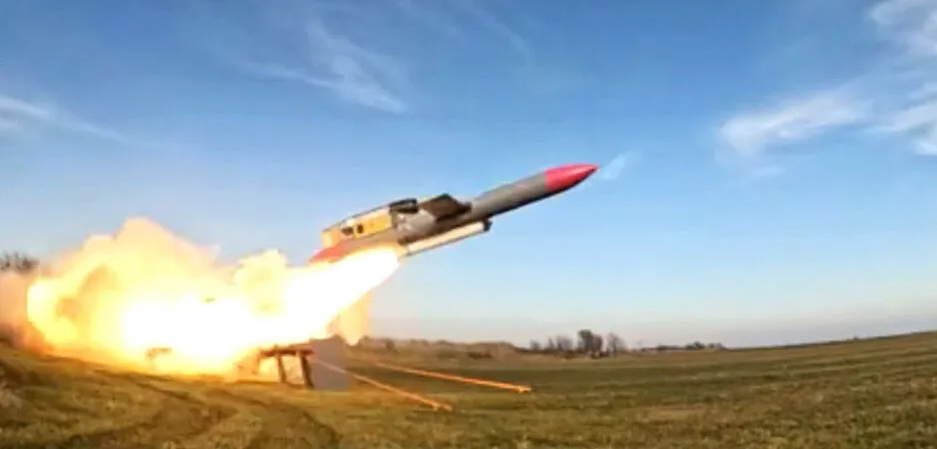
Ukrainian President Volodymyr Zelensky confirmed that domestically produced Flamingo cruise missiles targeted the complex—located approximately 900 kilometers (560 miles) from the Ukrainian border—to disrupt industrial infrastructure supporting Russia’s military communications and orbital launches.
The facility in Samara serves as a primary manufacturing site for Soyuz launch vehicles, which deploy spacecraft for the Russian space agency Roscosmos and commercial entities.
Strategic Context and Rassvet Constellation Production History
The strike targets the production backbone of the Rassvet Low Earth Orbit (LEO) satellite broadband network, managed by Russian aerospace firm Bureau 1440 as a sovereign alternative to SpaceX’s Starlink. The network is designed to provide high-speed, low-latency tactical communications for Russian military units alongside civilian end-users.
The attack impacts a program already navigating manufacturing delays. As previously reported, production shortfalls pushed initial Rassvet deployment targets into 2026 following component assembly obstacles. Despite early delays, Bureau 1440 executed an orbital deployment in late March 2026, placing 16 operational satellites into low Earth orbit as part of Russia’s effort to replace Western satellite connectivity.
Facility Damage and Industrial Operations Impact
According to statements from Ukraine’s General Staff and local officials in the Samara region, the nighttime missile impact triggered fires across the industrial site, with emergency services operating at the facility hours after the strike.
The loss of manufacturing tooling or rocket assembly lines at the Samara plant threatens to delay scheduled Soyuz launch manifests for late 2026 and 2027, restricting Russia’s capacity to deploy replacement satellites for its LEO communications network.
Orbital Constellation and Supply Chain Disruption
The targeted disruption of the Progress Rocket Space Centre creates additional bottlenecks for Russia’s national “Data Economy” program, which aimed to deploy more than 250 Rassvet satellites by 2027. With local manufacturing infrastructure damaged and international trade sanctions limiting access to foreign microelectronics, Bureau 1440 faces sustained obstacles in scaling its low Earth orbit broadband footprint.
