

The NASA fiscal year 2027 budget proposal, released on April 6, 2026, reveals a stark strategic pivot spearheaded by NASA Administrator Jared Isaacman.
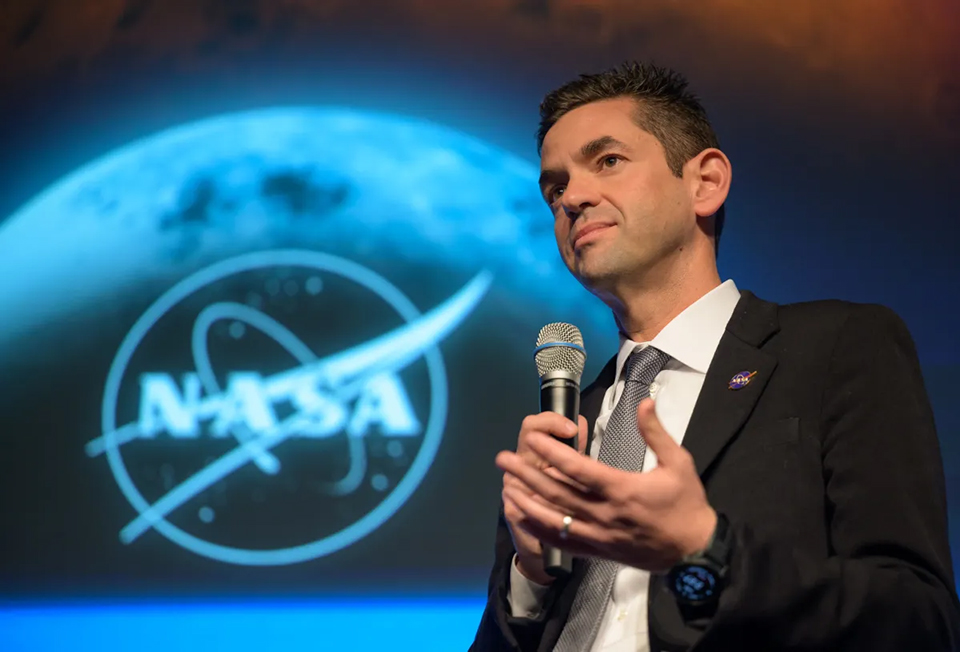
A former commercial astronaut and founder of Shift4, Isaacman is now applying his “mission-first” entrepreneurial philosophy to the federal agency, attempting to protect the Artemis lunar program amid a tightening fiscal environment. Under his guidance, NASA is pushing to maintain its 2028 target for a sustainable human presence on the Moon despite a proposed budget of 25.2 billion dollars—a functional 25% reduction in deep-space exploration purchasing power compared to 2024 levels.
This “budget math” relies heavily on the aggressive “commercialization of everything,” shifting the financial burden of hardware development from the government to private partners like SpaceX and Blue Origin.
To preserve the timeline for Artemis IV and V, the budget proposal enacts deep, controversial cuts to NASA’s Science Mission Directorate. Several flagship robotic missions and Earth science programs have been delayed or cancelled to redirect approximately 2.4 billion dollars toward the Human Landing System and the development of the Lunar Gateway. This shift has drawn sharp criticism from the broader scientific community, who argue that sacrificing long-term climate and planetary research for short-term lunar milestones risks hollowing out the agency’s foundational expertise.
The Aerospace Industries Association noted that the 2027 budget also signals the beginning of the end for the traditional “cost-plus” model of the Space Launch System (SLS). NASA is increasingly looking toward the Starship and New Glenn launch systems to handle heavy-lift logistics, aiming to reduce the per-launch cost of lunar missions by nearly 40%. By transitioning to “service-based” contracts—where NASA pays for a ride or a delivery rather than owning the rocket—the agency hopes to bridge the quarter-billion-dollar funding gap through sheer operational efficiency.
This fiscal reorganization is viewed by industry analysts as the most significant restructuring of NASA’s priorities since the end of the Space Shuttle program. It forces a transition into a “cislunar economy” where the government acts as one of many customers in a competitive marketplace. While the strategy carries the risk of mission delays if commercial partners fall behind, the 2027 budget makes it clear that NASA is betting its entire future on the idea that private sector speed can compensate for public sector austerity.
