

On Sept. 23, 2026, Chinese commercial launch startup Space Epoch finalized a B++ financing round, bringing its total Series B capital raised over the past six months to more than 2.3 billion yuan ($343 million).
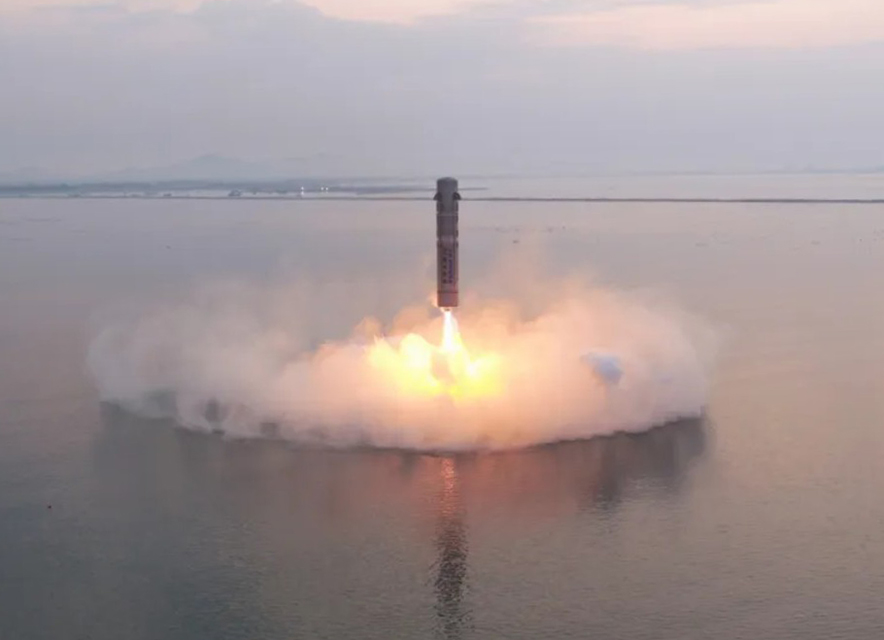
The growth capital will finance flight support operations, stage recovery verification tests, and commercial payload delivery infrastructure for the company’s inaugural orbital launch campaign.
Launch Vehicle Specifications and Structural Architecture
The funding directly supports the qualification and assembly of Space Epoch’s flagship launch vehicle, the Yuanxingzhe-1.
Engineered as a reusable medium-lift rocket, the 4.2-meter-diameter launch vehicle utilizes a stainless steel airframe constructed to withstand thermal stress during atmospheric re-entry. The platform uses methane-liquid oxygen (methalox) propellants, offering reduced soot accumulation to support rapid engine refurbishment between operational launches.
Yuanxingzhe-1 is rated to deliver up to 13,800 kilograms of payload into low Earth orbit (LEO) in a fully expendable configuration, while supporting propulsive vertical landing recovery operations for the first-stage booster.
Commercial Launch Market Capitalization
The closing of the Series B extension reflects sustained capital investment across China’s private launch industry as commercial operators race to deploy low Earth orbit satellite constellations. Capitalizing reusable launch vehicles requires significant upfront investment in engine test stands, stainless steel fabrication facilities, and offshore recovery platforms.
By securing $343 million in private equity funding, Space Epoch positions itself alongside established domestic commercial launch providers attempting to lower per-kilogram orbital delivery costs through propulsive booster recovery.
Maiden Flight Schedule
Space Epoch is completing structural qualification tests and engine static fire trials at its primary assembly facility. The company targets completing the maiden orbital flight and initial recovery verification campaign of the Yuanxingzhe-1 rocket by the end of 2026.
