

On Sept. 18, 2026, industry reports confirmed that an engine turbopump anomaly detected during August ground evaluations has constrained the flight launch schedule for Europe’s Ariane 6 heavy-lift launch vehicle.
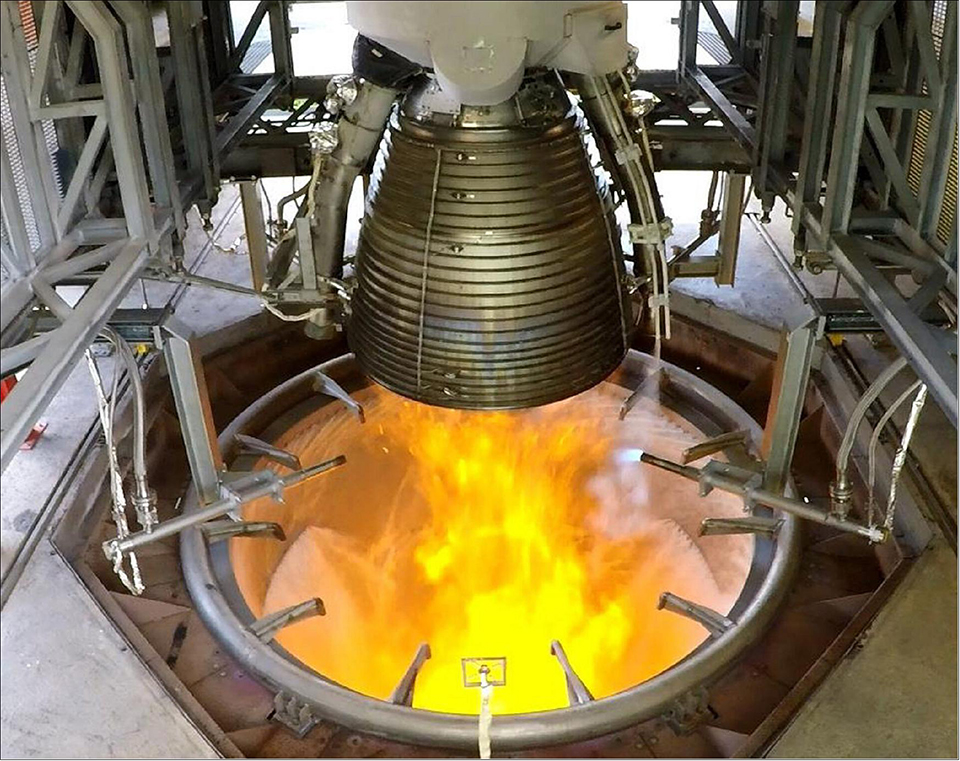
As a result of necessary technical inspections and potential component remediation, launch operator Arianespace will miss its original baseline target of eight Ariane 6 flights in 2026, capping total missions for the year at six or fewer.
Program Flight History and Launch Manifest Context
The Ariane 6 launch system has completed four operational missions in 2026 to date. The vehicle’s most recent launch occurred on Aug. 27, 2026, when an Ariane 6 configuration successfully delivered the European Organisation for the Exploitation of Meteorological Satellites (Eumetsat) MTG-I2 weather satellite into Geostationary Transfer Orbit (GTO).
Prior to the discovery of the turbopump issue, Arianespace had planned a steep industrial ramp-up throughout 2026 to clear a commercial and institutional launch backlog accumulated during Europe’s transition from the retired Ariane 5. The reduction from eight planned flights to five or six highlights ongoing operational hurdles as European manufacturing primes scale serialized rocket production across suppliers in France, Germany, and partner European Space Agency (ESA) member nations.
Technical Anomaly Analysis and Remediation Engineering
The technical issue involves a turbopump component within the rocket’s propulsion stage detected during post-flight inspections and ground testing sequences. Engineering teams from manufacturer ArianeGroup and engine supplier Safran are evaluating whether corrective maintenance can be performed on-site at the Guiana Space Centre in Kourou, French Guiana, or if the affected hardware requires a complete turbopump replacement.
- Affected System: Liquid rocket engine turbopump assembly
- Detection Date: August 2026 ground inspection cycle
- Primary Launch Facility: Guiana Space Centre (Kourou, French Guiana)
- Revised Operational Target: One to two additional launches in late 2026, bringing total annual flights to five or six
An on-site repair at the Kourou launch pad would allow launch crews to preserve the current late-2026 flight schedule. Conversely, if engineers determine that the turbopump unit must be uninstalled and returned to European manufacturing facilities for re-qualification, the upcoming mission manifest will experience additional schedule slips into early 2027.
Global Heavy-Lift Launch Market Dynamics
The operational delay for Ariane 6 coincides with a broader capacity bottleneck across the international launch market. Commercial launch availability has tightened significantly as SpaceX halts new commercial reservation bookings for its Falcon 9 rocket to reserve manifest capacity for internal Starlink deployments, NASA missions, and U.S. Space Force national security payloads.
The combination of limited Falcon 9 commercial availability and Ariane 6 manifest delays has left commercial satellite operators with few alternative flight options. Regional launch providers, such as Italian rocket builder Avio, report an influx of commercial satellite developers seeking alternative launch slots aboard smaller vehicles or dual-manifest missions to preserve their orbital deployment schedules.
Remediation Schedule and Manifest Outlook
ArianeGroup and Arianespace technical safety boards will conclude their engineering assessment of the turbopump hardware in the coming weeks to determine the final repair path. Once the propulsion subsystem is cleared for flight, launch operations in Kourou will resume to complete the fifth and potentially sixth Ariane 6 missions before the close of 2026.
