

Addressing increasing low Earth orbit (LEO) congestion and collision risks, SpaceX has opened its “Stargaze” Space Situational Awareness (SSA) and conjunction screening platform to external satellite operators on August 25, 2026.
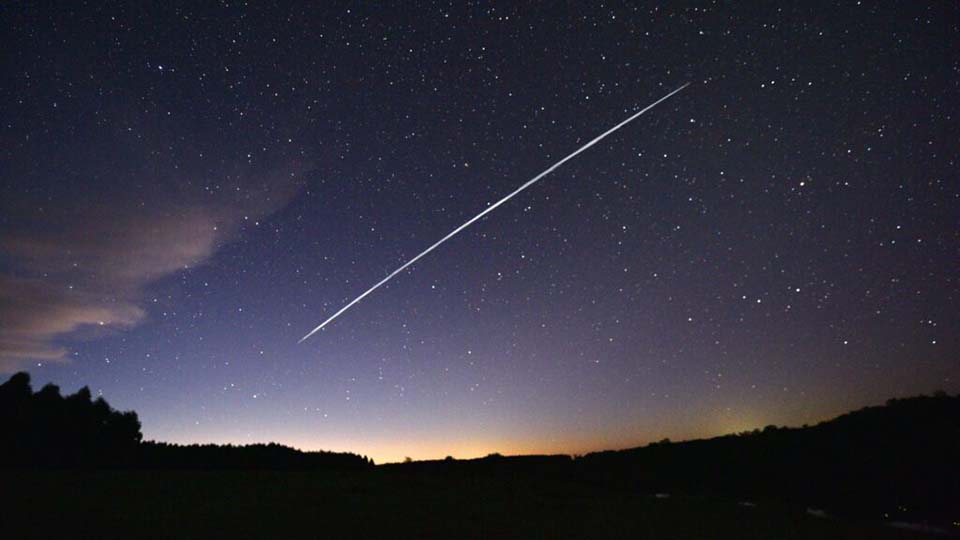
The free service utilizes the optical star tracker sensors across SpaceX’s active Starlink constellation to provide near-real-time orbital tracking, automated conjunction warnings, and flight-safety data sharing.
Platform Architecture and Sensor Network Specifications
Traditional ground-based SSA systems rely on radar networks and optical telescopes that observe active spacecraft and debris objects only a few times per day, introducing positional uncertainties during orbital propagation. Stargaze replaces intermittent ground tracking with an orbital sensor mesh embedded directly on operational Starlink satellites.
Key technical parameters of the Stargaze SSA architecture include:
- Distributed Optical Network: Repurposes approximately 30,000 optical star trackers onboard Starlink spacecraft as space-based SSA sensors.
- Observation Frequency: Captures approximately 30 million satellite and debris object transits daily across LEO shells.
- Data Processing Latency: Generates updated Conjunction Data Messages (CDMs) and delivers screening results within minutes of transit detection.
- Third-Party Maneuver Detection: Identifies uncoordinated or unannounced maneuvers executed by non-cooperative spacecraft, enabling automated collision avoidance calculations.
Program Development and Institutional Framework
The operational rollout of Stargaze builds upon SpaceX’s initial unveiling of its space traffic management platform in February 2026. The platform builds on research conducted under a Cooperative Research and Development Agreement (CRADA) between NOAA, the Office of Space Commerce, and SpaceX to develop automated collision avoidance protocols for commercial satellite fleets.
To access the service, external operators submit operational ephemerides—including precision GPS position telemetry and planned maneuver schedules—to the Stargaze data portal. SpaceX cross-screens customer trajectories against its internal object catalog and Starlink fleet ephemerides, generating automated conjunction warnings without charging service fees.
Orbital Debris Mitigation and Safety Rationale
The expansion of commercial mega-constellations and rocket upper stages in low Earth orbit has escalated the probability of orbital fragmentation events and close approaches. Ground-based radar networks often face tracking delays during solar storms or high-atmospheric drag events, which alter satellite trajectories unpredictably.
By offering low-latency space-based conjunction screening, SpaceX aims to lower barriers to flight safety data for smallsat and CubeSat operators who lack dedicated SSA budget lines. Providing real-time warning data helps prevent uncoordinated close approaches that threaten low Earth orbit infrastructure.
Strategic Space Traffic Management Outlook
As civil agencies such as the U.S. Department of Commerce transition civil space situational awareness from military tracking networks to commercial systems like the Traffic Coordination System for Space (TraCSS), Stargaze creates a commercial baseline for peer-to-peer data sharing. SpaceX plans to continue integrating external customer trajectory feeds into Stargaze, establishing an automated space traffic management network driven directly by space-based optical surveillance.
