

On August 24, 2026, speaking at the Evercore Partners TMT Global Conference, T-Mobile Chief Financial Officer Peter Osvaldik addressed the structural limitations of direct-to-device (D2D) satellite architectures.
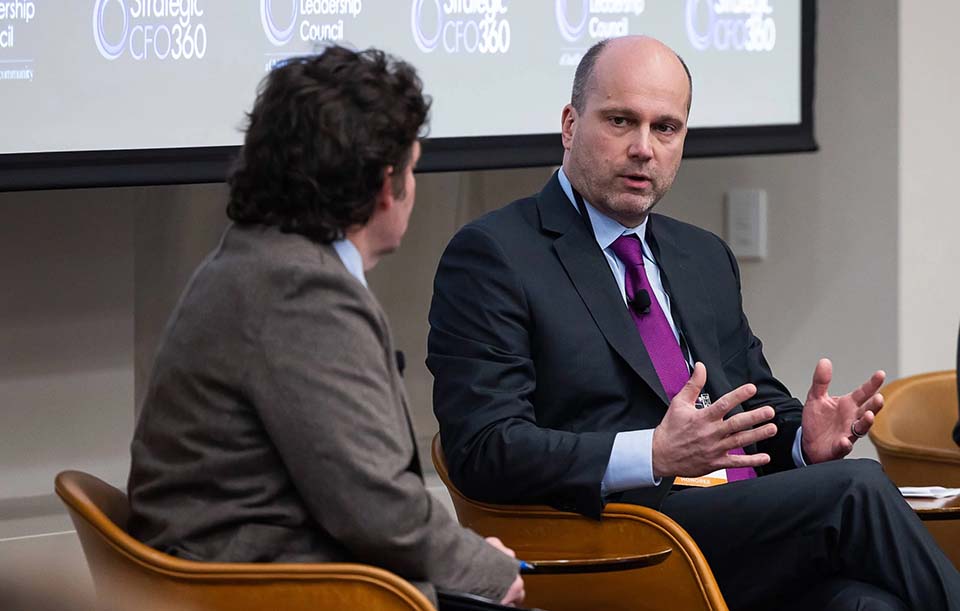
In response to queries from Evercore analyst Kutgun Maral regarding whether orbital operators can compete directly with terrestrial mobile network operators (MNOs), Osvaldik stated that physical signal attenuation and beam capacity constraints prevent satellites from replacing ground tower networks.
Physical Signal Attenuation and Capacity Constraints
Addressing low Earth orbit (LEO) satellite link dynamics, Osvaldik outlined how open-signal path loss limits orbital power delivery. Operating at minimum LEO altitudes of approximately 350 kilometers to avoid atmospheric drag, satellite signals experience inverse-square signal decay over distance.
This power loss prevents orbital beams from consistently penetrating indoor environments, modern glass, and vehicle structures where users consume 70 percent of mobile data. In addition to RF path loss, satellite beam spot sizes present capacity bottlenecks. Osvaldik noted that next-generation direct-to-cell beams covering areas multiple times the size of Manhattan are limited to supporting approximately 10 concurrent outdoor broadband users per beam, making urban mobile replacement unfeasible.
Commercial Partnership and Network Utilization Context
The executive comments follow T-Mobile’s rollout of space-based text and emergency alert services powered by SpaceX’s Starlink constellation. While SpaceX expands its direct-to-cell satellite fleet, T-Mobile views orbital connectivity as an auxiliary layer for remote coverage gaps.
Network telemetry data cited by Osvaldik showed that D2D satellite traffic accounted for 0.002 percent of overall T-Mobile network traffic during the preceding week. The metric underscores that satellite links function primarily as a safety net in unserved rural regions, national parks, and maritime zones where terrestrial tower deployment is economically unviable.
Strategic Market Outlook
T-Mobile expects satellite direct-to-cell technology to remain an additive feature for premium rate plans and enterprise offerings rather than a standalone threat to terrestrial infrastructure. As mobile operators integrate satellite coverage into consumer rate tiers, terrestrial 5G and 6G cell sites will continue to carry the vast majority of mobile data traffic across urban and suburban markets.
