

SPARC AI Inc. announced on March 25, 2026, the appointment of an on-ground referral agent based in Ukraine to strengthen the company’s commercial ties with local defense stakeholders. This strategic move is intended to speed up the deployment of the Overwatch platform, which specializes in GPS-denied navigation and target acquisition, within the highly contested Ukrainian operational theater.
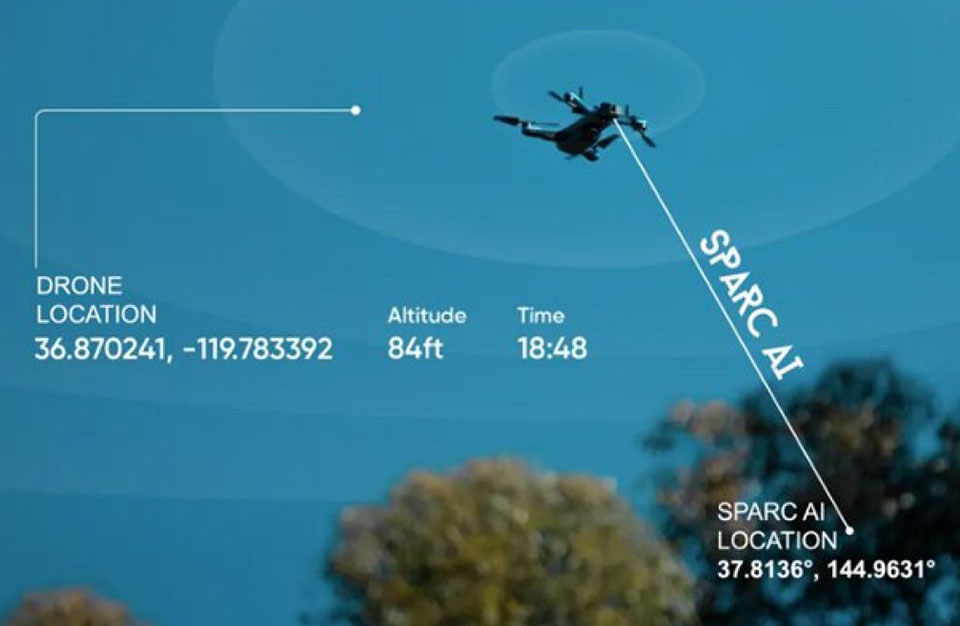
The newly appointed agent maintains direct, established relationships with active defense personnel in-country. This provides SPARC AI with localized intelligence and access that would be difficult to achieve through remote operations. The agreement is structured as a non-exclusive arrangement, designed to work alongside the company’s existing partnerships and its ongoing drone testing program in the region.
The Overwatch platform by SPARC AI is specifically engineered to provide AI-enabled position assurance and targeting in environments where GPS signals are jammed, spoofed, or otherwise degraded. Because electronic warfare remains a pervasive challenge in the current conflict, the Ukrainian theater serves as a critical real-world testing ground for these capabilities.
The referral agent’s primary focus will be identifying and facilitating introductions to procurement personnel and operational units currently evaluating autonomous technology for immediate use. All potential engagements resulting from this partnership will remain subject to the company’s standard commercial processes, compliance frameworks, and international export control requirements.
According to SPARC AI, this appointment is a key part of its broader international expansion as it moves from technical validation toward active commercial agreements. Due to the sensitivities and operational security requirements of the Ukrainian defense environment, the company noted it cannot provide specific identifiable details regarding the agent or their specific military contacts.
Based in Vancouver, British Columbia, SPARC AI focuses on software-based solutions that transform standard inertial sensors in commercial drones into precision navigation instruments. This approach allows for GPS-denied capabilities without the need for additional hardware or external signals, making the technology scalable for large drone fleets.
