

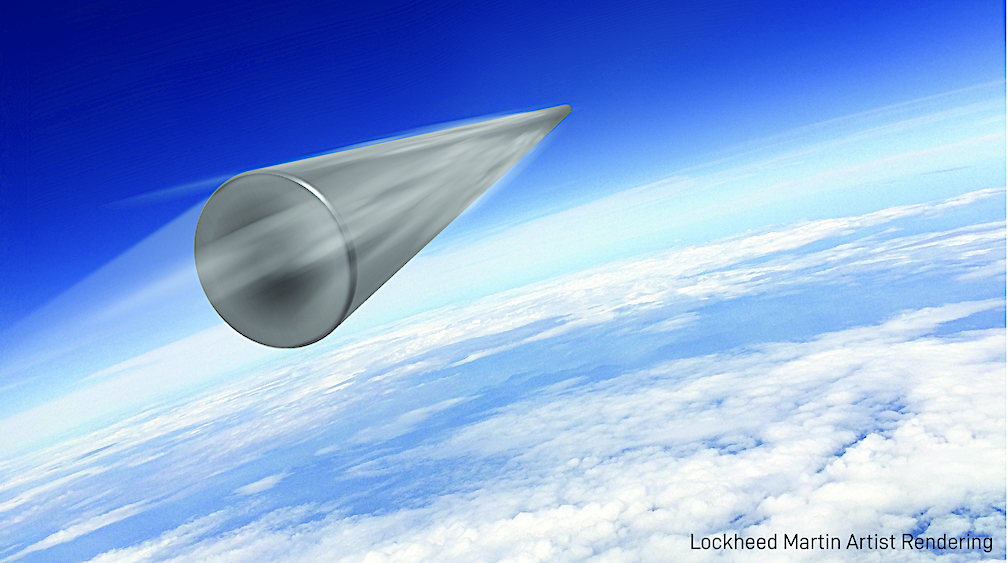


The U.S. Air Force and Lockheed Martin [NYSE: LMT] conducted a planned flight test of the unarmed, developmental Mk21A reentry vehicle in the Pacific Ocean on June 17.
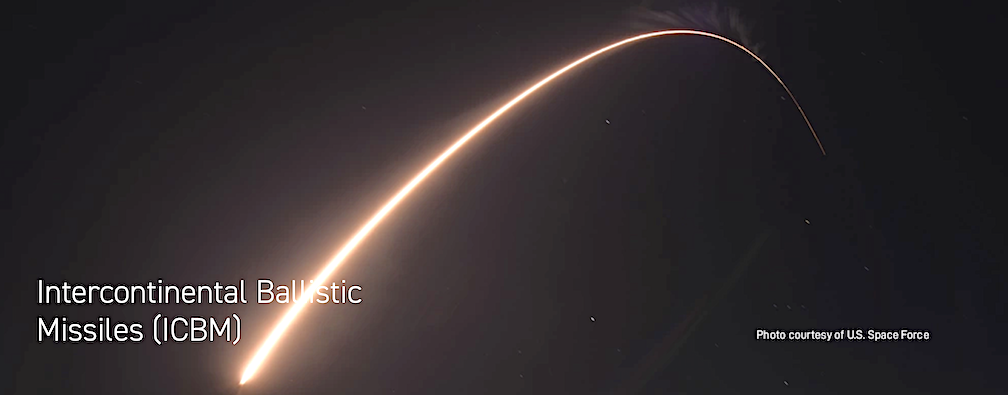
This flight test on Monday evening from Vandenberg Space Force Base in California, tested Lockheed Martin’s Mk21A design components and technologies for the vehicle. It also continues Lockheed Martin’s leadership and expertise in developing effective and reliable reentry vehicle technology.
The Mk21A RV is currently under contract with Lockheed Martin for its engineering and manufacturing development phase. After attaining full operational capability, the Mk21A RV will be integrated on the nation’s intercontinental ballistic missile weapon system. The Mk21A program is in early development overseen by the Air Force Nuclear Weapons Center.
The next generation of deterrence.
Mk21A is the U.S. Air Force’s integrated reentry vehicle and the critical front-end of the service’s future intercontinental ballistic missile (ICBM) weapon system.
“The Mk21A RV is crucial to addressing the rapidly changing global threat picture,” said Brig. Gen William Rogers, Air Force program executive officer for ICBMs. “Its continued development and deployment will ensure a safe, secure and effective deterrent force for the foreseeable future.”
The Air Force Nuclear Weapons Center is the lead for the Department of the Air Force’s Mk21A RV acquisition effort. AFNWC is responsible for synchronizing all aspects of nuclear materiel management on behalf of the Department of the Air Force. Headquartered at Kirtland Air Force Base, New Mexico, the center has more than 2,000 military and civilian personnel assigned to 20 locations worldwide.
“This progress is built on a strong foundation — Lockheed Martin’s 65-plus years of demonstrated exceptional performance in reentry technologies and a pioneering digital engineering approach on this program from its beginning,” said Jay Watson, vice president of Strategic Reentry at Lockheed Martin. “We remain focused on delivering this capability for the warfighter as a trusted partner to the U.S. Air Force for ICBM reentry systems and modernization of the deterrent triad.”
This testing is done through Lockheed Martin’s Engineering and Manufacturing Development contract with the Air Force Nuclear Systems Center. Data collected during the event will further inform Mk21A design and future flight test activities. The company’s Mk21A program is on-schedule.
Lockheed Martin is maturing its Mk21A design, which includes the arming and fuzing subsystem and support equipment, using advanced digital engineering tools, including advanced modeling and simulation. This allows for efficiency in schedule, reduced cost and risk, and increased confidence in system performance.
