

LONDON, UK — On June 29, 2026, British Earth observation company SatVu announced the formal Start of Commercial Operations for its HotSat-2 imaging satellite. This milestone marks the transition of the company’s hardware from a technology demonstration phase to routine, taskable data delivery. SatVu is now actively providing mid-wave infrared (MWIR) thermal intelligence products to global customers across the defense, intelligence, economic monitoring, and climate resilience sectors.
Spacecraft Specifications and Constellation Capabilities
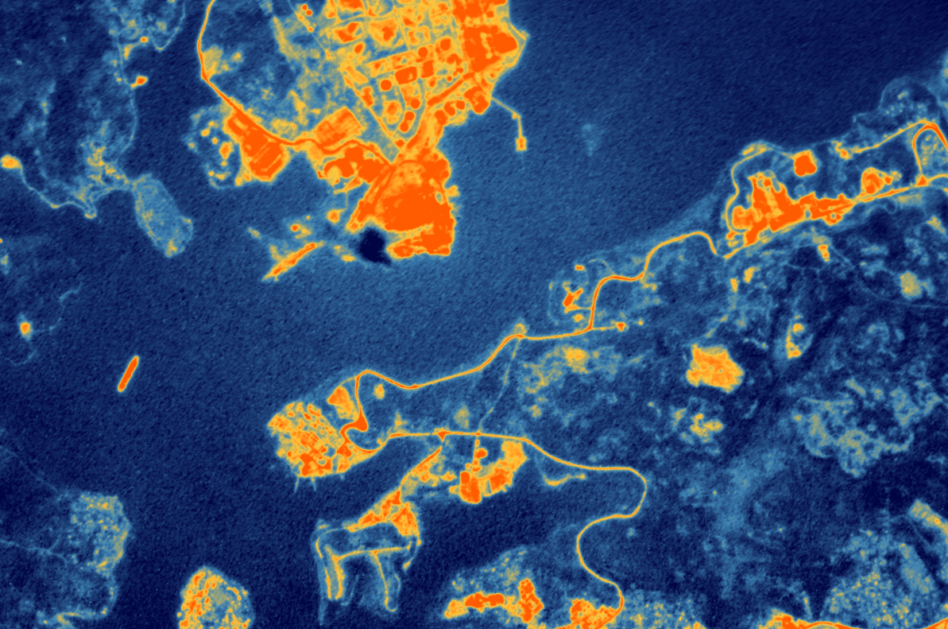
HotSat-2 delivers space-based commercial thermal intelligence with a market-leading spatial resolution of 3.5 meters. Operating in both daytime and nighttime conditions, the satellite captures high-fidelity temperature signatures of human and industrial activity, resolving detailed infrastructure metrics rather than regional heat blobs. The data is processed into static imagery and thermal video clips lasting up to 60 seconds, which allows analytical engines to establish operational baselines, track utilization trends, and monitor critical asset performance.
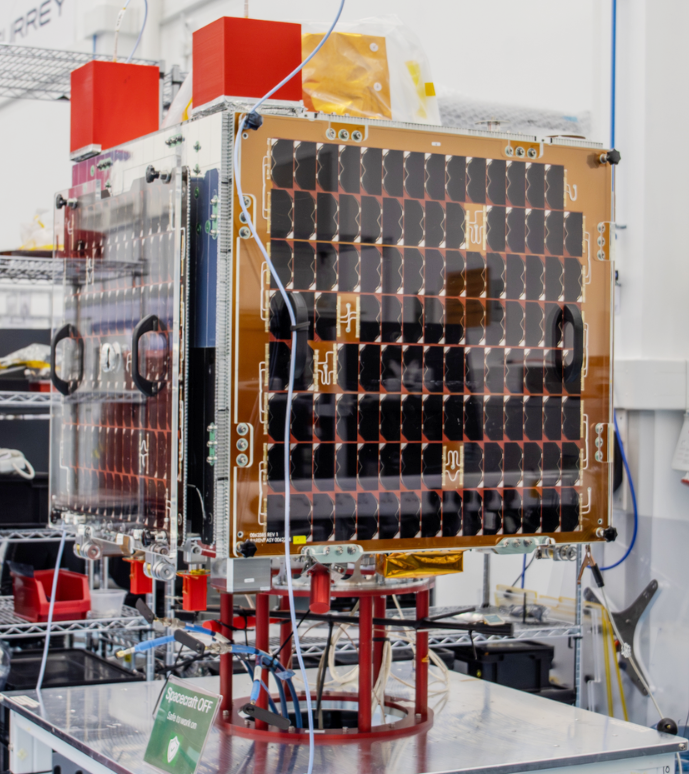
This operational entry follows the spacecraft’s successful deployment in March 2026 aboard a SpaceX Falcon 9 Transporter rideshare mission. HotSat-2 expands on the initial space assets demonstrated during the company’s HotSat-1 campaign in late 2023. To further scale collection capacity, SatVu recently integrated backing from the NATO Innovation Fund in February 2026, bringing its total equity funding to £60 million ($80 million).
Production Roadmap and Commercial Scaling
As part of its commercial rollout, SatVu is expanding its integration footprint through enterprise services and strategic distribution networks. The company has secured a commercial agreement with aerospace contractor Kongsberg to supply thermal data for geospatial and intelligence applications.
Under the leadership of Chief Executive Officer Anthony Baker and Chief Technology Officer Scott Herman, SatVu is advancing its space architecture toward a multi-satellite configuration. The company remains on schedule to launch its next asset, HotSat-3, later this year. Over the next two to three years, the firm intends to deploy a full constellation comprising 10 or more satellites, which will lower revisit times and support up to 20 daily observations over high-value strategic targets globally.
