

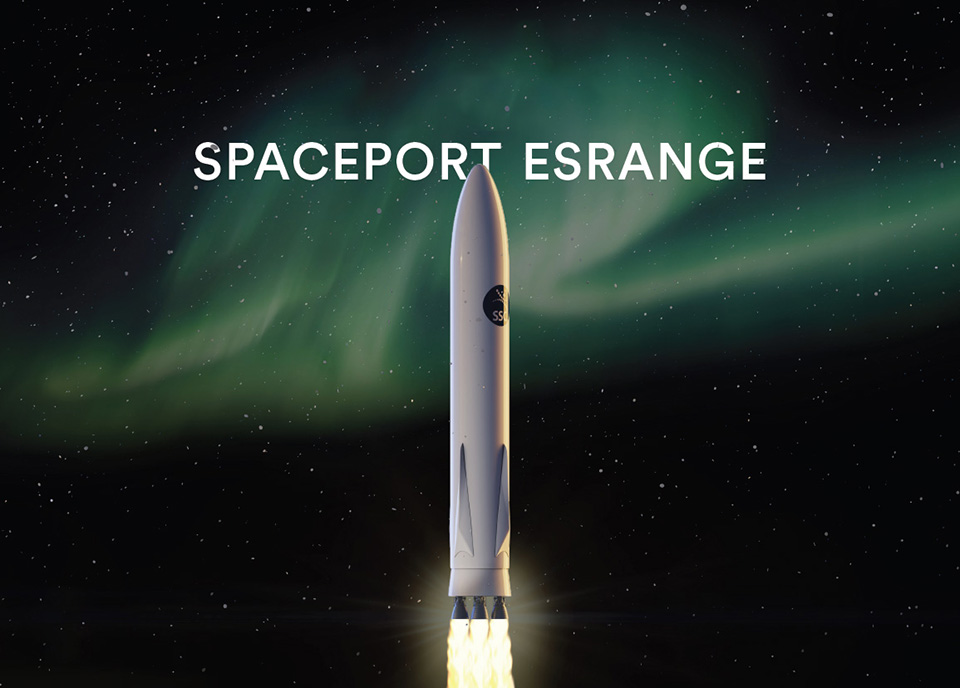
SSC Space successfully launched its SubOrbital Express-5 sounding rocket from the Esrange Space Center in northern Sweden. Lifting off at 6:33 a.m. UTC, the vehicle reached an altitude of 260 kilometers, providing twelve international scientific projects with more than six minutes of microgravity.
Launching International Research
As the seventeenth mission of the SubOrbital Express program since 1987, this launch was heavily supported by the European Space Agency, which funded several of the onboard experiments. Program Manager Stefan Krämer noted that the experiment modules were developed over three years in collaboration with international researchers to unlock insights into physical, biological, and medical processes that are impossible to replicate under standard Earth conditions.
Advancing Space Medicine and Materials
The flight carried a diverse array of scientific payloads designed to drive advancements in both spaceflight and terrestrial industries. Key experiments included:
- XRMON Mg-μg: Conducted by University College Dublin, this material science experiment utilized a micro-focus X-ray to study the crystal formation and composition changes of magnesium alloys in microgravity, aiming to develop lightweight materials for transport and bioresorbable medical implants.
- CARISPACE: A joint effort between the Ministry of Education of St. Kitts and Nevis and the UZH Space Hub in Switzerland, this biological payload investigated how microgravity modulates the genome architecture of human immune cells to better understand astronaut health during long-duration spaceflight.
- SATypus ONE: Run by the QUT Aerospace Society in Brisbane, Australia, this experiment used dual gamma-ray spectrometers to test the radiation shielding properties of modified basalt fiber composites, which could eventually be used to construct lunar habitats from in-situ resources.
- SPARK-01: Developed by Munich-based SPARK Microgravity, this oncology payload validated an end-to-end autonomous workflow for preparing and operating cancer biology samples in flight, marking a critical step for future space-based cancer research.
A Platform for Breakthroughs
The successful retrieval of these payloads will allow researchers across nine countries to analyze the effects of weightlessness on their respective subjects. The data gathered during these six minutes of microgravity could translate into significant breakthroughs, from improving clinical cancer models to designing safer, more resilient habitats for future deep-space exploration.
