

On April 2, 2026, Los Angeles-based space systems developer Fortastra Corporation announced the appointment of three high-profile industry veterans to its leadership team. The move is a strategic play to accelerate the development of “mission-ready” space systems specifically designed for contested environments and national security operations.
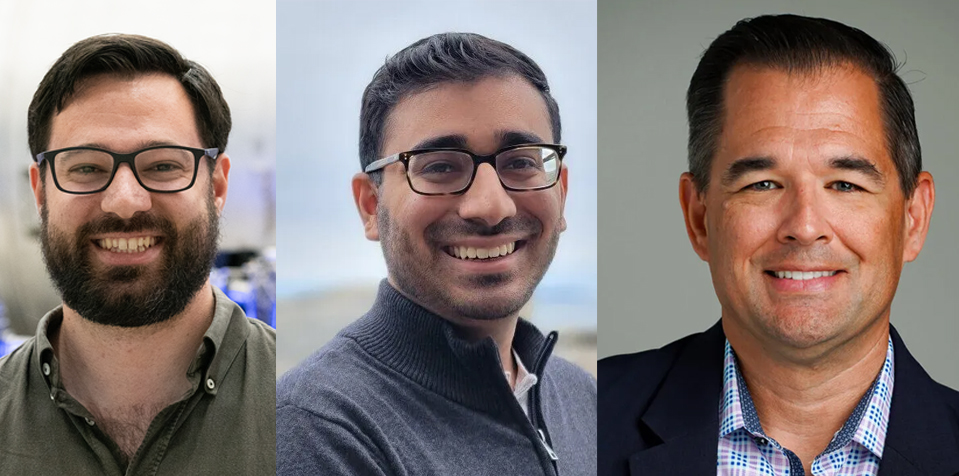
The new appointments bring together expertise from disruptive aerospace startups and established defense institutions, positioning Fortastra as a key player in the next generation of orbital defense.
New Leadership Appointments
- Josh Jetter, Chief Technology Officer: Jetter joins from Relativity Space, where he served as Senior Director of Avionics. His extensive background includes engineering leadership roles at Momentus Space and SpaceX, where he contributed to the early development of Starlink hardware. At Fortastra, he will oversee the entire engineering lifecycle, from design to orbital operations.
- Sahil Desai, Vice President of Product: A former Intelligence Community Officer, Desai brings a unique blend of national security and commercial scaling experience. He previously established the program management function at the hypersonics firm Hermeus and most recently led aerospace and defense programs at Divergent Technologies.
- Arnold Nowinski, Vice President of People: Nowinski brings over 25 years of experience in civil and defense human resources. He previously served as Vice President and General Manager at Astrion, where he managed a massive team of over 250 scientists and engineers supporting NASA and U.S. Space Force programs.
Strategic Context and Mission Focus
Fortastra is a relatively new entrant in the space sector, having been founded in 2025 and headquartered in Torrance, California. The company recently closed a seed financing round of over 8 million dollars, led by Upfront Ventures with participation from Bloomberg Beta and Forward Deployed VC.
The company’s core mission is the development of “intelligent spacecraft” capable of maneuvering, assessing, and taking action to protect critical space infrastructure. This focus aligns with current U.S. Space Force priorities for “Dynamic Space Operations”—the ability of satellites to move freely and defend themselves rather than remaining in fixed, vulnerable orbits.
Industry Implications
“Modern space missions demand advanced technologies that are operationally ready,” said Sahil Desai during the announcement. This sentiment reflects a broader industry shift toward “proliferated” and “attritable” space architectures, where smaller, smarter, and more numerous satellites provide resilience against adversary interference.
By recruiting leaders who have scaled major commercial projects like Starlink and high-stakes defense programs like those at Hermeus, Fortastra is signaling its intent to bridge the gap between rapid commercial innovation and the rigorous requirements of the Department of Defense and the Intelligence Community.
