


A massive geomagnetic super-storm in May of 2024 gave scientists an unprecedented look at how Earth’s plasma shield collapses and slowly rebuilds under extreme solar pressure.
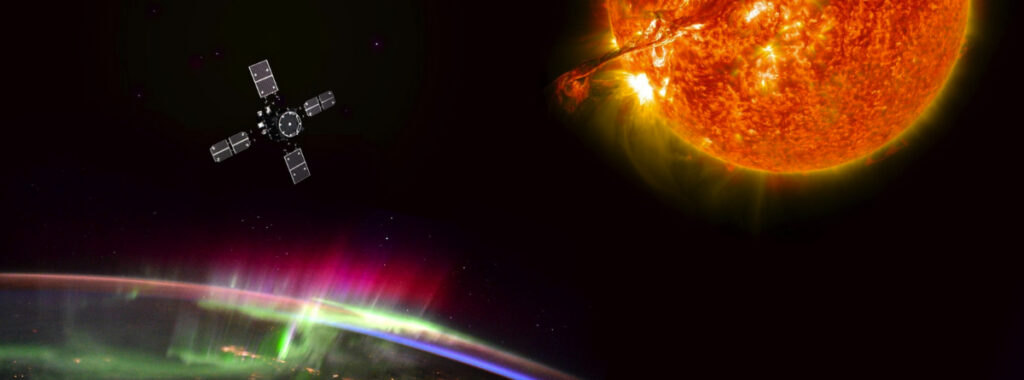
Credit: Institute for Space-Earth Environmental Research (ISEE), Nagoya University
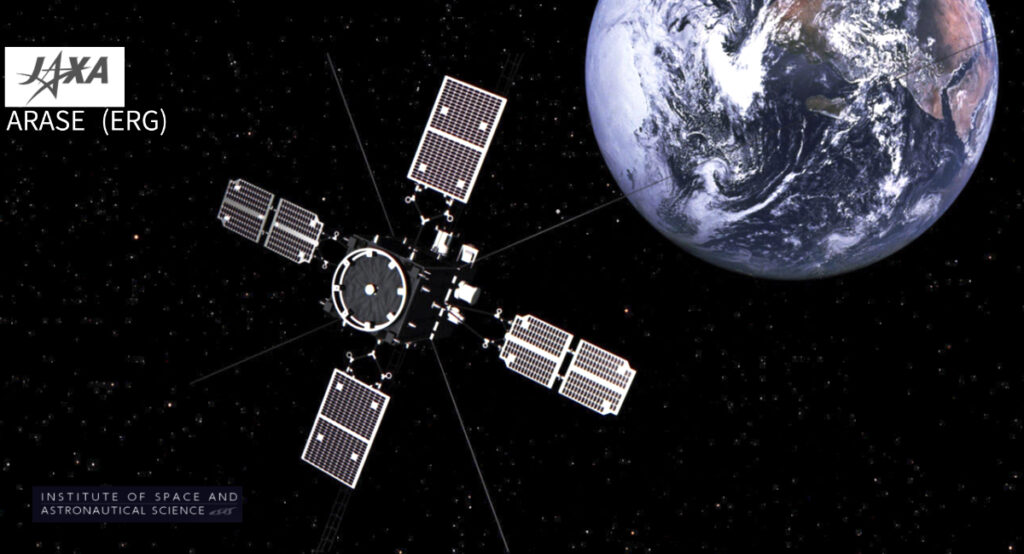
Using the perfectly positioned Arase satellite, researchers watched the plasmasphere shrink to a fraction of its usual size and take days to recover—far longer than expected. The storm’s effects stretched from breathtaking low-latitude auroras to disruptions in satellites, GPS, and communications.
Geomagnetic Superstorms and the 2024 Mother’s Day Event
A geomagnetic superstorm is one of the most powerful forms of space weather and happens when the Sun blasts Earth with huge bursts of energy and streams of charged particles. Events of this magnitude are uncommon, appearing only about once every 20-25 years.
On May 10-11, 2024, Earth experienced its most intense superstorm in more than two decades, a blast known as the Gannon storm or Mother’s Day storm.
A research team led by Dr. Atsuki Shinbori of Nagoya University’s Institute for Space-Earth Environmental Research collected direct data from this rare event, offering the first clear, detailed look at how a superstorm compresses Earth’s plasmasphere (a region of charged particles that surrounds the planet).
The study, published in Earth, Planets and Space, reveals how both the plasmasphere and ionosphere respond during extreme solar activity and provides new insight that may improve predictions for satellite disruptions, GPS problems, and communication outages during severe space weather.
To read the remainder of this informative article, please access this SciTechDaily direct infolink…
