

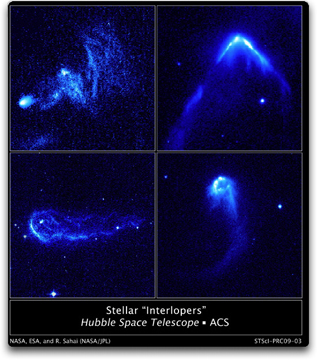
 Just as the aftermath of the elections in the U.S. start to quiet down, NASA is giving everyone the opportunity to use the infamous Hubble Space Telescope to explore the heavens and boldly look where no one has ever looked before. Yes, NASA is inviting the public to vote for one of six candidate astronomical objects for Hubble to observe in honor of the International Year of Astronomy. The options, which Hubble has not
previously photographed, range from far-flung galaxies to dying stars (not the Hollywood ones). Votes can be cast until March 1. Hubble’s camera will make a high resolution image revealing new details about the object that
receives the most votes. The image will be released during the International Year of Astronomy’s “100 Hours of Astronomy” from April 2 to 5.
Just as the aftermath of the elections in the U.S. start to quiet down, NASA is giving everyone the opportunity to use the infamous Hubble Space Telescope to explore the heavens and boldly look where no one has ever looked before. Yes, NASA is inviting the public to vote for one of six candidate astronomical objects for Hubble to observe in honor of the International Year of Astronomy. The options, which Hubble has not
previously photographed, range from far-flung galaxies to dying stars (not the Hollywood ones). Votes can be cast until March 1. Hubble’s camera will make a high resolution image revealing new details about the object that
receives the most votes. The image will be released during the International Year of Astronomy’s “100 Hours of Astronomy” from April 2 to 5.
Space enthusiasts can cast their vote at: https://YouDecide.Hubblesite.org (sound familiar?) Everyone who votes also will be entered into a random drawing to receive one of 100 copies of the Hubble photograph made of the winning celestial body.
NASA also invites teachers and students to participate in an accompanying Hubble Space Telescope classroom collage activity that integrates art, science and language arts. Students in participating classes will select their favorite Hubble images and assemble them in a collage. Students in each class also will choose their favorite object from the image voting contest and write essays about why they made their selections.
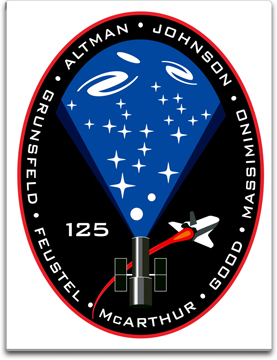 The Hubble Space Telescope, launched in 1990, was designed so that it
can be repaired in space by astronauts. The next servicing mission to
the telescope is targeted to launch on space shuttle Atlantis May 12,
2009. Mission objectives include extending Hubble’s operational life
by five years, repairing its out-of-commission instruments and
enhancing its scientific power. To do so, astronauts will replace
gyroscopes and batteries on the telescope, repair the Space Telescope
Imaging Spectrograph and the Advanced Camera for Surveys and install
two new instruments: the Wide Field Camera 3 and the Cosmic Origins
Spectrograph. For more information about the servicing mission, visit.
The Hubble Space Telescope, launched in 1990, was designed so that it
can be repaired in space by astronauts. The next servicing mission to
the telescope is targeted to launch on space shuttle Atlantis May 12,
2009. Mission objectives include extending Hubble’s operational life
by five years, repairing its out-of-commission instruments and
enhancing its scientific power. To do so, astronauts will replace
gyroscopes and batteries on the telescope, repair the Space Telescope
Imaging Spectrograph and the Advanced Camera for Surveys and install
two new instruments: the Wide Field Camera 3 and the Cosmic Origins
Spectrograph. For more information about the servicing mission, visit.
