

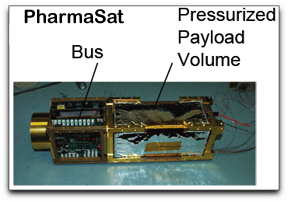
 The mission provides an opportunity to demonstrate NASA-developed spaceflight technologies and the Ames-developed modular approach to constructing the PharmaSat Risk Evaluation (or PRESat) and NanoSail-D satellites. This same approach was used successfully on a previous mission, GeneSat, and will be used for the upcoming PharmaSat mission, scheduled to launch later this year. After successfully entering a low Earth orbit, PRESat will create a stable, space science laboratory using innovative environment control and biological detection techniques. NanoSail-D will deploy an ultra-thin, highly reflective solar sail for the first time in history, and validate cutting-edge, propellant-less space propulsion technologies.
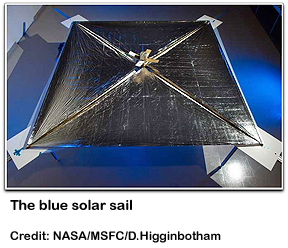 The PRESat micro-laboratory is a controlled environment with sensors and optical systems that can detect the growth, density and health of yeast cells. PRESat will also monitor the levels of pressure, temperature, and acceleration. This data will be relayed in real-time to mission managers and engineers for further analysis. Packed inside the NanoSail-D satellite is a 100 square foot sail, made of ultra-thin, light gossamer fabric, coated with a layer of aluminum to enhance its thrust-producing properties. The reflective sails are designed to intercept the constantly streaming solar energy and change the orbit of the spacecraft. If the deployment is successful, the mission team will be able to pick up slight changes in NanoSail’s orbit due to solar pressure and aerodynamic drag a few days into the mission.

