

TUKWILA, Wash. — In-space servicing developer Starfish Space confirmed on Tuesday, Nov. 3, 2026, that its first Otter servicing spacecraft has suffered an unrecoverable on-orbit failure after ground teams permanently lost contact with the vehicle.
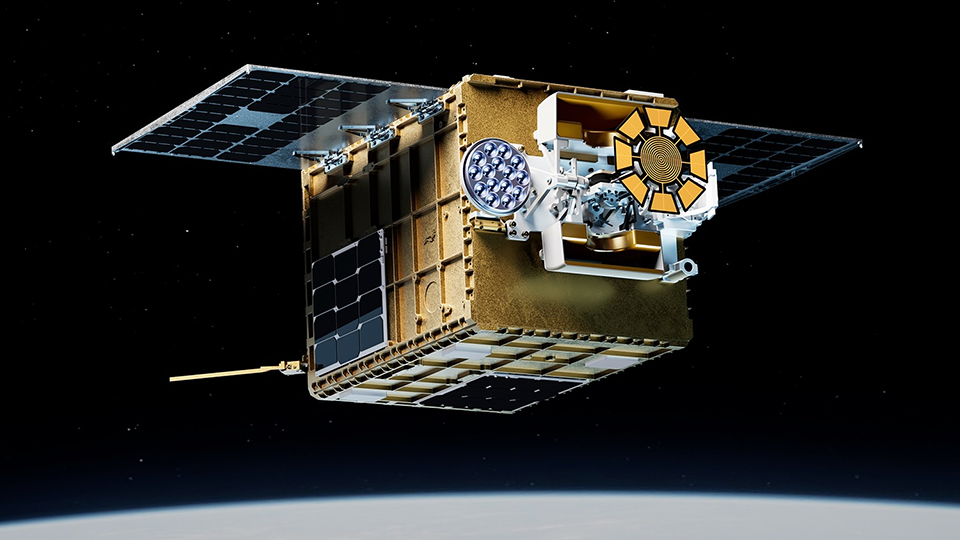
Launched on Oct. 1 on a commercial rideshare mission, the spacecraft was slated to execute orbital rendezvous and proximity operations under NASA’s Small Spacecraft Propulsion and Inspection Capability (SSPICY) demonstration.
NASA SSPICY Inspection Mission Objectives
Under the SSPICY mission framework, the Otter satellite was tasked with validating low-cost inspection, rendezvous, and proximity maneuvers in low Earth orbit. The flight plan called for the satellite to approach multiple resident space objects and evaluate relative navigation algorithms, with the secondary objective of potentially conducting a docking demonstration with a target object. The initiative was structured to demonstrate satellite servicing technologies that could extend the operational lifespan of civil and commercial orbital assets.
Bus Fault Protection System and Communications Anomaly
Following an internal anomaly investigation, Starfish Space determined that a failure within the spacecraft bus fault protection system caused the loss of mission. The onboard autonomous protection logic inadvertently shut down the primary radio transceiver and subsequently prevented the system from re-establishing two-way communications with ground control stations. Because the spacecraft cannot receive command uplinks or transmit telemetry, mission controllers declared the vehicle non-recoverable.
Bus Architecture Corrections and Production Roadmap
Starfish Space is collaborating with satellite bus manufacturer Astro Digital to address the software and hardware protection logic that caused the radio lockout. The engineering teams are implementing corrective modifications across several additional Otter servicing vehicles currently undergoing assembly and integration. The company plans to apply the findings to its active manufacturing pipeline to ensure subsequent flight units avoid the autonomous subsystem shutdown encountered during the initial demonstration.
