

OTTAWA, Ontario — Telesat has delayed the commercial rollout of its Lightspeed low Earth orbit (LEO) satellite constellation by three months, targeting full global service by the end of the second quarter of 2028.
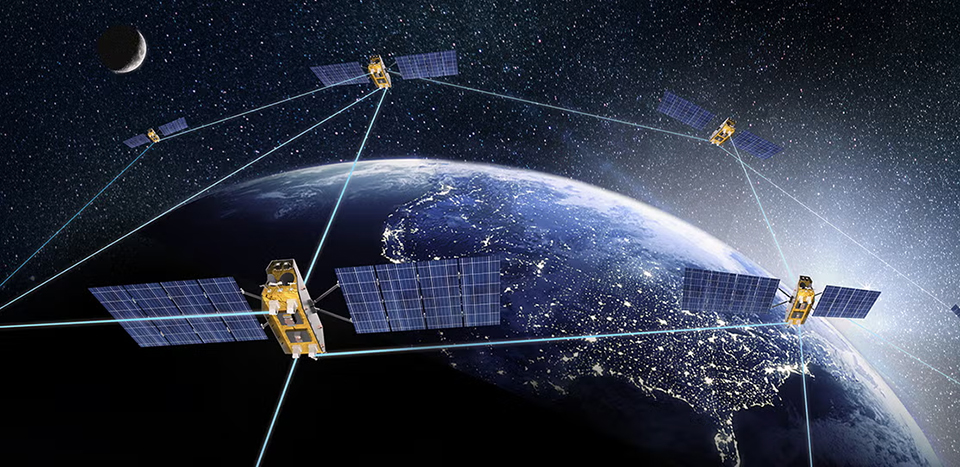
In an earnings call on Thursday, Oct. 29, 2026, the Canadian satellite operator announced that assembly and software development challenges at prime contractor MDA Space have pushed back the deployment of the network’s first two pathfinder satellites.
Sovereign Demand and Launch Market Strategy
Telesat Chief Executive Officer Dan Goldberg explained that the company chose to preserve launch resources rather than expend a full rocket on pathfinders. Amid an increasingly constrained commercial launch market, Telesat opted against dedicating an entire Falcon 9 vehicle to carry just two test satellites. Goldberg emphasized that geopolitical tensions and recent Starlink operational disruptions in Ukraine have accelerated customer interest in secure, enterprise-grade sovereign orbital communications, reinforcing demand for the low-latency network.
Pathfinder Reconfiguration and Launch Manifest
Under the revised deployment profile, prime contractor MDA Space—which is building the 225-satellite Lightspeed constellation—will complete assembly and software integration ahead of a rescheduled June 2027 launch on a SpaceX rideshare flight. The two pathfinders had originally been scheduled to fly in December. Once in orbit, the pathfinder satellites will undergo a 60-day in-orbit test campaign to validate subsystem operations before full-scale deployment starts.
Deployment Schedule to Full Global Operations
Following the initial test phase, dedicated deployment missions will begin in September 2027. Telesat currently has 14 dedicated Falcon 9 launches under contract with SpaceX and plans to procure a 15th mission to deliver the full fleet. According to projections by Space Intel Report, executing 15 Falcon 9 launches over a 45-week span could enable initial commercial service as early as March 2028. Telesat requires approximately 96 satellites in orbit to deliver baseline global coverage, with all 225 spacecraft projected to enter operational service by the end of 2028.
