

WASHINGTON — March 12, 2026 — The Federal Aviation Administration (FAA) has officially withdrawn a high-stakes proposal that would have required commercial launch providers to remove rocket upper stages from Earth’s orbit within 25 years.
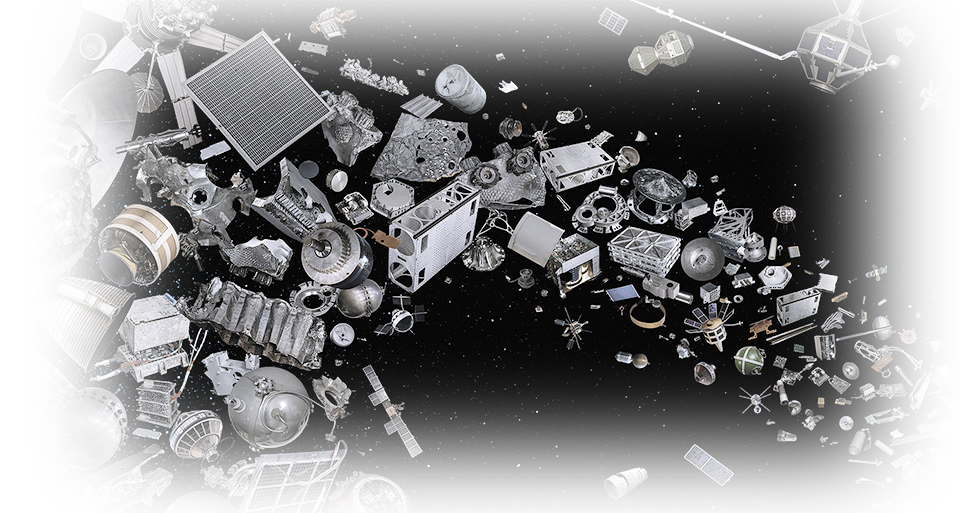
The decision, detailed in a ProPublica investigation released today, represents a significant victory for major industry players like SpaceX and United Launch Alliance (ULA) while drawing sharp criticism from space sustainability advocates who warn of a growing “Kessler syndrome” risk.
Background: The Rise and Fall of the Debris Mandate
The withdrawn Notice of Proposed Rulemaking (NPRM), originally titled “Mitigation Methods for Launch Vehicle Upper Stages on the Creation of Orbital Debris,” was first introduced in September 2023. It aimed to align commercial standards with NASA and international guidelines by mandating the disposal of spent rocket bodies through atmospheric reentry or maneuver to a “graveyard” orbit.
However, the FAA formally withdrew the action on January 15, 2026. The agency cited the need for “further study” regarding the economic impact on the launch industry and a reevaluation of its legal authority to enforce such environmental standards in space.
Market Rationale and Safety Divergence
The regulatory rollback comes at a moment of extreme tension between space operations and commercial aviation. While the FAA has eased debris disposal requirements for companies, it simultaneously issued Safety Alert for Operators (SAFO) 26001 in early January 2026. This alert warns airline pilots of the “potential extreme safety risk” posed by falling space debris, particularly following recent SpaceX Starship mishaps in January and March 2026.
Industry giants led the opposition to the rule. SpaceX specifically argued that the FAA “grossly underestimates the costs and impacts” of the mandate while overstating the safety benefits. Critics of the withdrawal, however, point to the fact that U.S. rocket companies have abandoned 41 upper stages in orbit over the last three years—33 of which remain as potential collision hazards.
Executive Perspective
“The FAA has determined that this regulatory course of action requires further study,” an agency spokesperson stated regarding the withdrawal. “The agency intends to review FAA’s authority as it relates to further regulating orbital debris mitigation and review the space launch industry cost inputs.“
Operational Impact on Flight Systems
The withdrawal effectively maintains the status quo for current launch architectures, specifically impacting:
- SpaceX Falcon 9/Starship: Relieved of mandatory deorbit burn requirements for all mission profiles, preserving fuel margins for payload delivery or recovery attempts.
- ULA Vulcan Centaur: Allowed to continue high-energy deployments without the immediate necessity of dedicated disposal hardware for upper stages.
- Aviation Mitigation: Responsibility for safety has shifted toward the aviation sector, with pilots now required to monitor Debris Response Areas (DRAs) and carry extra fuel for potential rerouting due to space-related anomalies.
Regulatory Outlook and Legal Challenges
The path forward remains uncertain as the FAA transitions all launch and reentry licenses to the more flexible “Part 450” framework by March 10, 2026. While the agency maintains that the withdrawal does not preclude future rulemaking, the current administration’s focus on “lethality” and “aggression” in national security, combined with a reorganization of the Department of Transportation’s priorities, suggests a long-term shift toward industry self-regulation.
Legal experts anticipate potential challenges from international bodies or environmental groups, citing the “Authorization and Supervision of Novel Private Sector Space Activities Act” as a potential vehicle for future oversight. For now, the “Post-Capacity Era” of space will proceed with fewer constraints on how companies manage their orbital waste.
