

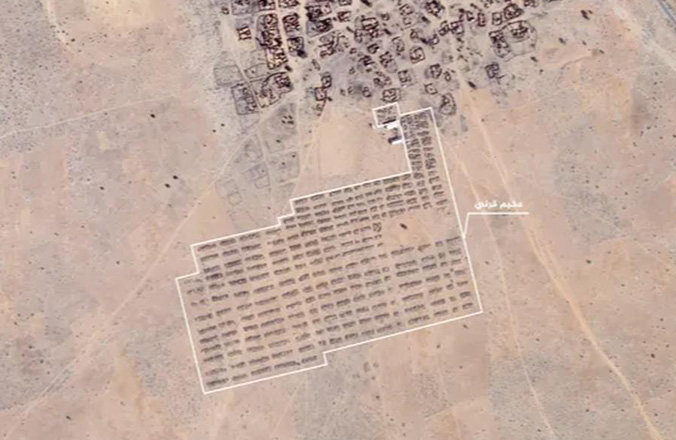
In a report released Wednesday, December 31, 2025, analysis of Planet Labs PBC high-resolution satellite imagery revealed the dramatic growth of two displacement camps in Sudan’s North Darfur and Northern states. The data, processed by Al Jazeera’s “Sanad” digital investigations unit, tracks the humanitarian fallout following the fall of El Fasher to the Rapid Support Forces (RSF) in late October 2025.
Mapping the Humanitarian Footprint in Qarni and Al Affad
The imagery analysis focused on two primary sites: the Qarni camp, located northwest of El Fasher, and the Al Affad camp in Sudan’s Northern State. In Qarni, satellite captures from December 14 showed the camp covering 186,000 square meters; however, by December 29, the site expanded by an additional 13,000 square meters to reach a total of 199,000 square meters.
Approximately 700 kilometers to the north, the Al Affad camp, situated east of Al Debba, demonstrated even more aggressive growth. Initially estimated at 130,000 square meters on November 19, the camp surged to over 500,000 square meters by year-end. This nearly fourfold increase aligns with United Nations estimates that approximately 100,000 residents have fled the El Fasher region since the RSF takeover.
Earth Observation Capabilities and Persistent Monitoring
The monitoring utilized Planet’s PlanetScope constellation, which provides a daily scan of the Earth’s landmass. These smallsat fleets allow for near-real-time change detection in conflict zones where ground access is restricted or dangerous. The recent addition of Pelican-class satellites to the fleet has further enhanced the resolution available for such humanitarian assessments, providing sub-meter clarity to distinguish temporary shelters and makeshift infrastructure.
Humanitarian Trajectory into 2026
As the conflict enters its third year, the International Organization for Migration (IOM) and other agencies are leveraging this remote sensing data to coordinate the 2026 Sudan Crisis Response Plan. With nearly 11 million people internally displaced as of early 2026, satellite-derived metrics remain the primary tool for quantifying needs in RSF-controlled territories where traditional communications have been severed.
