

On Sept. 16, 2026, Italian launch vehicle manufacturer Avio confirmed a significant influx of commercial satellite operators seeking launch slots after SpaceX suspended new commercial launch reservations for its Falcon 9 rocket.
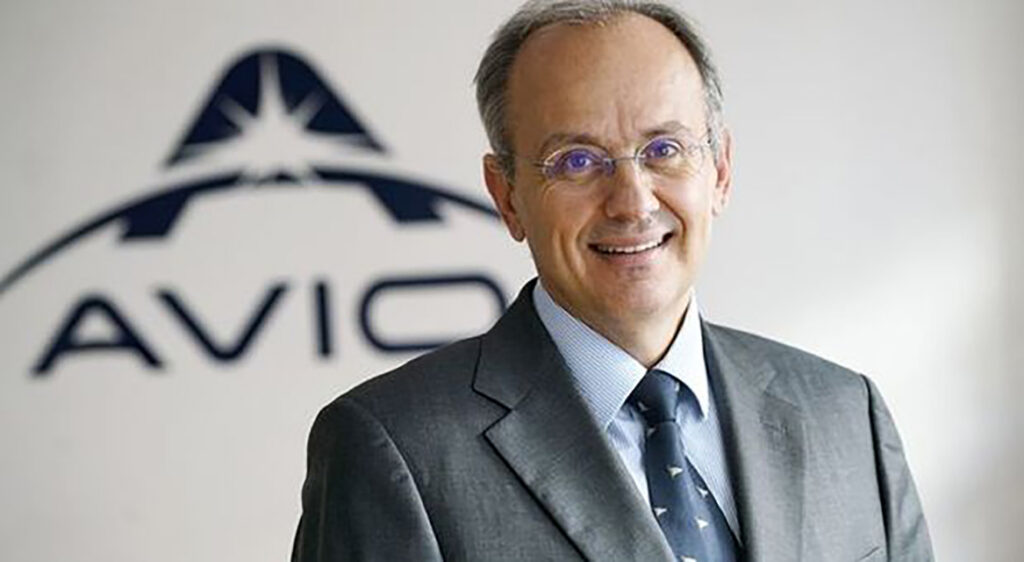
Speaking at an executive symposium, Avio Chief Executive Officer Giulio Ranzo highlighted that the sudden restriction on Falcon 9 manifest availability is driving global payload operators toward alternative European, Asian, and non-SpaceX launch providers.
Commercial Launch Bottlenecks and Manifest Saturation
The suspension of commercial Falcon 9 reservations follows heavy manifest prioritization for internal SpaceX projects, including Starlink constellation deployments, as well as high-priority U.S. Space Force national security space launches and NASA crewed missions. With SpaceX’s launch cadence heavily dedicated to captive demand and long-term defense commitments, commercial satellite developers face extended delay timelines for dedicated LEO and GEO insertion flights.
The resulting manifest pinch point highlights a growing heavy-lift launch gap within the global space launch market. For over five years, SpaceX absorbed the majority of Western commercial launch demand due to competitive pricing and high launch frequency. However, as available Falcon 9 capacity contracts, satellite constellations nearing completion must secure alternative flight opportunities to meet regulatory operational deadlines and orbital deployment windows set by the International Telecommunication Union.
Competitive Reshaping and Regional Provider Opportunities
The closure of SpaceX’s commercial reservation book has altered pricing dynamics across the space launch sector. Satellite operators accustomed to standardized Falcon 9 rideshare rates are confronting rising launch costs across remaining commercial providers. This shift has enhanced the commercial position of regional rocket builders, including Avio, Arianespace, and Rocket Lab, as well as emerging heavy-lift operators scaling production.
To absorb diverted commercial demand, Avio is expanding production at its Colleferro assembly facilities in Italy to support higher flight rates for its Vega C light-to-medium vehicle while accelerating production planning for future propulsion platforms. Commercial operators turned away by SpaceX are actively evaluating dual-manifest options and secondary payload configurations aboard European vehicles to avoid schedule slippage.
Executive Perspective
“We are seeing an unprecedented volume of inquiries from commercial satellite operators who can no longer secure launch slots with SpaceX in the near to medium term,” said Giulio Ranzo, Chief Executive Officer of Avio. “The market requires diversified, reliable, and independent access to space. Our priority is scaling our manufacturing throughput and launch cadence to ensure European and international customers have the flight capacity necessary to deploy their orbital infrastructure.”
Commercial Launch Market Outlook
As commercial operators contend with restricted Falcon 9 availability and elevated launch pricing, contract awards are expected to spread across secondary vehicle providers through 2027. The broader launch industry will focus on scaling production timelines for new heavy-lift and medium-lift vehicles to alleviate systemic manifest constraints and restore pricing stability across the commercial launch market.
