

Voyager Technologies has officially announced an agreement to acquire Astrobotic Technology for approximately $300 million in a combination of cash and stock.
Solidifying a Full-Stack Lunar Infrastructure Strategy
This acquisition represents a massive consolidation within the commercial space sector, bringing the Pittsburgh-based lunar logistics pioneer under Voyager’s rapidly expanding corporate umbrella. Once the deal clears customary regulatory approvals—which is expected by early July 2026—Astrobotic’s existing “Moon Base” headquarters in Pennsylvania will transition into the central hub for Voyager’s broader strategic lunar operations.
Building a Comprehensive Surface Ecosystem
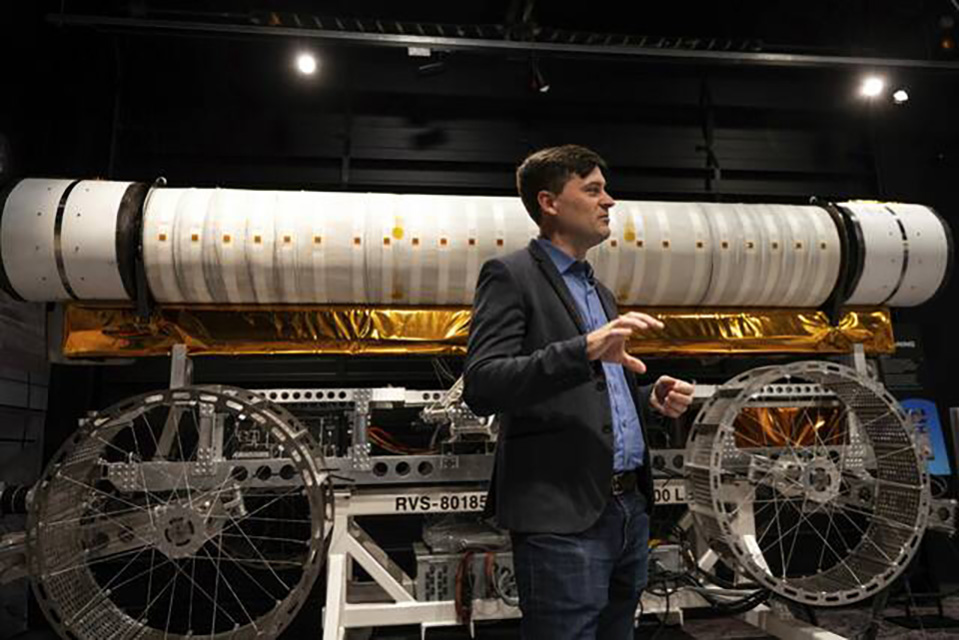
The acquisition fundamentally transforms Voyager into an end-to-end, “full-stack” lunar infrastructure provider, allowing the company to compete across nearly every logistical aspect of a deep-space mission. By acquiring Astrobotic, Voyager takes direct control of the company’s prominent Peregrine and Griffin surface lander programs, as well as its LunaGrid solar power distribution system.
When integrated with Voyager’s existing technology portfolio—which includes a recent strategic investment in Max Space’s expandable lunar habitats and proprietary dust-mitigation coatings—the combined company will be able to offer a comprehensive suite of commercial services. This spans everything from Earth-to-Moon transportation and surface delivery to long-term power generation and astronaut habitation.
Aligning with Artemis and the 2028 Mandate
This $300 million strategic move is designed to capture highly lucrative contracts under NASA’s Artemis program and the agency’s Commercial Lunar Payload Services (CLPS) initiative. Specifically, the acquisition heavily supports NASA Administrator Jared Isaacman’s aggressive push to establish a permanent American presence on the lunar surface by 2028.
Astrobotic’s Griffin Mission One, which was recently tapped to fly NASA’s “Moon Base II” mission, remains on schedule, immediately positioning Voyager as a primary architect in building out the foundational power and delivery infrastructure required to establish a sustained cislunar economy.
