

A recent documentary was officially released in October 2025 by the anti-vaccine organization ICAN alleged that their study had been suppressed. See here
The core of the controversy involves a specific set of methodological errors that independent biostatistician reviews—including detailed breakdowns published by public health experts—highlighted to explain why the study was rejected from peer-reviewed scientific journals.
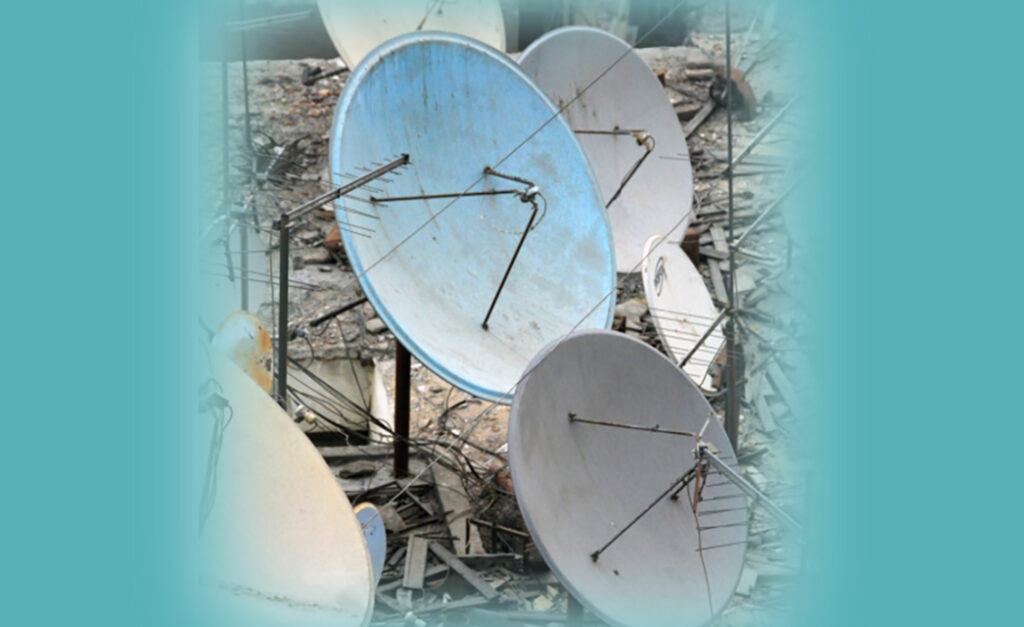
The intersection of satellite networks and ground-based carriers has grown more complex following the May 2026 announcement of a major satellite-to-phone joint venture between AT&T, T-Mobile, and Verizon to eliminate wireless dead zones. Despite this deep technical integration, satellite operators themselves generally do not dictate or influence the specific content filtering policies applied to end-user handsets.
The division of control between satellite operators and terrestrial carriers operates on distinct network layers:
- The Transport Layer: Satellite providers such as AST SpaceMobile or SpaceX function essentially as an orbital bit-pipe. They provide the raw radio-frequency links necessary to route data from a phone in a remote area down to a ground station teleport.
- The Core Network: Once the satellite downlinks the data to an earth station, the traffic is instantly handed off to the terrestrial carrier’s core routing infrastructure. It is within the carrier’s ground-based data centers where routing, domain name system (DNS) resolution, and security filters are applied.
Because satellite operators function at the physical transport layer under strict common-carrier principles, they do not possess the structural oversight to selectively filter domains or evaluate content accuracy. If a mobile provider’s ground network blocks a specific URL, that restriction will persist whether the consumer connects via a local cell tower or a satellite overhead. The responsibility for network filtering remains entirely with the ground-level network operator that holds the direct billing relationship with the consumer.
Private corporations, including telecommunications giants as mentioned, like Verizon, AT&T, and T-Mobile, are generally not bound by the First Amendment. As private entities, internet service providers (ISPs) maintain the legal right to enforce terms of service and manage network traffic. When an ISP blocks a domain or restricts a platform, courts generally view it as a corporate content moderation or network security decision rather than a violation of constitutional free speech.
