

Guangzhou, China — On Wednesday, September 30, 2026, Chinese commercial launch provider CAS Space rescheduled the maiden flight of its reusable Lihong-2 suborbital launch vehicle from late 2026 to early 2027.
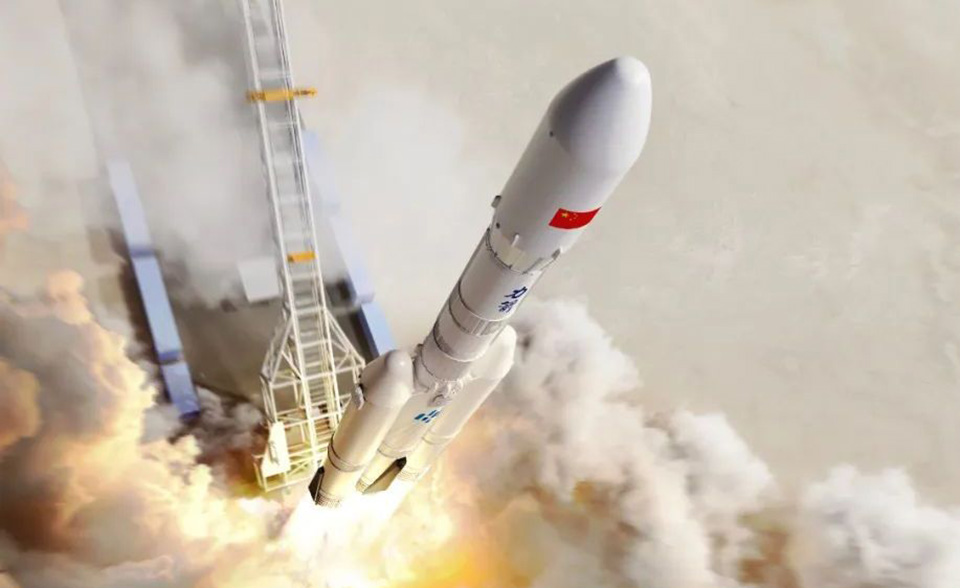
The initial demonstration mission will transport pharmaceutical research and life sciences payloads under a commercial services agreement with Guangzhou Laboratory.
Vehicle Architecture and Payload Parameters
The Lihong-2 rocket is a single-stage, reusable suborbital vehicle optimized for microgravity experiments, high-altitude research, and commercial biotechnology hardware testing. The vehicle features an autonomous vertical takeoff and vertical landing (VTVL) recovery sequence designed to return the main airframe and payload capsule to the launch pad post-flight.
- Maximum Payload Capacity: Up to 3,000 kilograms
- Target Altitude Ceiling: Above 100 kilometers (crossing the Karman Line)
- Microgravity Duration: Exceeding 180 seconds per mission profile
- Primary Launch Payload: Pharmaceutical experiments supplied by Guangzhou Laboratory
The upcoming early 2027 flight will validate payload environment stability, automated thermal management, and recovery dynamics required for high-throughput suborbital scientific testing.
Expansion of Electric-Pump Propulsion Development
In parallel with suborbital fleet developments, Chinese commercial aerospace companies are accelerating propulsion research for small and medium-class orbital launch vehicles. At least four domestic Chinese aerospace startups are currently developing multi-ton electric-pump-fed rocket engines.
By replacing heavy, mechanically complex gas-generator turbopumps with electric motor-driven propellant pumps, developers aim to lower engine manufacturing costs, simplify staging systems, and streamline throttled engine control loops required for precise VTVL rocket landings.
Operational Timeline to Initial Flight
Following full-scale static fire tests and land-based landing leg deployment verifications, CAS Space will finalize integration of Guangzhou Laboratory’s bio-pharmaceutical experiment modules at its Guangzhou assembly facility. The maiden suborbital launch of Lihong-2 remains targeted for the first quarter of 2027 from a domestic coastal test range.
