

As the global wearables market shifts away from a single-device focus toward a fragmented ecosystem of smart glasses and rings, satellite connectivity is emerging as the critical technology for maintaining persistent safety and utility.
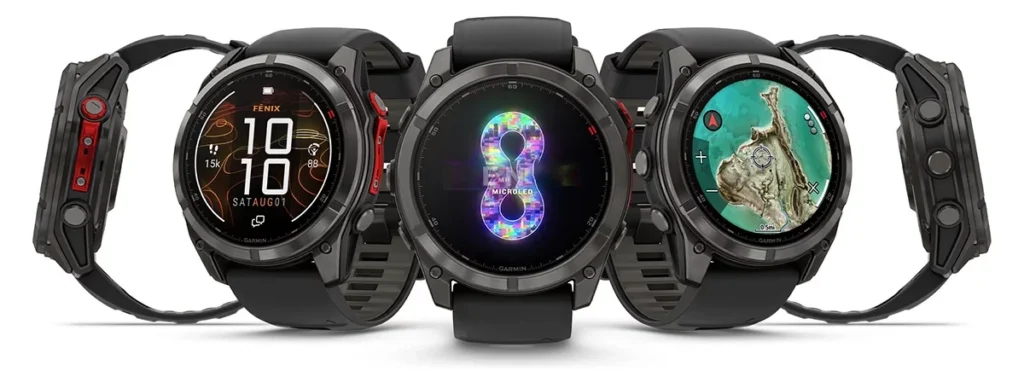
While Futuresource Consulting forecasts 229 million wearable shipments in 2026—a 5.1% year-on-year increase—the satellite industry is moving to solve the “terrestrial gap” that leaves these devices offline in remote areas. This convergence is transforming smartwatches from mere notification hubs into standalone, off-grid emergency and data tools.
The Rise of Direct-to-Device Wearables
The integration of non-terrestrial networks (NTN) into consumer hardware reached a turning point in early 2026. Skylo Technologies was named a CES 2026 Innovation Awards honoree for bringing two-way satellite emergency messaging to wearables. This follows the late 2025 release of the Google Pixel Watch 4 and the Garmin fēnix 8 Pro, both of which feature integrated satellite SOS capabilities.
Unlike previous generations that required a paired smartphone, these devices utilize Standards-Based NB-IoT over satellite to offer standalone safety features for hikers, offshore workers, and remote travelers.
Miniaturization and Module Specifications
A significant technical hurdle for “space-ready” wearables has been the size and power consumption of satellite modems. In February 2026, Iridium addressed this by unveiling the Iridium 9604, a compact three-in-one module that integrates Short Burst Data (SBD) satellite connectivity, LTE-M cellular, and GNSS into a single 16 mm x 26 mm x 2.4 mm platform.
By reducing board space by 60%, these modules allow manufacturers to embed global satellite coverage into smaller form factors like smart glasses without sacrificing battery life, which Futuresource identifies as a key growth area for 2026.
Strategic Market Outlook
The “spacey” shift in wearables reflects a broader industry trend toward ubiquitous connectivity. While activity trackers are projected to see an 8.9% drop in volume through 2030, high-end “Pro” and “Ultra” categories are gaining market share by offering “everywhere” connectivity.
Analysts suggest that as SpaceX’s Starlink Direct-to-Cell and Iridium’s NTN Direct services mature, satellite fallback will move from a premium safety feature to a standard consumer expectation. The long-term challenge for the sector remains the high cost of ongoing satellite subscriptions, though carriers like Deutsche Telekom are already working to bundle satellite roaming into standard IoT and consumer plans.
