

Air Inuit has selected SKYTRAC Systems Ltd.’s TrooTrax Mission flight following software to modernize its Operational Control Center (OCC) and meet evolving regulatory mandates. Announced Tuesday, April 28, in Yellowknife, the deployment covers Air Inuit’s entire fleet of 40 fixed-wing aircraft and helicopters.
The integration is designed to align the airline’s tracking capabilities with Global Aeronautical Distress Safety System (GADSS) recommendations established by the International Civil Aviation Organization (ICAO).
Dual-Source Tracking and Fleet Specifications
The implementation provides a dual-source tracking architecture that utilizes both Automatic Dependent Surveillance-Broadcast (ADS-B) position reporting and Iridium satellite tracking. This system ensures high-resolution visibility through one-minute ADS-B reporting and configurable Iridium flight following, providing essential redundancy for northern operations.
Alongside the software rollout, Air Inuit is performing a fleet-wide hardware upgrade to ISAT-200A satellite communication terminals. These terminals enable automated “out, off, on, and in” (OOOI) event reporting and provide immediate alerts in the event of onboard terminal failure or deactivation.
Operational Efficiency and Safety Mandates
“Maintaining clear visibility across our operations is essential, particularly in the regions we serve,” stated Stéphane Rousseau, Vice-President of IT at Air Inuit. “TrooTrax Mission will enhance how our OCC monitors and manages flights in real-time. The software’s ability to integrate flight plans, support dual-source tracking, and provide timely alerts gives our team greater insight into our operations while remaining cost-effective”.
Integration Timeline for Mixed-Fleet Reliability
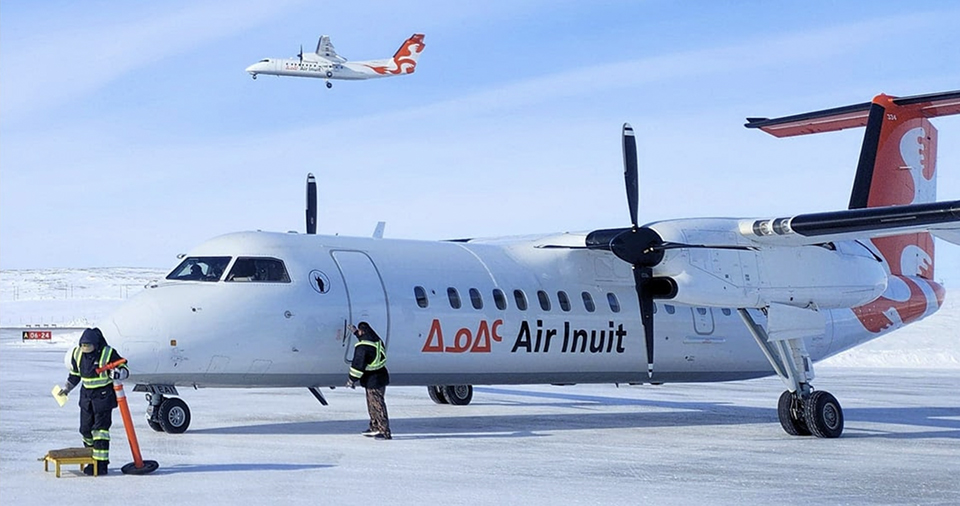
The modernization effort utilizes SKYTRAC’s existing Supplemental Type Certificates (STCs) to streamline the integration of the ISAT-200A systems across Air Inuit’s diverse inventory. This includes Boeing 737, Dash 8 (DHC8), Twin Otter (DHC6), and King Air B300 aircraft, as well as Bell 407 and AStar 350 helicopters. By standardizing avionics across these various platforms, the airline aims to simplify long-term maintenance and ensure the fleet is future-proofed against anticipated Canadian GADSS requirements.
