

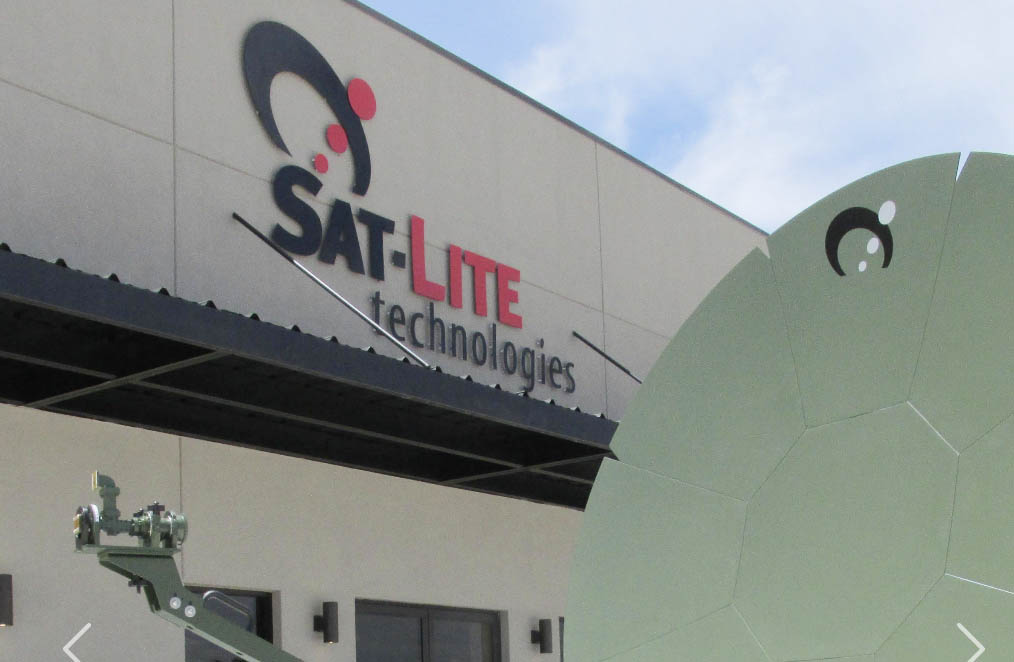
Texas-based antenna manufacturer Sat-Lite Technologies made the April 20 strategic hire to address surging demand within the satellite ground segment, specifically targeting new opportunities in multi-orbit communications and electronic warfare (EW).
Strategic Leadership for Ground Segment Growth
Rader joined the White Oak-headquartered company with over three decades of experience in the satellite sector. His career history includes executive and customer-facing roles at Radiation Systems SATCOM Technologies, Convergent Media Systems, and Oracle. At Sat-Lite, Rader is tasked with leveraging his background in both military and commercial sectors to expand the company’s footprint as satellite operators transition to proliferated low-Earth orbit (LEO) and medium-Earth orbit (MEO) architectures.
According to Darin Beakley, President of Sat-Lite Technologies, Rader’s deep-rooted industry relationships are considered a primary asset for the company as it scales its operations to support global manufacturers of satellite terminals and communication systems.
High-Performance Antenna and RF Portfolio
Sat-Lite Technologies specializes in configurable antenna systems designed for high-reliability environments. The company’s product line, which Rader now oversees from a sales perspective, includes:
- Flyaway Antennas: Rapid-deploy systems for mobile broadband and broadcast news.
- Vehicle-Mount / Driveaway: Systems engineered for quick assembly in disaster recovery or military field operations.
- Full-Motion LEO-MEO: High-performance apertures designed for precise tracking of non-geostationary (NGSO) constellations.
- RF Components: A comprehensive line of feed systems and components engineered for ruggedized defense applications.
Organizational Context and Market Position
Founded in 2006, Sat-Lite Technologies has maintained a focus on the “mid-tier” ground segment market, providing specialized hardware that bridges the gap between mass-produced consumer terminals and bespoke, large-scale gateway earth stations. The addition of Rader to the executive team signals a shift toward more aggressive participation in government and defense contracts, particularly those requiring customized frequency considerations and rapid deployment capabilities.
