

On Monday, July 20, 2026, British aerospace company Avealto announced the opening of a $50 million funding round. The capital injection is structured to finance the establishment of a new UK manufacturing facility, execute a full-scale prototype flight demonstration, and fund the deployment of its initial commercial network infrastructure within Southeast Asia.
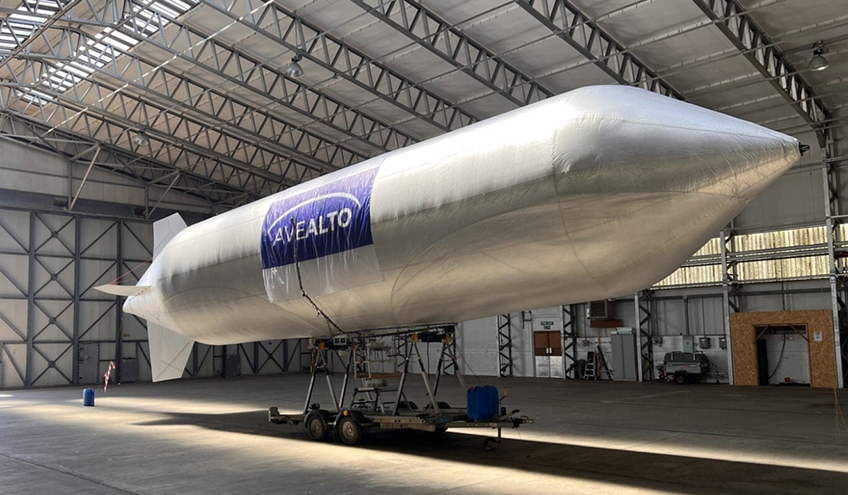
Stratospheric Vehicle Infrastructure and Technical Specifications
The high-altitude platform station (HAPS) architecture utilizes long-endurance aircraft to provide regional data routing without orbital overhead:
- Platform Class: Solar-powered uncrewed aircraft designed to maintain station at an altitude of 20 kilometers, placing them entirely above commercial air traffic corridors and standard weather systems.
- Coverage Footprint: Each individual stratospheric platform provides a continuous terrestrial coverage footprint of approximately 45,000 square kilometers.
- Operating Model: A strict wholesale-only network infrastructure architecture that routes capacity directly into existing terrestrial mobile networks rather than competing for retail consumer subscribers.
- Pricing Index: Engineered to deliver regional broadband capacity at approximately 80 percent below the standard wholesale cost of satellite capacity.
Industrial Footprint and Regional Partnerships
The capital raise addresses growing telecom operator demand for cost-effective alternatives to low-Earth orbit constellations. Avealto has secured a production facility site at Lydd Airport in Kent, a move projected to establish 40 to 50 advanced engineering positions. Commercially, the firm is advancing deployment negotiations with telecommunications operators in Malaysia, expanding upon an existing memorandum of understanding (MoU) signed with Indonesian network partners in 2023.
Wholesale Sustainability Priorities
The stratospheric architecture is positioned as a cleaner, more sustainable alternative to mass-produced orbital fleets.
“Satellite was never going to connect the next three billion people,” stated Walt Anderson, CEO of Avealto. “The economics don’t work at that price point, and they were never designed to. Our aircraft are solar-powered. There are no rocket launches, no debris left in orbit, and none of the particulates that satellites shed into the upper atmosphere when they burn up on re-entry every few years to keep a constellation running.”
Timeline to Flight Demonstration
The $50 million investment window is scheduled to close within the next 12 to 18 months. Following the scaling of initial assembly operations at the Kent site, Avealto plans to conduct a full-scale public prototype flight demonstration in Wales scheduled for September 2026.
