


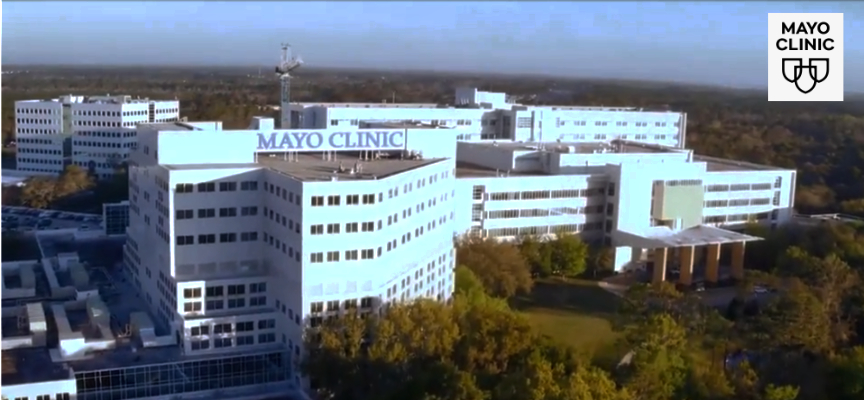
OPTAC-X has announced the company and Mayo Clinic are the first known collaboration to provide physician guidance to an EMS team using OPTAC-X’s hybrid LTE-global SATCOM telehealth technology to aid in a patient’s successful cardiac arrest resuscitation outside the ambulance and hospital.
The technology, which operates on LTE and accesses both LEO and GEO satellite systems, can enable physicians to connect to pre-hospital patients within the ambulance, outside the ambulance or anywhere at any time regardless of local wi-fi availability.
An academic article regarding a 65-year-old female patient was just published in “Mayo Clinic Proceedings: Digital Health,” a medical journal published by the Mayo Clinic. The article reports that the patient experienced an out-of-hospital cardiac arrest at her residence, about 4 miles from the Mayo Clinic’s emergency department. The patient’s family began chest compressions under the direction of the emergency medical dispatchers and continued CPR until first responders arrived. Upon arrival the EMS crew found the patient with no pulse and not breathing.
The EMS crew used OPTAC-X’s novel combination of technologies – a head-mounted camera using SATCOM in a patient’s home — to digitally bring an emergency medicine physician’s expertise to the crew and patient, providing real-time direction while the EMS crew resuscitated the patient.
A key element of OPTAC-X’s technology is Vantiq’s intelligent platform, which harnesses event-driven and real-time capabilities to furnish emergency services with continuous updates and alerts of a patient’s evolving condition. This predictive strategy has the potential to markedly augment intervention effectiveness, ultimately resulting in more lives saved.

The OPTAC-X telehealth system leverages its exclusive LTE and SATCOM services partner, Kymeta Corporation, a leading company for flat-panel antennas and communications-on-the-move (COTM) SATCOM, to deliver global LTE and SATCOM capability. Kymeta’s software-enabled, metamaterials-based electronically steered antenna (ESA) provides mobile satellite and cellular communications.
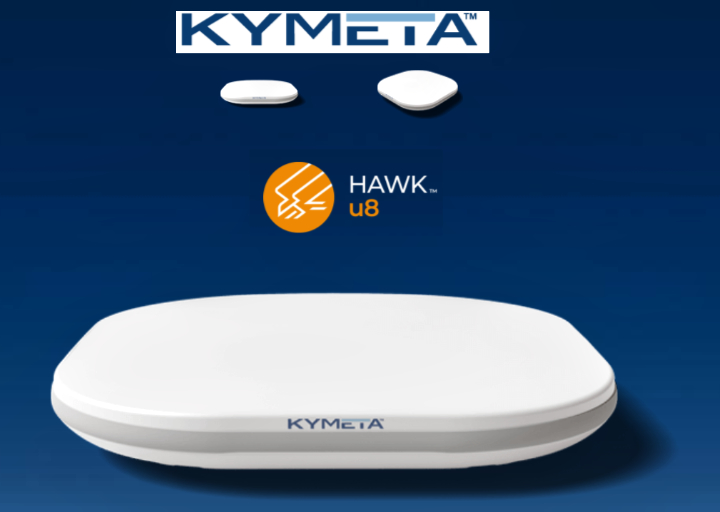
Backed by U.S. and international patents and licenses, the Kymeta Hawk™ u8 terminal for commercial EMS and Osprey™ u8 terminal, a rugged MILSPEC terminal for COTM, address the need for lightweight, low-profile, and high-throughput communication systems that do not require mechanical components to steer toward a satellite, whether it be COTM or communications on the pause (COTP).

Using OPTAC-X’s technology, emergency physicians can see and hear in real time what EMS personnel see and hear, including vital signs, as they treat patients before they arrive at the hospital. OPTAC-X has licensed its LTE-global SATCOM architecture and hands-free headsets to Mayo Clinic to enable its remote patient monitoring.
Vantiq enables advanced sensor intelligence on the edge as well as orchestrates the use of AI to create real-time situational awareness. This aims to empower more efficient crisis management, proactive resource allocation, and readiness for potential scenarios well in advance of a patient’s arrival at the facility.
“We are thrilled to partner with OPTAC-X and demonstrate how real-time technology on the edge can help save lives,” said Dr. Ryan Vega, chief health officer at Vantiq. “It’s thrilling to see in a pre-hospital environment how modern, real-time AI applications contributed to emergency response efforts to resuscitate the patient.”
“Helping deliver emergency medical services to this patient in a pre-hospital setting that resuscitated her is the kind of impact we hoped for when we developed OPTAC-X’s telehealth technology,” said Dr. Patrick Fullerton, founder and CEO of OPTAC-X. “The goal is that our technology can become part of every state and federal emergency agency’s standard operating procedure, including the department of defense, and thus contribute to saving many lives on a national and global level.“
