

On September 2, 2026, Munich-based space safety technology startup Project-S stepped into public view, announcing multi-million-euro seed funding to deploy an end-to-end orbital intelligence and space traffic management system.
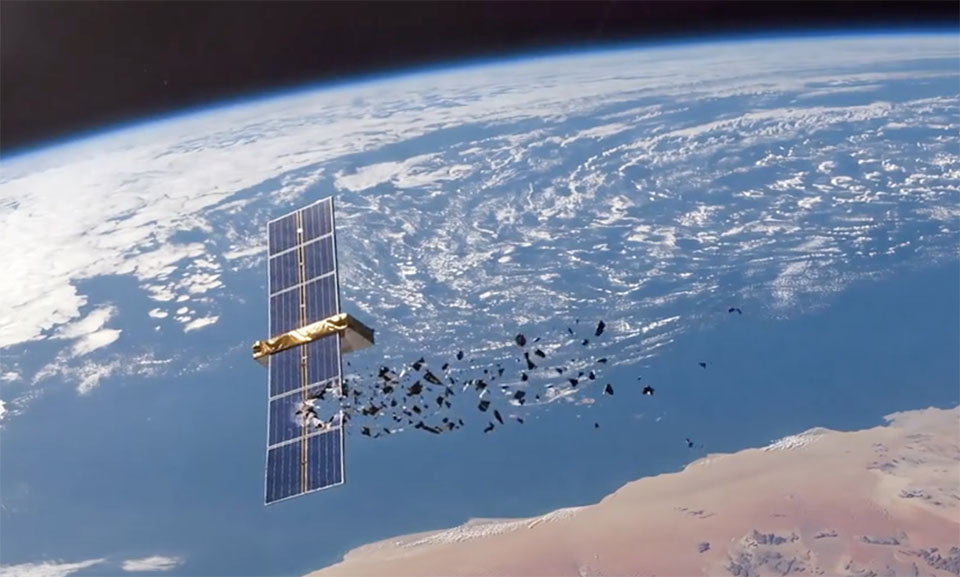
The company is developing space-based radar payloads, artificial intelligence analytics, and decision-support software designed to detect sub-centimeter space debris and support operational collision avoidance for satellite operators.
System Architecture and Technical Parameters
Project-S is engineering an integrated space situational awareness (SSA) architecture designed to monitor unclassified space debris threats in crowded Low Earth Orbit (LEO) environments. The technical framework combines hardware and software layers across four core operational domains:
- Space-Based Radar Payloads: Orbital radar sensors designed to detect and track small debris objects down to millimeter scale that bypass terrestrial optical and ground-based radar networks.
- AI-Enabled Orbital Intelligence: Automated data-processing algorithms that generate precise ephemeris predictions, conjunction risk assessments, and real-time orbital threat mapping.
- Decision Support Systems: Integrated command-and-control software providing automated collision-avoidance maneuver recommendations to commercial and government constellation operators.
- Remediation Integration: Long-term technology development aimed at deploying active debris removal (ADR) systems to capture or deorbit high-risk resident space objects.
Capital Structure and Institutional Backing
The company’s initial funding round was led by venture capital firm Uni.Fund II, alongside non-dilutive public grant funding from German federal innovation initiatives, Bavarian state tech funds, and European Space Agency (ESA) incubator programs.
The public launch places Project-S alongside Munich’s growing space safety cluster, which includes ESA-backed orbital traffic management provider Vyoma. The combination of private venture capital and European public innovation grants will fund initial payload ground testing, software integration, and pilot campaigns with commercial satellite operators.
Strategic Long-Term Outlook
Project-S will utilize the capital injection to expand its engineering team in Munich and advance prototype radar payloads toward orbital flight qualification. As satellite constellation deployments accelerate, the company aims to establish an operational space-based observation network that supplies high-cadence tracking data to international civil space agencies, defense entities, and commercial fleet managers.
