

On Sept. 22, 2026, NASA Administrator Jared Isaacman outlined core strategic priorities for civil spaceflight, emphasizing that agency efforts must prioritize achieving mission objectives safely, rapidly, and cost-effectively.
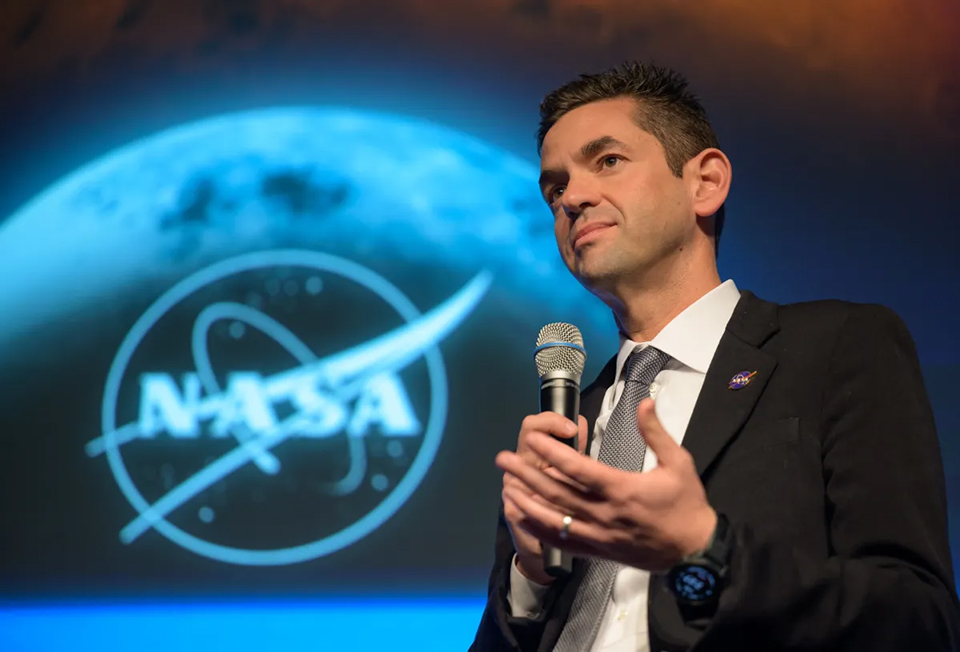
Addressing broader discussions on program delivery timelines, Isaacman reaffirmed NASA’s commitment to leveraging international partnerships across deep-space exploration, planetary science, and lunar surface operations.
Strategic Realignment and Institutional Context
The policy statement underscores an operational shift toward accelerated outcome delivery under Isaacman, who assumed leadership as NASA’s 15th Administrator in December 2025. Facing schedule pressures and budgetary constraints across major science and crewed exploration initiatives, the agency leadership has advocated for streamlined acquisition strategies and public-private operational models to prevent program delays.
While acknowledging the traditional administrative challenges of multi-agency coordination, Isaacman highlighted that structured international partnerships remain essential to sharing financial burdens, scaling technical capabilities, and accelerating key exploration milestones. The approach seeks to balance aggressive schedule targets with sustained bilateral cooperation across civil space agencies.
Program Portfolio and Bilateral Mission Integrations
NASA’s current deep-space architecture incorporates major contributions from international space agencies and commercial partners operating under the Artemis Accords framework:
The Artemis III mission, targeting humanity’s return to the lunar surface, relies on international contributions including the European Space Agency’s (ESA) European Service Module (ESM) for Orion spacecraft propulsion and power.
The Rosalind Franklin Rover, a joint initiative between ESA and NASA, will deploy to Mars to search for biosignatures, with NASA providing key propulsion, launch services, and radioisotope heater units.
Japan Aerospace Exploration Agency (JAXA) collaborations encompass the development of a habitable Pressurized Rover for long-duration crewed lunar surface mobility alongside the Martian Moons eXploration (MMX) mission targeting Phobos and Deimos sample returns.
Broad lunar base infrastructure development continues through formal Memoranda of Understanding (MOUs) and bilateral agreements with the Canadian Space Agency (CSA), ESA, JAXA, and dozens of signatory nations participating in the Artemis Accords.
These collaborative frameworks aim to pool industrial capacity, establish interoperable surface power and life-support standards, and distribute the capital requirements of permanent lunar base construction.
Executive Statement
“If we are hungry for exciting science and discovery, then all that should matter is achieving the mission objectives as quickly, safely, and affordably as possible,” stated NASA Administrator Jared Isaacman. “The alternative is that it takes longer, costs more, potentially gets canceled, but at least we struggled together. And to be clear, we have great international partners contributing to a range of exciting science and crewed missions, including Artemis III, Rosalind Franklin Rover, the JAXA Pressurized Rover and MMX, dozens of Artemis Accords partners contributing to our future on the Moon Base, and MOUs with CSA, ESA, and others on major lunar surface collaboration. These partnerships are being built to accelerate outcomes.”
Strategic Outlook and Acceleration Timeline
NASA will continue executing formal program reviews through late 2026 to streamline inter-agency integration protocols and lower administrative friction across shared planetary science and Artemis campaigns. By combining commercial procurement pathways with international agency contributions, NASA aims to protect baseline launch schedules for crewed lunar landings and Mars robotic missions through the end of the decade.
